Waterproof Cable Assembly: Ratings, Sealing Structures and Verification
A waterproof cable assembly is not defined by a material or a molding process. It is defined by a test result on a specific sample, at a stated pressure, temperature and duration, and it says nothing about what happens after 500 thermal cycles or two years of caustic washdown.
This page covers what the ingress codes certify, the four leak paths, how each sealing method trades cost against serviceability, how we build and verify, the sealed families we cover, and the parameters a drawing needs before a quotation means anything.
Where the codes come from
IEC 60529 defines the IP code that industrial data sheets cite. ISO 20653 is the road vehicle equivalent, source of the IPX9K washdown test and of codes such as IP6K9K. NEMA 250 and UL 50E use type numbers and fold corrosion and icing into the type, so cross references to IP are only approximate. Read the second numeral as a list of tests, not a ranking.
| Code | Test condition | What it proves | What it does not cover |
|---|---|---|---|
| IPX3 | Spray up to 60 degrees from vertical, 10 min | Light rain | Jets, immersion |
| IPX4 | Splashing from any direction, 10 min | Weather splash | Jets, immersion |
| IPX5 | 6.3 mm nozzle, 12.5 L/min near 30 kPa, 2.5 to 3 m, 3 min minimum | Hose jets | Hot wash, immersion |
| IPX6 | 12.5 mm nozzle, 100 L/min near 100 kPa, 2.5 to 3 m | Heavy seas, strong jets | High pressure wash, immersion |
| IPX7 | 30 min at 1 m depth, water within 5 K of part temperature | Temporary immersion | Jets (IPX5, IPX6), deeper immersion |
| IPX8 | Continuous immersion at maker-declared conditions, more severe than IPX7 | Only the declared depth and duration | Deeper or longer than declared |
| IPX9 (IPX9K in ISO 20653) | Water near 80 C, 14 to 16 L/min at 8 to 10 MPa, nozzle 100 to 150 mm away | High pressure hot washdown | Prolonged immersion, driving rain |
Two consequences catch buyers out. A part marked IPX7 or IPX8 alone is not required to survive water jets, so where rain and immersion both apply the drawing must call out a dual rating such as IP65 / IP67. And IP68 is a declaration, not a level: one maker qualifies it at 1.5 m for an hour, another at 3 m for 72 hours, and both print IP68. Our rugged IP68 military Ethernet cable ships with the condition on the drawing; IP67 vs IP68 vs IP69K lays out the boundaries.
The four leak paths
Sealing design closes four routes. Most field failures are a route nobody modeled.
- Across the connector interface. A radial O-ring or face seal compressed between shells fails when the elastomer is wrong for the fluid, when the ring is nicked in assembly, or when the coupling is under or over tightened.
- Through the cable-to-overmold bond. The most common failure in molded cordsets: if the resin does not fuse to the jacket, or shrinkage opens a void at the strain relief, water tracks into the back of the connector. That is why overmolding parameters and tooling gate position are specified together.
- Along the conductor bundle. Water reaching a cut does not stop there; capillary action carries it along strands for meters. Burial builds use gel filled cores, as in the Cat6A outdoor direct-burial cord, and low terminations get potted.
- Breathing and condensation. Air sealed near 80 C that cools to 20 C falls roughly 15 to 20 kPa below ambient, and that vacuum pulls moisture past any marginal seal. Trapped humid air also condenses below dew point, so a perfect housing can fill from within. Hydrophobic vent membranes equalize pressure without passing liquid water; where a vent is unacceptable, seal dry.
The jacket is not a barrier either: PVC and polyurethane absorb water and pass vapor, and ester based polyurethane hydrolyzes above about 60 C, which is why washdown cordsets use ether based or food grade compounds as in the M12 IP68 / IP69K food-grade cable.
Choosing a sealing method
Each method closes the same four paths at a different cost and with a different service model. Pick the one that fits the volume and the maintenance plan.
| Method | Practical IP ceiling | Unit cost | Field service | Dominant failure mode | Use it when |
|---|---|---|---|---|---|
| Overmolded body with integral strain relief | IP67 to IP68 | Low at volume, moderate tooling | Sealed for life | Knit lines, voids, weak bond to jacket | High volume cordsets |
| Radial O-ring or face seal on a threaded coupling | IP67 to IP69K with a metal nut | Low incremental | Fully reworkable | Wrong elastomer, nicked ring, wrong torque | M8 to M20 links replaced in service |
| Flat gasket under a panel mount | IP65 to IP68 | Low | Reworkable | Under compression, dished panel, seal set | Bulkhead feedthroughs |
| Potting or encapsulation | IP68; also blocks wicking | Moderate, adds cycle time | Not serviceable | Voids, cure shrinkage, poor adhesion | Vibrating transitions, low terminations |
| Adhesive lined heat shrink boot | About IP66 with good preparation | Very low | Cut off and reapply | Cold bond, no strain relief | Repairs, prototypes |
| Gel filled or water blocked core | Protects the cable, not the termination | Adds to cable cost | Not applicable | Gel migration, unblocked termination | Direct burial, vertical runs |
Three numbers decide whether the method survives assembly. Torque: published values sit near 0.4 to 0.8 N.m for M8 and 0.6 to 1.5 N.m for M12; below the band the seal is not compressed, above it the O-ring deforms. Compression: 20 to 30 percent of the free cross-section on a land flat to about 0.1 mm. Jacket diameter: molded strain relief grips by shrinkage, so hold the outside diameter to +/- 0.10 mm. All three go on the drawing. The panel mount connector guide covers the panel side.
The selection sequence
Work through these in order; skipping the first produces an assembly that passes the wrong test.
- Name the fluid, not just the water. Rain, seawater, cutting emulsion, caustic detergent at pH 12 to 14 and 60 to 80 C, diesel, steam. NBR handles oil but ages in hot water; EPDM handles caustics but swells in oil; FKM covers the widest range at the highest cost.
- Name the mechanical exposure. Static immersion, hose jet, washdown near 8 to 10 MPa, or splash, plus the water temperature.
- Dual rate if you need both. Immersion and jet tests are independent; write both codes.
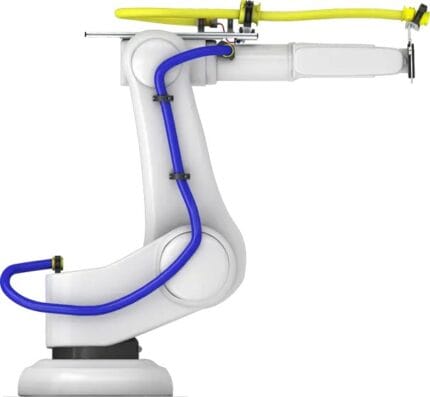
- Set the temperature and mechanical envelopes. Continuous conductor rating, peak transient, installation minimum, minimum bend radius, pull load at the connector, vibration, and whether the cable moves. If it moves, combine the seal design with a flex-rated build, as on our high-flex drag-chain page.
- Decide the service model. Sealed for life, or opened every quarter. Replaceable seals cost more per unit and save the cost of scrapping a harness.
Washdown lines usually end up with a stainless coupling nut, a food grade compound and IP69K, which is what the M12 IP69K washdown cable and the IP69K screw-lock cable are built around. Outdoor machinery sees rain, UV and a wide swing, which is where the IP67 M12 molded cable sits. On marine decks the feedthrough governs, not the plug: start from the IP68 deck feedthrough.
How we build and verify
Sealing geometry is cut into the mold, so tooling comes first: gate position, venting and cooling decide where voids form, and a void at the strain relief is a leak path that inspection misses. In overmolding, the resin must fuse to the jacket: polyurethane over polyurethane bonds, PVC over polyurethane does not. Crimps are qualified to IEC 60352 and verified on cross-section; the gold versus tin comparison covers plating.
The test plan is agreed before the first article, because a sealed assembly cannot be inspected into compliance afterward.
| Test | Typical condition | What it catches |
|---|---|---|
| Pressure decay leak test | 20 to 50 kPa, defined dwell, reject on a defined decay limit | Micro leaks, voids, cracked bonds |
| Immersion | Depth and duration per the drawing, water within 5 K of part temperature | Seal geometry errors |
| Spray rig | IPX5 or IPX6 nozzle, flow and distance per the standard | Jet paths immersion misses |
| Insulation resistance | 500 V DC, floor of 100 megohm | Moisture ingress, contamination |
| Thermal cycling | For example -40 C to +85 C for an agreed cycle count, then re-leak-test | Breathing, seal set, bond fatigue |
| Salt spray | ISO 9227 on metal shells, duration per the drawing | Coupling nut corrosion |
Note that immersion on a new sample does not replace cycling: the cycle plus re-leak-test separates a seal that holds from one that held once. More detail is on the testing and validation page.
What we build
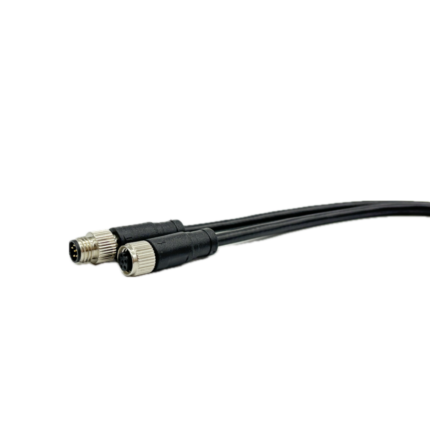
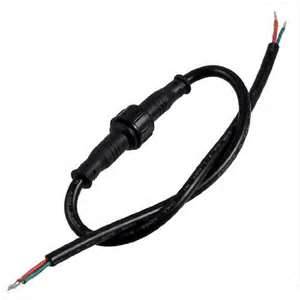
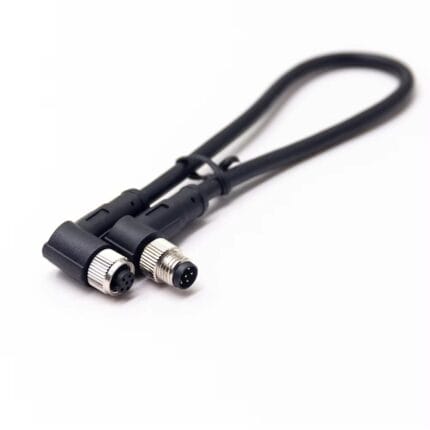
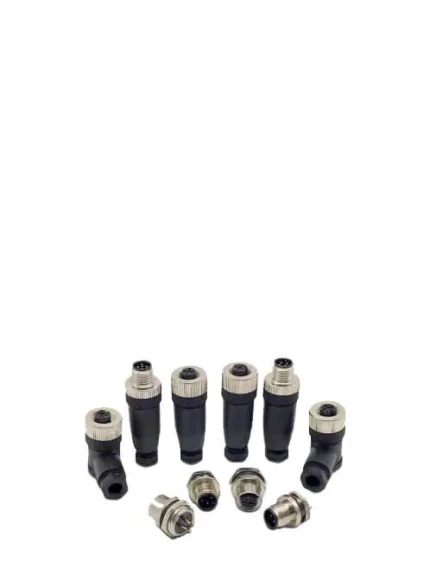
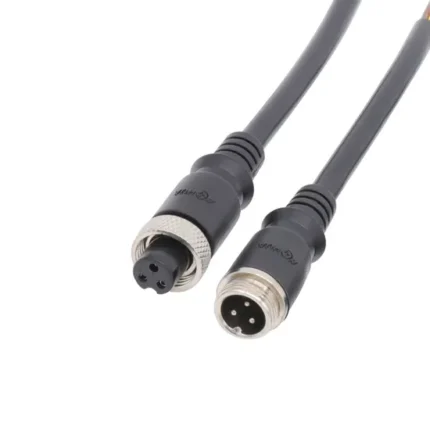
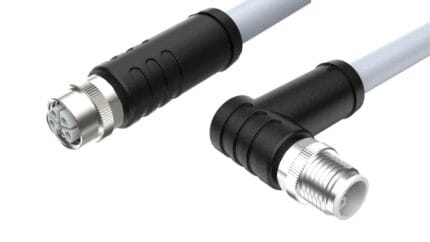
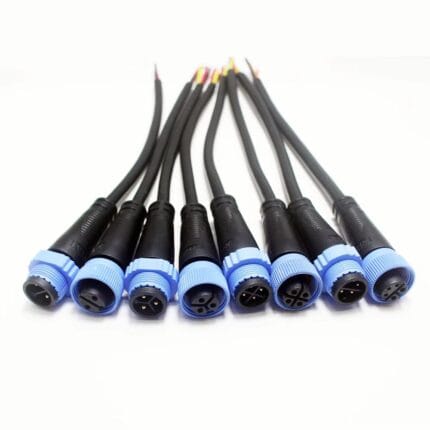
Circular M8 to M20. Sensor and actuator cordsets in A-code, power in the M12 T/L-code DC cable, hybrid power and signal in the M20 8-pin cordset, outdoor lighting in the M15 4-pin cable. The M12 coding guide maps codes to signals.
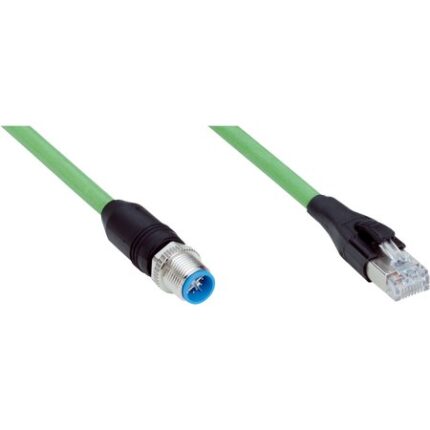
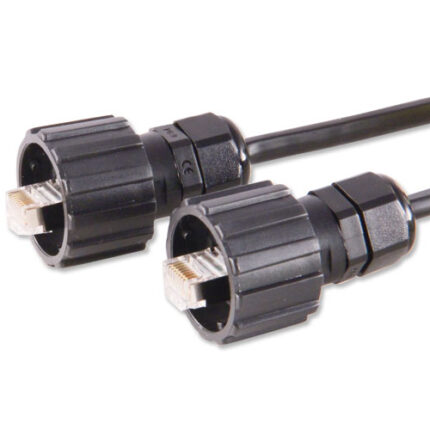
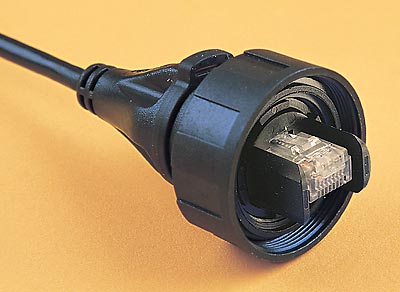
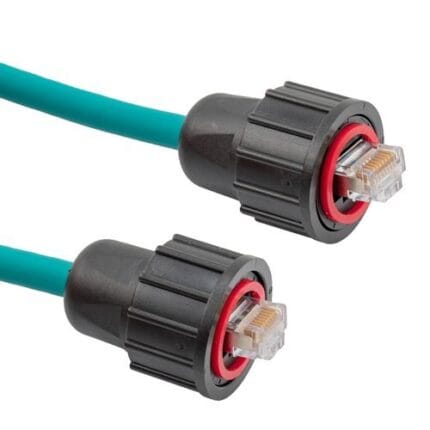
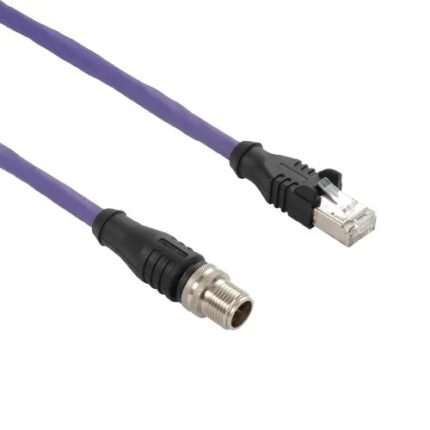
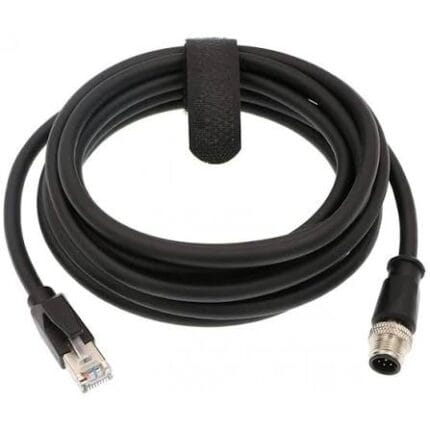
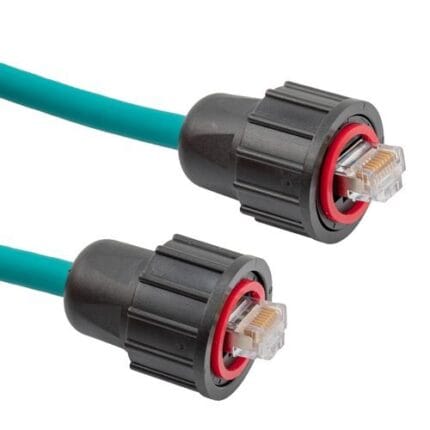
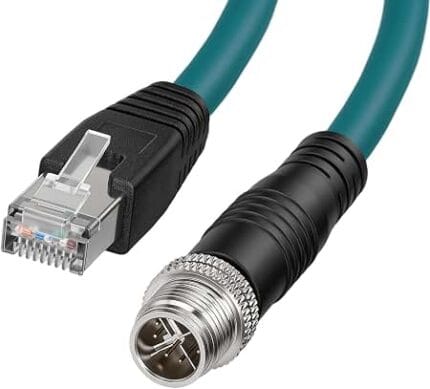
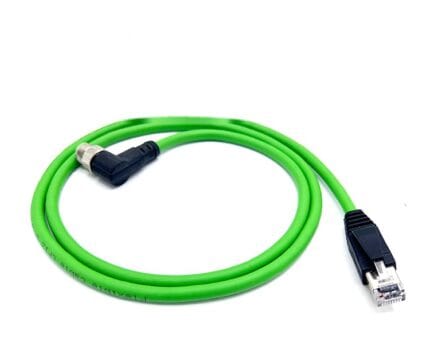
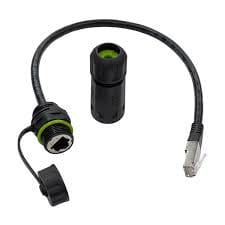
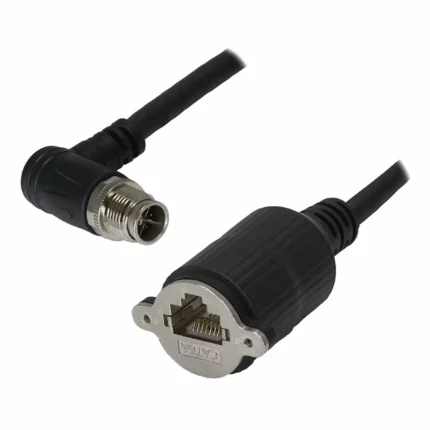
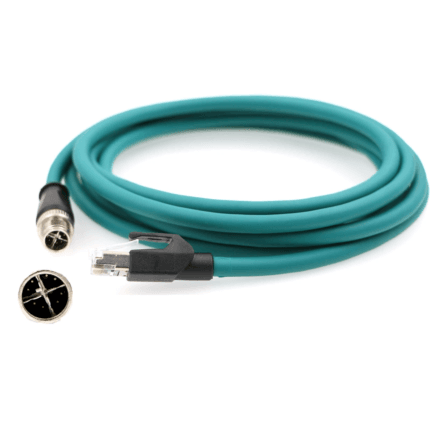
Industrial Ethernet. Shielded Cat5e to Cat6A at IP67 and IP68, RJ45 to RJ45, RJ45 to M12 X-code or pigtail: the Cat6 S/FTP IP67 patch cord, the Cat6A IP67 pigtail and the Cat6A IP69K washdown patch. RJ45 versus M12 X-coded covers which side belongs on the machine.
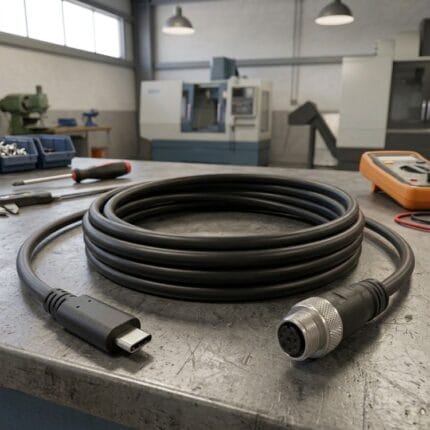
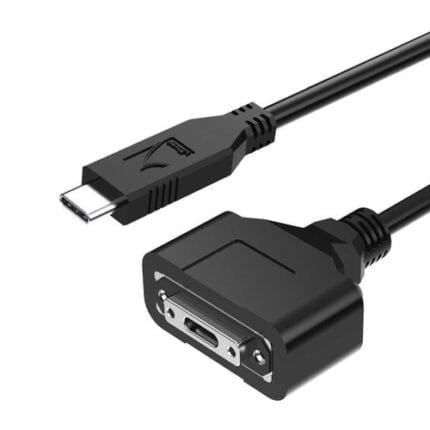
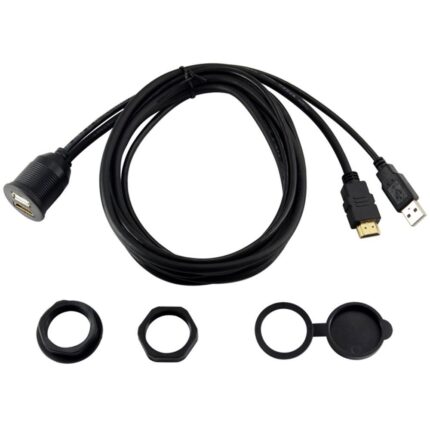
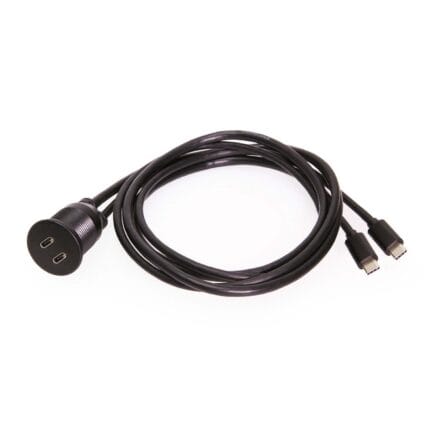
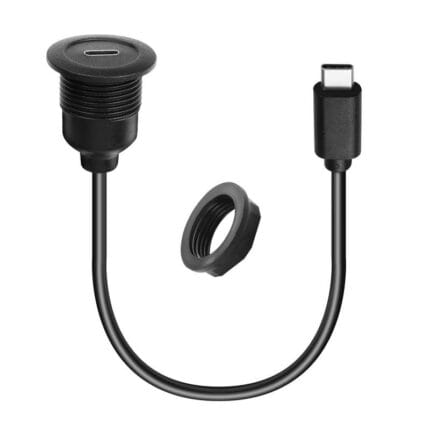
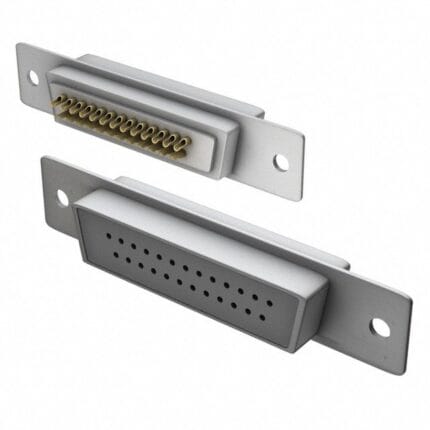
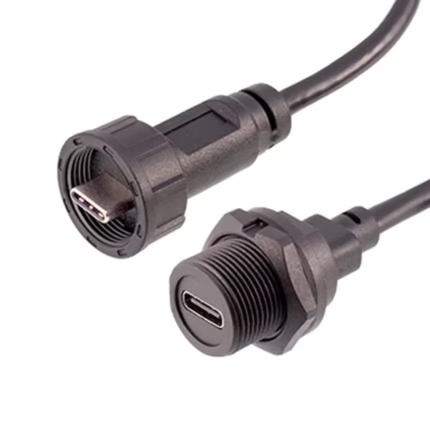
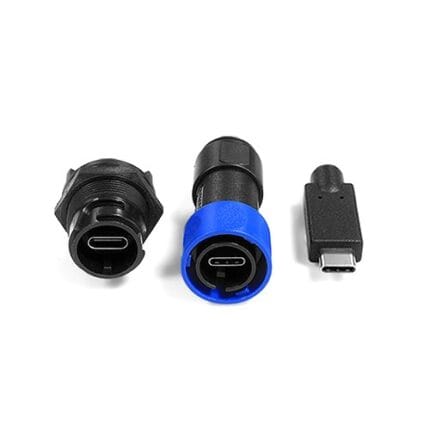
USB and general data. The IP67 USB-C screw cable at 20 Gbps, the USB-C bulkhead cable, the IP67 USB extension and the IP67 D-Sub screw cable.
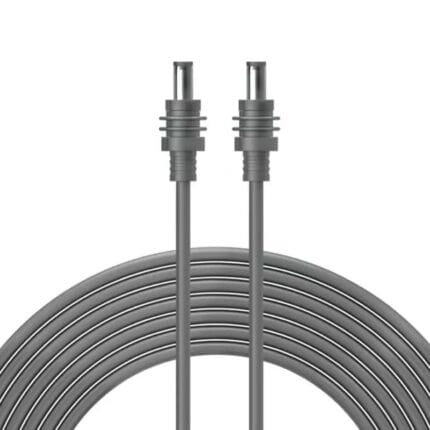
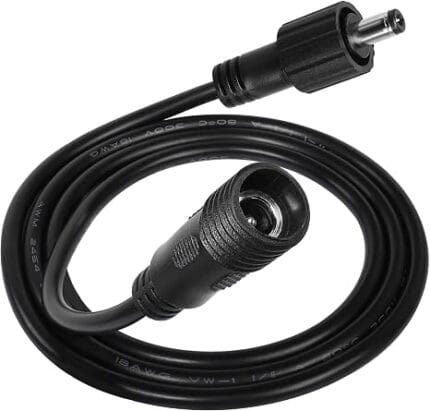
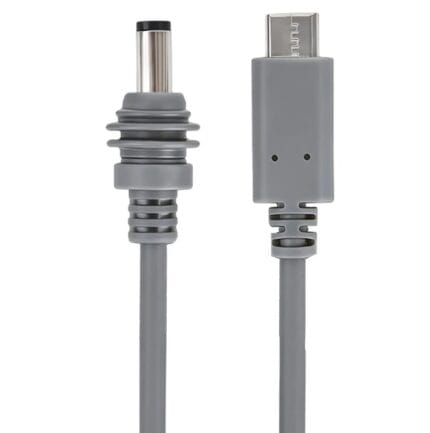
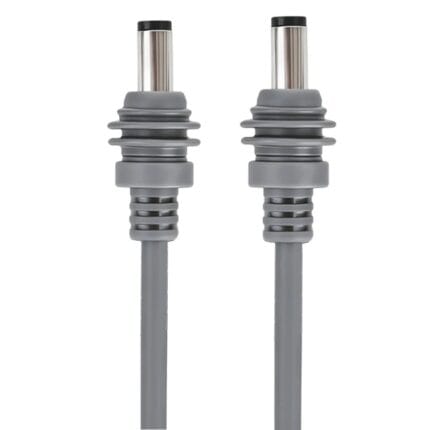
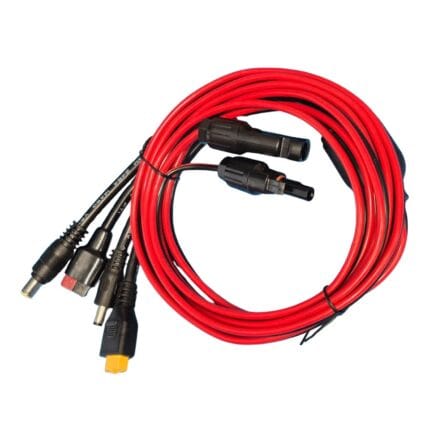
DC power. Barrel connectors at IP65 and IP67: the IP65 DC 5521 extension, the IP67 DC extension and the IP67 DC to USB-C lead. The DC barrel plug guide covers sizing and polarity.
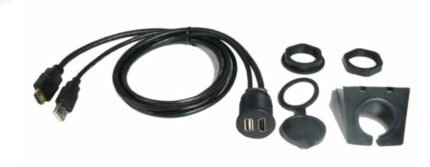
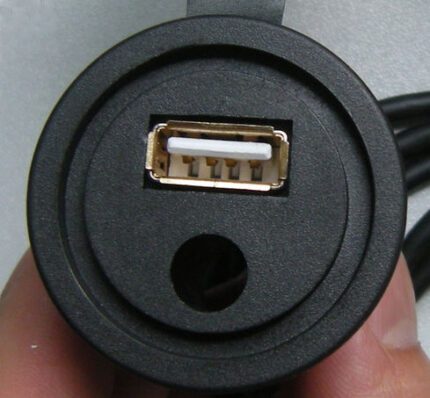
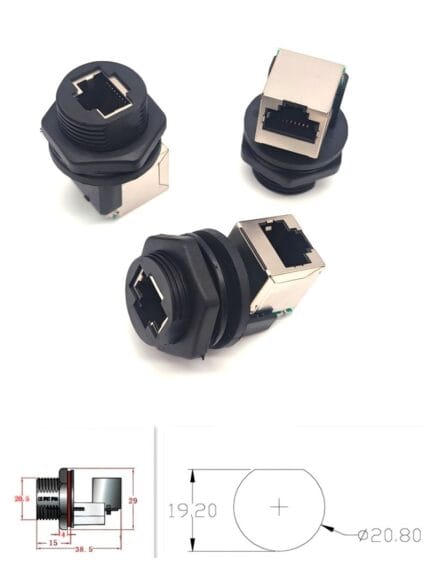
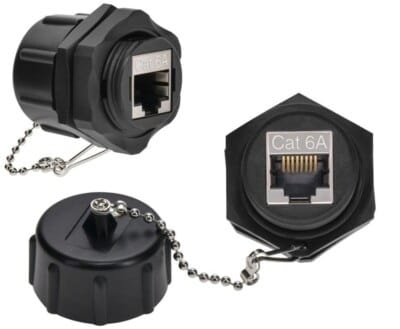
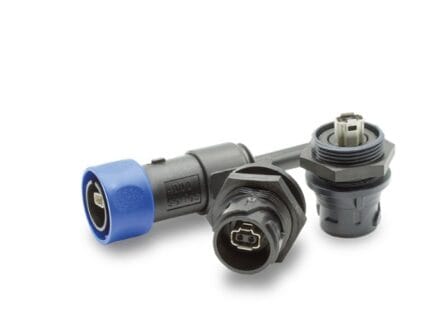
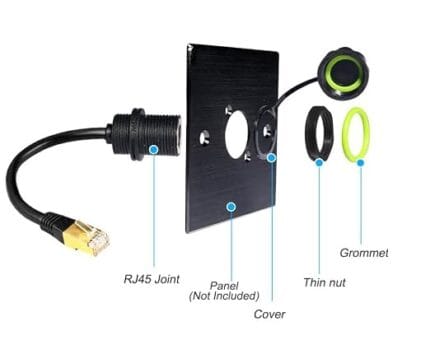
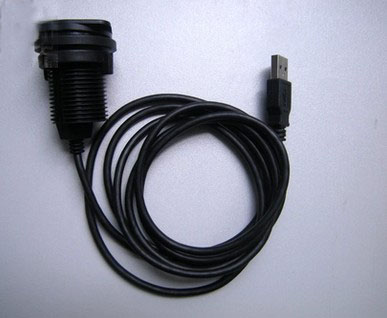
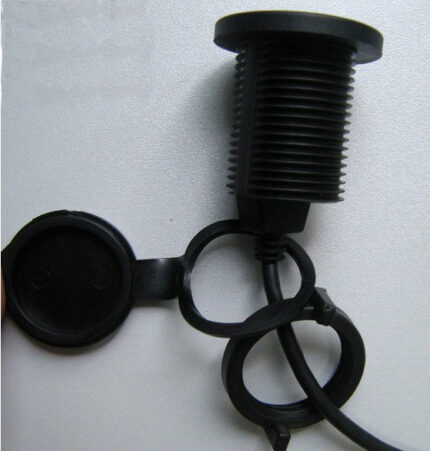
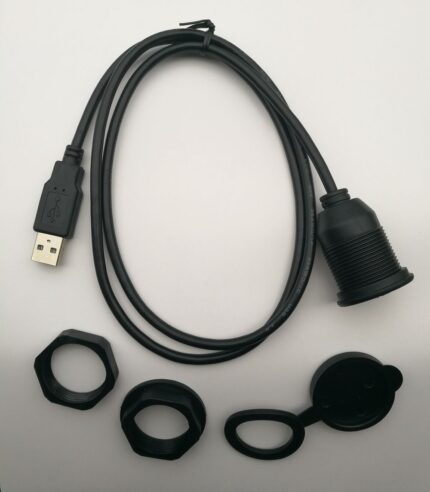
Panel mount. Where the seal belongs to the enclosure, compression and flatness matter more than the connector: the IP67 RJ45 panel coupler, the IP67 keystone frame and the flush mount USB-A with cover.
Typical destinations are industrial automation, automotive and EV, marine and outdoor and broadcast and pro AV. For the scenario side of outdoor selection, see IP67/IP68 waterproof cable assemblies and leak paths.
What to send with the RFQ
A sealed assembly cannot be quoted from a part number alone. These items move both the price and the lead time:
- Required code with the standard edition, plus a dual code if jet and immersion both apply. For IP68, state depth, duration and water temperature.
- Fluid list with concentration, temperature and cleaning frequency.
- Temperature range: continuous conductor rating, peak transient, installation minimum.
- Cable construction: conductor size and stranding class, shielding, jacket compound, outer diameter and tolerance, water blocking.
- Connector detail: series and coding, pinout, angle, shell material and plating, coupling torque.
- Sealing method and service model, plus length and tolerance (default +/- 1 percent, minimum band +/- 5 mm).
- Electrical limits: insulation resistance floor, withstand voltage, data class such as Cat6A channel compliance.
- Compliance and marking: RoHS, REACH, UL style numbers, customer part number, label artwork.
- Quantity split across prototype, pre-production and production, plus first article and qualification sample counts.
The custom cable assembly RFQ guide and the wire harness drawing checklist go further on format; how to specify an overmolded assembly covers the molding callouts.
Frequently asked questions
What is the difference between IP67 and IP68?
IP67 is fixed: 30 minutes at 1 m. IP68 is whatever the maker declares, provided it exceeds IP67, so two IP68 parts can differ by an order of magnitude. Ask for the declared depth, duration and temperature.
Can one connector be rated IP67 and IP69K at once?
Yes, and washdown parts usually are. The tests measure different things, static immersion versus a hot high pressure jet, so the sheet must list both.
Is IP68 enough for a pressure washer?
Usually not. A jet near 8 to 10 MPa at 80 C loads paths a soak never does. Specify IPX9 or IPX9K.
Why does a sealed assembly pass immersion and leak months later?
Cycling opened a marginal seal through breathing, the elastomer took compression set, or the coupling was retightened above its torque band. Immersion tests geometry, not any of those.
How much torque does an M12 coupling nut need?
Typically 0.6 to 1.5 N.m, but the datasheet governs: below the band the seal is not compressed, above it seal life is cut. Use a torque driver.
Can a waterproof connector be reused after opening it?
If it uses a replaceable radial seal and the shells are undamaged, yes, up to the rated mating cycles. Overmolded cordsets are sealed for life.
Do I need a vent to stop condensation?
With large temperature swings, a hydrophobic vent membrane is the cheap fix: it equalizes the 15 to 20 kPa of vacuum that would load the seal. Sealing harder does not help.
Which jacket survives hot washdown?
Ether based polyurethane, or a food grade compound rated for the detergent and temperature. Ester based polyurethane hydrolyzes in hot water. PVC vs PUR vs TPE compares the options.
Is IP67 sufficient for direct burial?
It covers the termination, not the run. Burial also needs a water blocked core and a jacket rated for soil contact, as in the Cat6A direct-burial cord.
Send us the specification
If you have a sealing problem rather than a part number, send the exposure conditions and the drawing: we will return a sealing method, the materials, a verification plan and the cost drivers. Use the RFQ checklist as your template. Where the design is still open, our overmolding and tooling teams will review the sealing geometry before you commit to a part number. Request a quotation with your test conditions attached.
Product range
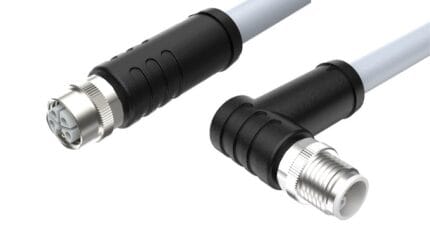
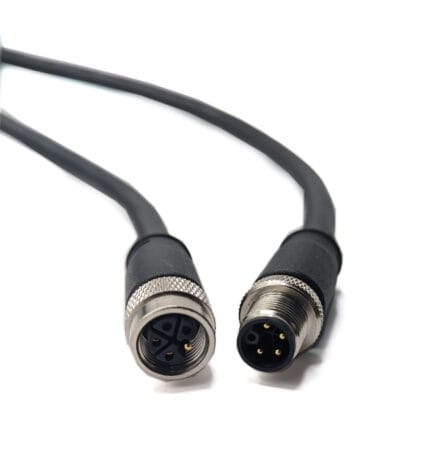
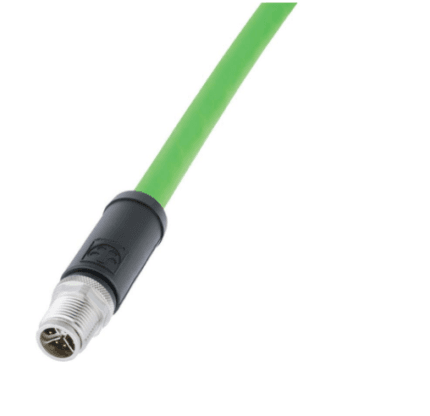
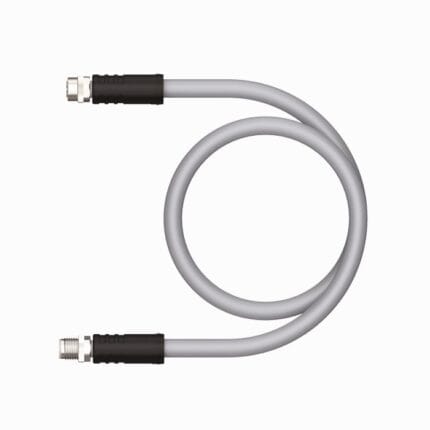
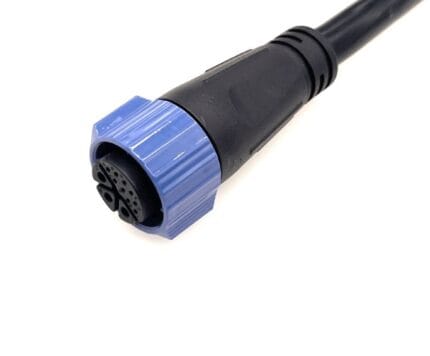
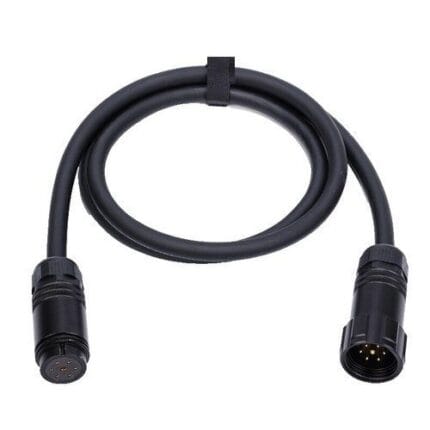
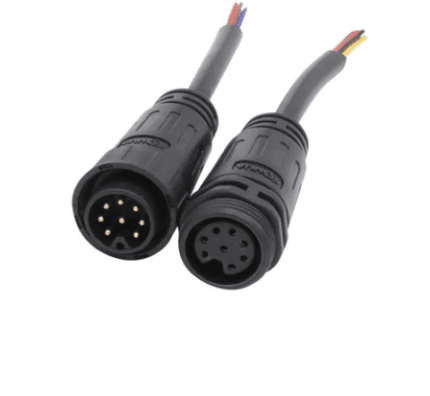
These are the waterproof cable assemblies we stock and build to order. Every product carries an explicit IP rating, and any of them can be modified for length, connector, or sealing method.
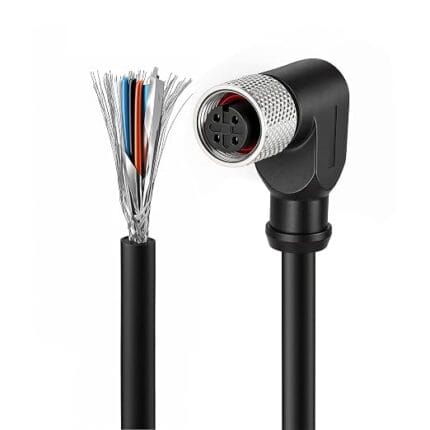
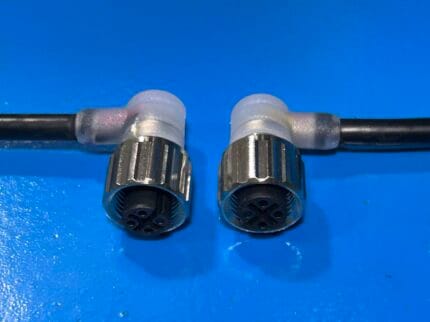
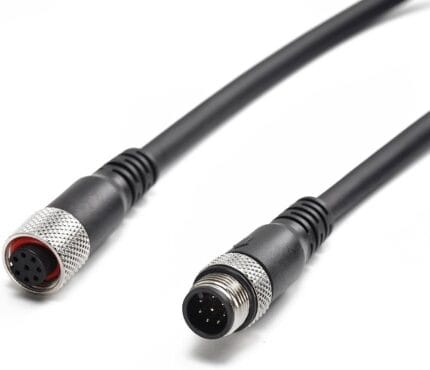
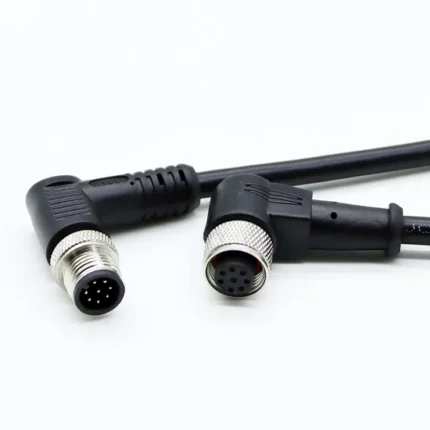
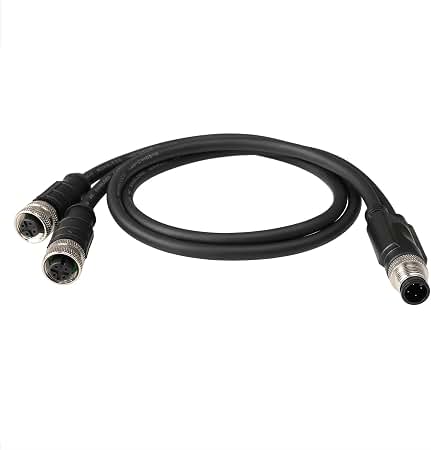
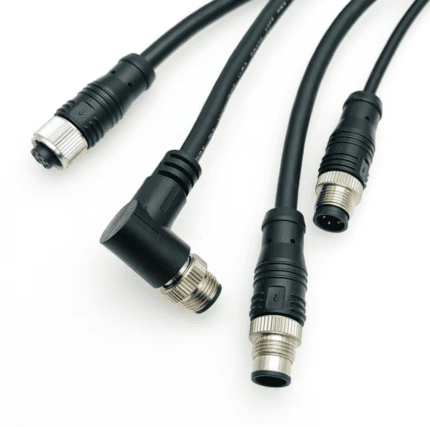
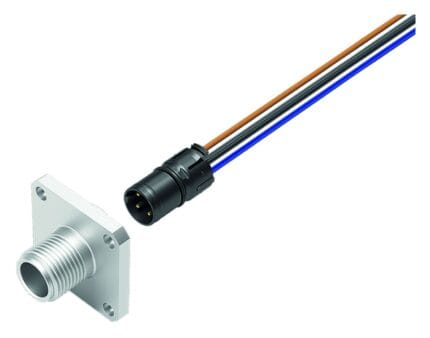
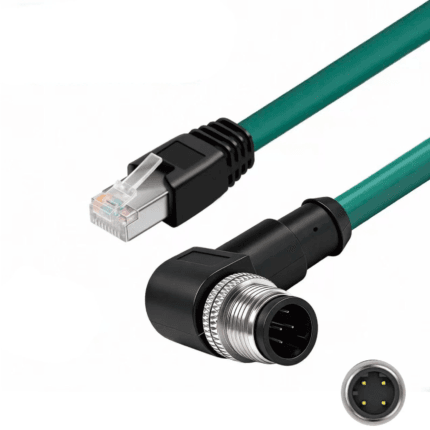
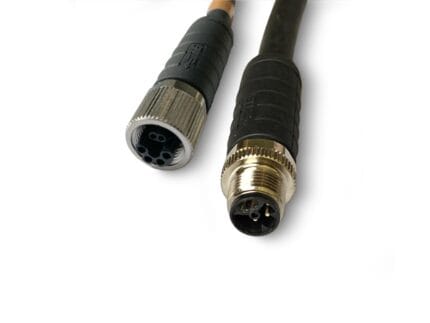
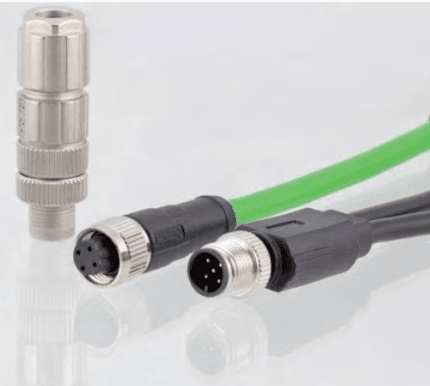
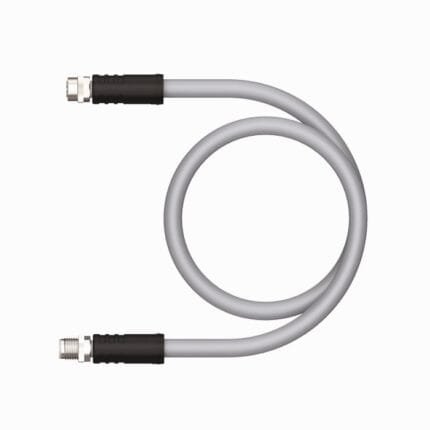
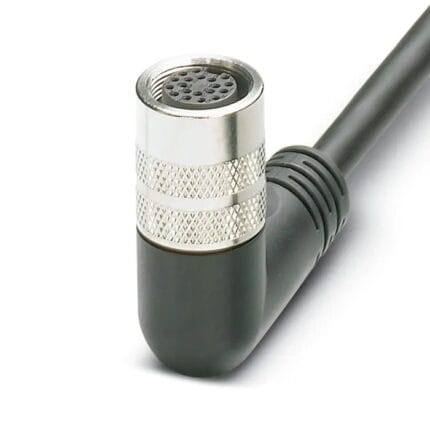
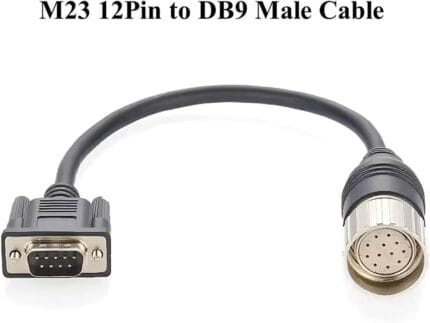
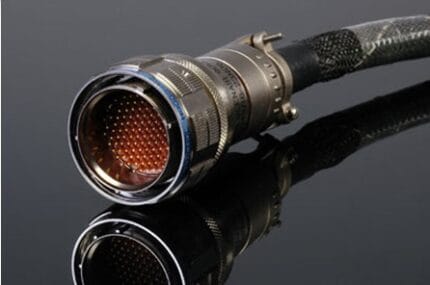
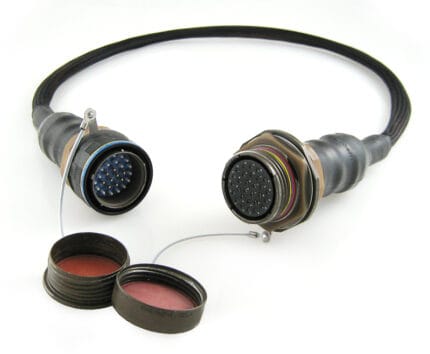
M23 Encoder Feedback Cable, 12-Pin and 17-Pin Servo Cordset
An M23 encoder cable is the quiet half of every servo axis: it carries encoder, resolver and winding-temperature signals from the motor back to the drive, through a 360-degree shield that keeps millivolt feedback legible next to a motor switching hundreds of volts. 12-pin to DB9 drive-end builds are our most common configuration.
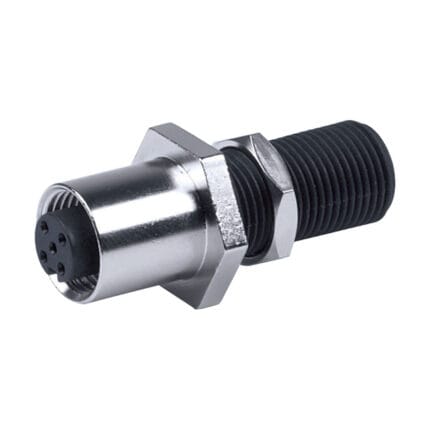
SPE Bulkhead Panel Connector for 10BASE-T1L Field Devices
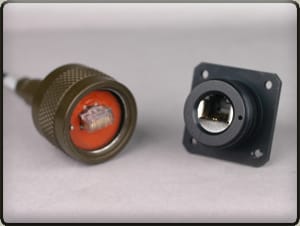
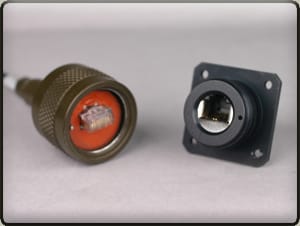
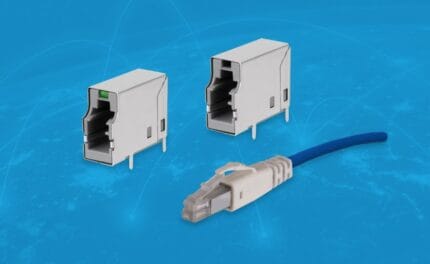
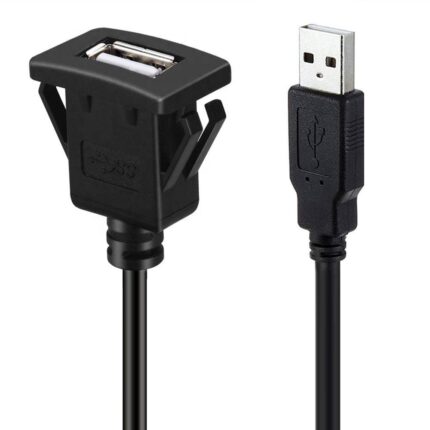
An SPE bulkhead panel connector brings 10BASE-T1L single pair Ethernet and Power over Data Line into a field device box through one sealed penetration. IEC 63171-6 mating face or M8 coupling, front or rear mounting. The cut-out is smaller and the termination is faster than a four-pair Ethernet entry.