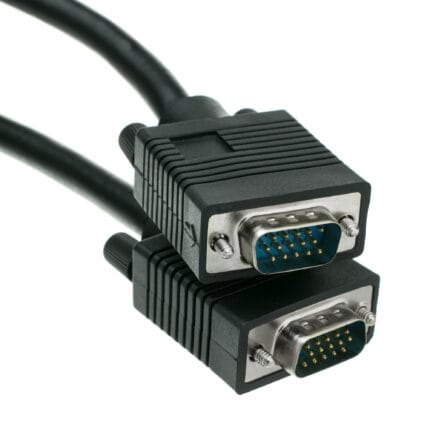
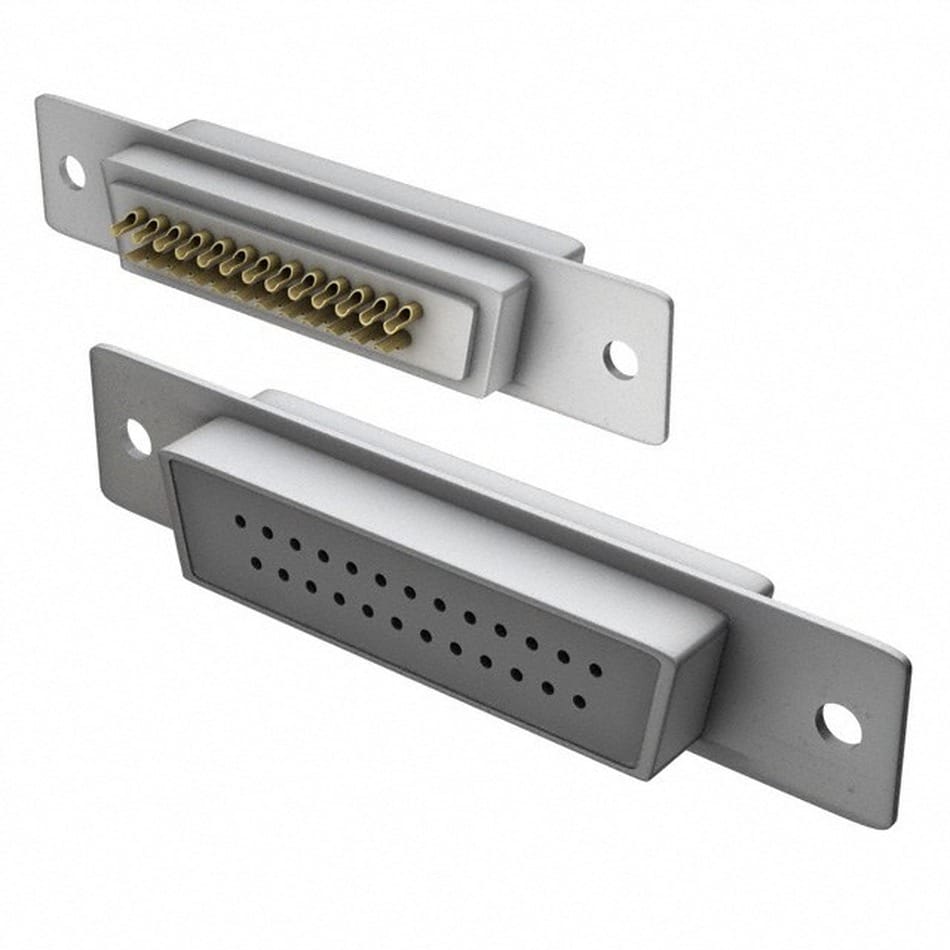
IP67 D-Sub Screw Cable, Sealed Cordset for Outdoor and Washdown Panels
Last updated: 7 September 2026
What Actually Makes a D-Sub Sealed
A standard D-Sub leaks in three places: between the two shell faces, between the connector and the panel, and straight down the back of the hood where the IP67 d-sub screw cable leaves. Sealing only the first of those gets you nothing. A genuinely sealed assembly deals with all three.
- A gasket or sealing frame compressed between the connector face and the panel or mating shell, with the jackscrews doing the compressing.
- A sealed backshell with its own gasket to the connector and either a compression gland or a potted rear entry around the cable.
- A watertight insulator inside the shell, so moisture cannot track from pin to pin or from pin to shell.
- An overmoulded rear on the cordset side, which removes the gland as a leak path entirely on one end.
The Rating Only Exists When Mated
This is the point that gets missed in procurement. A sealed D-Sub plug on the end of a cable is not sealed on its own; the ingress protection is a property of the mated pair and of the panel interface. Mate it to an ordinary IP20 receptacle in a cabinet and you have an unsealed joint with an expensive plug on one side of it. Some sealed ranges are rated mated only, and others are rated both mated and unmated, which matters if the connector spends its life hanging off the side of a test set. The rating is also a design target for the assembly: it needs the correct gasket, the correct gland for the actual cable diameter, and jackscrews torqued down, none of which survive a rushed installation.
Where They Get Specified
- Outdoor telecom and traffic cabinets where the panel face sees rain and condensation.
- Shipboard and offshore consoles exposed to salt fog and spray.
- Railway trackside equipment enclosures that are hosed rather than wiped.
- Food and beverage plant panels that get washed down at the end of every shift.
Specifying the Cordset
Start from the shell size and contact count, then the gender of each end and whether one end is a panel receptacle. The D-Sub shell itself follows IEC 60807, so the footprint and the jackscrew spacing are the same as the unsealed part you are replacing; that is the whole point of the sealed range. After that, the real decisions are the gland size, which has to match the outer diameter of the cable you are actually using, and whether the rear is potted instead. Tell us the washdown chemistry if there is one, because the gasket material has to suit it.
You May Also Need
Related Cable Ranges
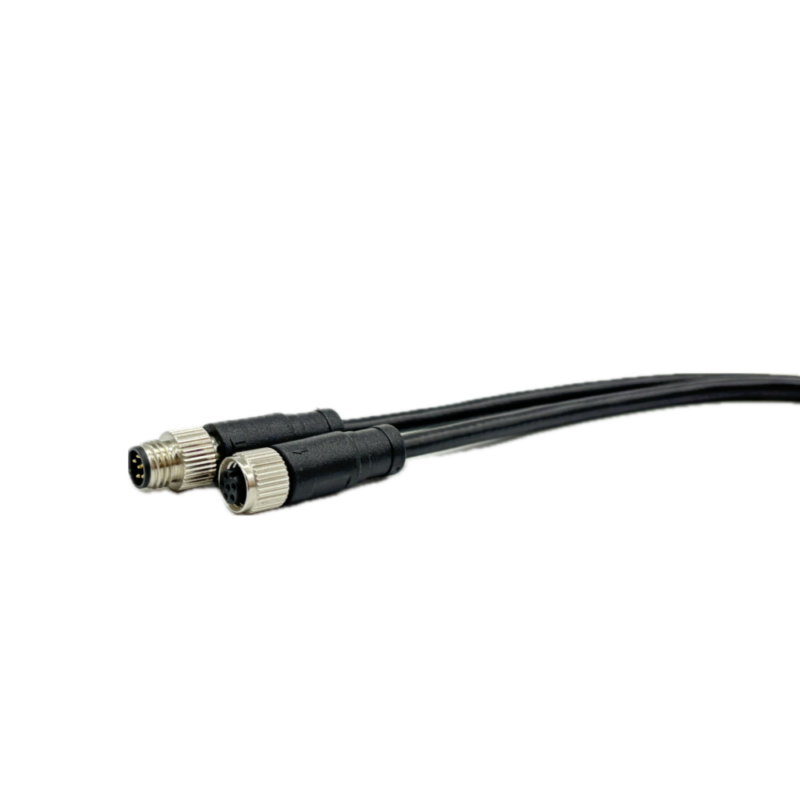
Panel Mount Cable • Signal and Data Cables • Circular M8 M12 Cable
Frequently Asked Questions
Which connector family does IP67 D-Sub Screw Cable use?
It uses D-Sub per IEC 60807, sealed version.
What jacket material does IP67 D-Sub Screw Cable use?
The jacket is PVC or PUR, black.
What lengths does IP67 D-Sub Screw Cable come in?
Build lengths are Made to order.
| Category | Screw-Lock Molded Cable |
|---|---|
| Connector family | D-Sub per IEC 60807, sealed version |
| Shell sizes | Standard D-Sub shell sizes and contact counts |
| Sealing, panel face | Gasket or sealing frame compressed by the jackscrews |
| Sealing, cable exit | Gland or potted rear entry, or overmoulded cordset rear |
| Ingress protection | Sealed design target for the mated pair; not a certified result |
| Contacts | Machined copper alloy, gold over nickel |
| Shell | Metal, nickel plated, conductive for screening |
| Jacket options | PVC or PUR, black |
| Length | Made to order |
Related products