Solar MC4 Adapter Cable to XT60, Anderson, DC7909 and DC5521 Power Station Inputs
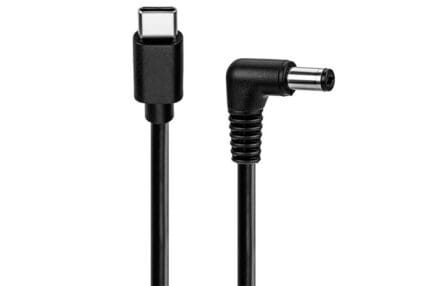
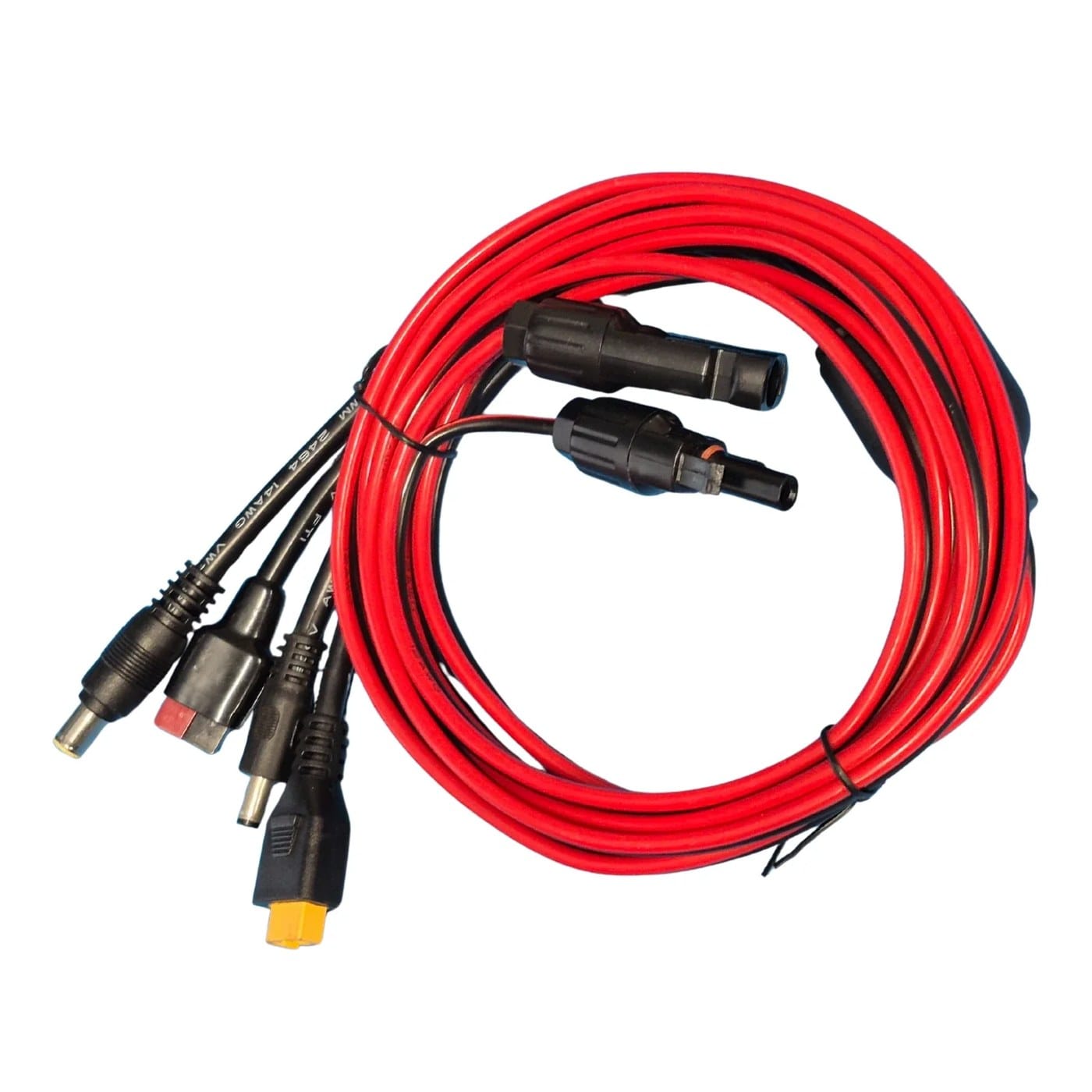
A solar mc4 adapter cable takes one MC4 panel output to XT60, Anderson, DC7909 and DC5521 power station inputs. 12 AWG trunk, branches about a foot from the joint, center positive on every barrel. Specify only the branches your fleet actually uses.
Last updated: 13 September 2026
Overview
A solar mc4 adapter cable removes the one mismatch that stops a panel being moved between generators. Portable power stations do not agree on an input connector – one takes a round barrel, another a keyed rectangular plug, a third a two-pin powerpole style shell – while the panel itself almost always terminates in MC4. This build carries the standard MC4 pair on the panel side and presents four input types on the fan-out, so a single panel serves a mixed fleet without re-terminating anything.
Key Specifications
| Connector A | MC4 male and female pair, polarised, latching |
|---|---|
| Connector B | Fan-out: XT60, Anderson style, DC7909 barrel, DC5521 barrel |
| Conductor | 12 AWG stranded copper trunk; lighter branch conductors |
| Lengths | 3 m / 10 ft overall; branches about 1 ft from the joint |
| Polarity | Center positive on all barrel branches, marked at each plug |
| Jacket | Flexible PVC, outdoor rated |
| Ingress rating | IP67 at the MC4 shells when latched (test report pending) |
| Optional branch | DC7909 to DC8020 as a fifth output |
| Applications | Folding and rigid panels feeding portable power stations |
| Build note | Passive wiring path; no conversion or regulation |
Solar interface selection table
Choose by which side of the system the connector lives on. Panel-side and battery-side connectors are not interchangeable in practice, and the reason is safety as much as geometry.
| Interface | Side it belongs on | Keying / latch | What to watch |
|---|---|---|---|
| MC4 | Panel side, and panel-to-panel joins | Polarised, latches with an audible click; needs a tool to release | Safety requirement in the PV connector standard IEC 62852 – mating halves must be from one system |
| XT60 | Battery and many power station inputs | Polarised housing, friction fit with a positive latch | Not an outdoor connector; keep the joint out of the weather |
| Anderson (powerpole / SB shell) | Battery side, high-current station inputs | Genderless shells, assembled red and black; sprung latch on SB sizes | Orientation has to match your existing kit or it will not plug in |
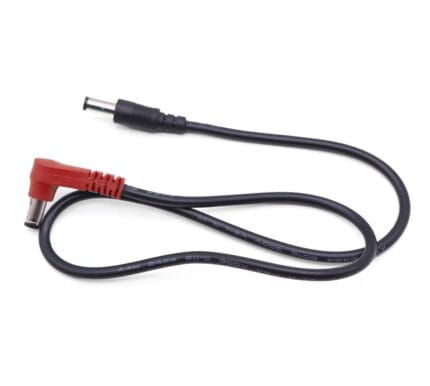
| DC7909 barrel | Round-input power stations | 7.9 x 0.9 mm, center positive, friction fit | Visually similar to nearby barrel sizes; measure the socket pin |
| DC5521 barrel | Round-input stations and 12 V gear | 5.5 x 2.1 mm, center positive, friction fit | A 2.1 mm plug in a 2.5 mm socket is loose and drops intermittently |
These are the industry-standard roles for each interface, described as general definitions. The connectors your adapter is built to are the ones you name on the order.
Which end is which, and why it matters
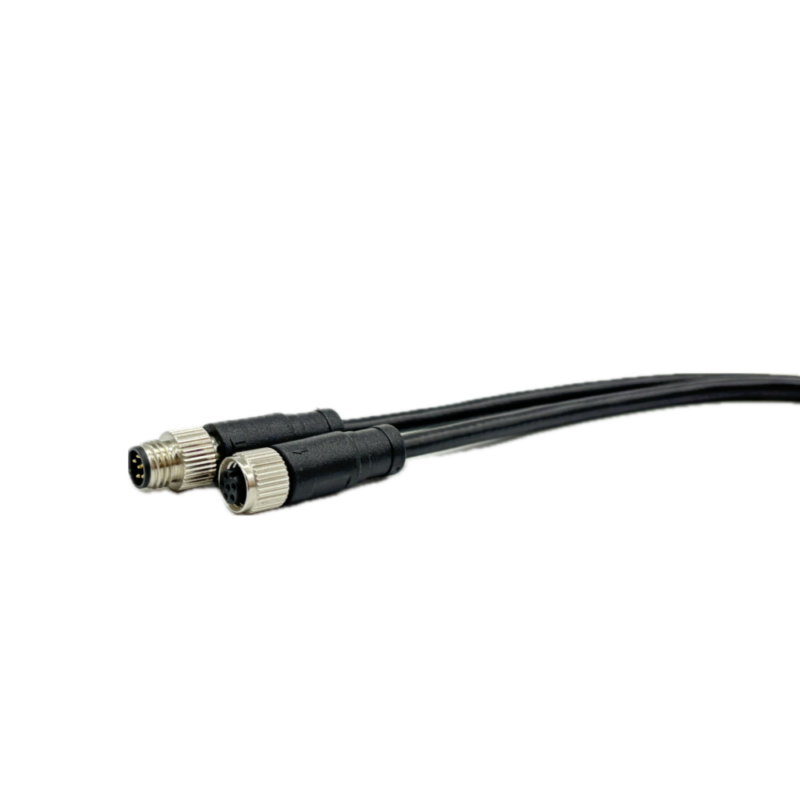
The panel side is the MC4 pair, and it is polarised: male and female halves cannot be reversed by hand, which is the point. The station side is the fan-out, and there the risk returns, because barrel branches are not polarised mechanically. Every barrel branch on this build is center positive and is marked at the plug. Applying reverse polarity to a station input is a service-affecting mistake, so check the marking at both ends before you connect.
The MC4 connector shells are quoted at IP67 by comparable products. That rating only holds when the shells are fully latched and the seals are clean and undamaged, and what we publish is the supplier test report rather than the number on a listing.
Matching the panel to the station input
The adapter is a passive wiring path. It does not convert or regulate anything, so three numbers have to agree before it will work:
- Open-circuit voltage of the panel has to sit inside the input range of the station. A panel with too high an open-circuit voltage is rejected outright.
- Input current limit of the station. A station that accepts 200 W of solar will not take more from a larger panel; the surplus simply is not drawn.
- Conductor capacity of the trunk, which is why the trunk is 12 AWG – the gauge normally quoted for this class of adapter because it carries panel current without a meaningful drop over the run.
Branch conductors are deliberately lighter than the trunk, since each branch only ever carries the current of the one load attached to it. Where you want every branch sized for the full trunk current, say so and we will build it that way – it costs more and weighs more.
Length, and why longer is usually better here
Total length is offered at 3 m and at 10 ft. The longer run is the one that matters on a campsite, because panels need sun and the station usually needs shade. A station charging in direct sun runs hot and throttles; keep the panel in the open and the electronics out of the heat and the same panel delivers more. If neither stock length fits, order the single length that does rather than joining two – every extra joint is another point of resistance and another place for water to get in. For a longer reach off the panel itself, our DC7909 solar extension cable is the matching piece.
Typical applications for this solar mc4 adapter cable
- Folding and rigid panels feeding portable power stations of mixed brands
- Camper van and overland setups where the panel moves between vehicles
- Off-grid cabins running one panel into two different charge sources
- Emergency and disaster response kits with mixed generator fleets
- Bench and service use, where stations arrive with four different inputs
- Distribution downstream through a fused 12 V distribution harness
How to specify your build
- Panel side – MC4 pair as standard, or the connector on your panel.
- Which branches – XT60, Anderson, DC7909, DC5521, or your own mix.
- Station input voltage and current limits, so we flag a mismatch.
- Overall length and branch length from the joint.
- Polarity – center positive as standard, marked at each plug.
- Optional fifth branch, DC7909 to DC8020.
- Quantity, sample or production.
Workmanship and testing
ISO 9001 governs the line and IPC/WHMA-A-620 Class 3 governs the workmanship. Terminations cover 32 to 12 AWG. No unit is packed before continuity and pinout have been verified, and where an ingress rating is specified we can quote seal checking on the production batch.
Custom builds and ordering
A prototype lot of 5 pcs ships in 3 working days; series orders start at 500 pcs and ship 14 working days after sample approval. We hold 100 sets of mold tooling in house, so a standard body needs no tooling time and a new one adds about 10 working days. OEM and ODM builds go out under your part number and label, with material certificates and first-article reports on request.
Related DC assemblies
- DC7909 Solar Extension Cable 14 AWG, 25 ft and 50 ft
- DC Plug XT60 Cable 5.5×2.1mm with Anderson SB50 Option
- Fused 12V Distribution Harness, Anderson Powerpole to 4-Way
- 14 AWG DC Barrel Pigtail Cable to Bare Wire or Ring Terminals
- IP67 Waterproof DC Extension Cable 5.5×2.1mm
- IP65 Waterproof DC 5521 Extension Cable
Full range: DC plug power cable assemblies.
Frequently Asked Questions
Do I need all four branches?
No. If your fleet uses two input types, build two branches and save the weight and cost. The four-branch version is for mixed fleets.
Will this let me use a bigger panel?
Only up to the input limit of the station. A station rated for 200 W of solar will not draw more from a 400 W panel.
Is polarity protected?
The MC4 side is polarised by design. The barrel branches are not, so each one is marked center positive – check the marking before connecting.
Can I join two of these together for a longer run?
You can, but it is not good practice. Order the single length that fits, or extend the panel side with a proper solar extension.
Is the MC4 side weatherproof?
Comparable products quote IP67 at the shells, and that holds only when they are fully latched with clean seals. We publish the test report rather than the listing number.
| Connector A | MC4 male and female pair, polarised, latching |
|---|---|
| Connector B | Fan-out: XT60, Anderson style, DC7909 barrel, DC5521 barrel |
| Conductor | 12 AWG stranded copper trunk; lighter branch conductors |
| Lengths | 3 m / 10 ft overall; branches about 1 ft from the joint |
| Polarity | Center positive on all barrel branches, marked at each plug |
| Jacket | Flexible PVC, outdoor rated |
| Ingress rating | IP67 at the MC4 shells when latched |
| Optional branch | DC7909 to DC8020 as a fifth output |
| Applications | Folding and rigid panels feeding portable power stations |
| Build note | Passive wiring path; no conversion or regulation |
Related products
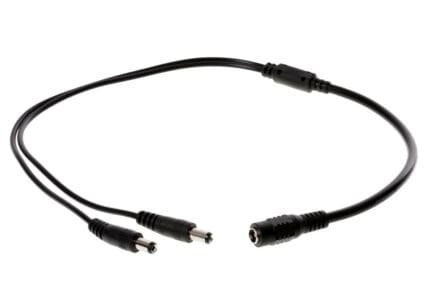
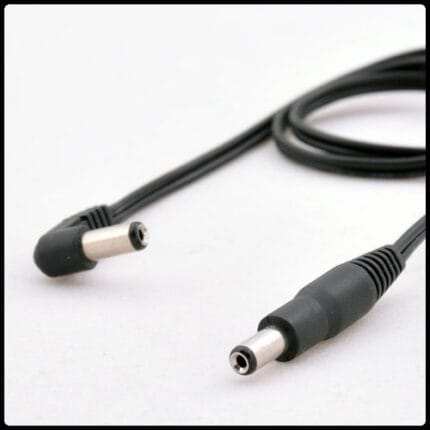
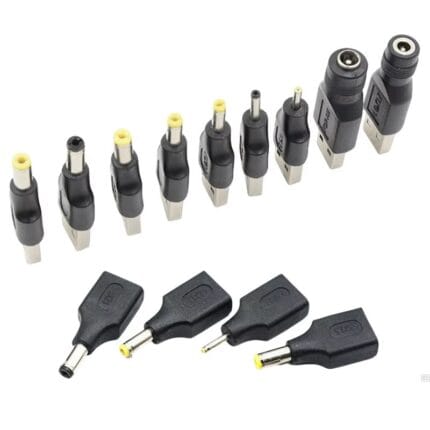
DC Barrel Adapter Kit – 5521 / 5525 / 4017 / 3513 / 1.35mm / 2.5mm, 6-Piece
A dc barrel adapter kit covering 5.5x2.1, 5.5x2.5, 4.0x1.7, 3.5x1.35 and 2.5 mm in six molded female-to-male adapters, so one supply covers a mixed estate. Center positive throughout, with nickel-plated brass contacts. Measure the socket pin with a caliper before ordering: the outer shell is identical across three of these five sizes. Bagged with a size card, or boxed with a printed insert.