
Built to order · 47 assemblies
Signal and Data Cable Assemblies
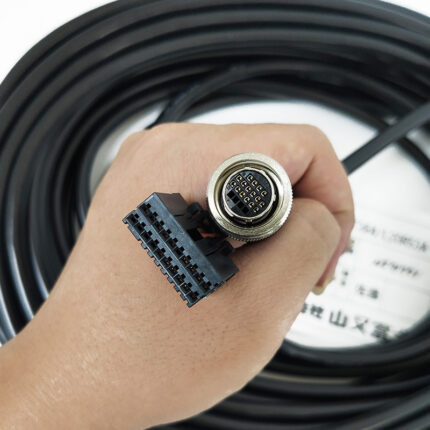
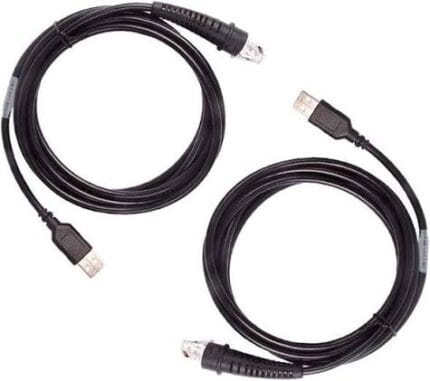
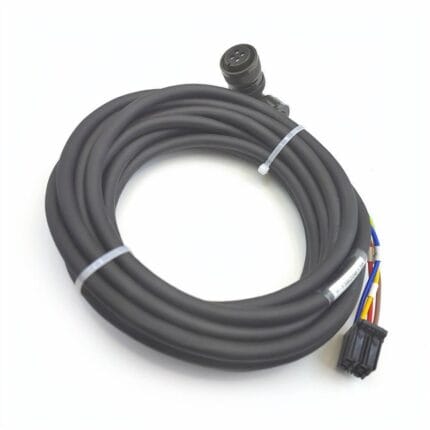
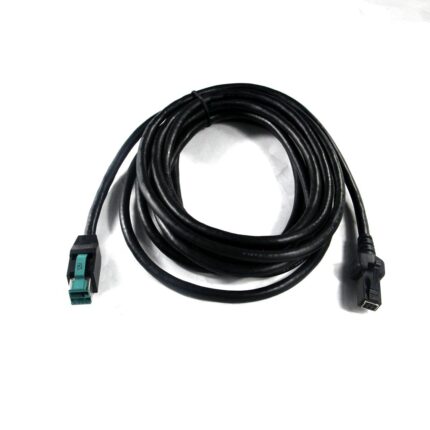
Data and signal leads for machine vision, robotics and industrial serial links, including locking USB3 Vision camera cords, USB4 active optical assemblies and torsion-resistant robot cabling. Shielding, jacket and connector orientation are set per order.
- Interface
- USB-C · USB4 · USB3 Vision
- Protocol
- RS-485 · CAN · 10GBASE-T
- Shielding
- Foil + braid · copper/fiber hybrid
- Jacket
- PVC · PUR · TPE
- Motion
- Static · continuous flex · torsion
- Sealing
- IP65 – IP68 on request
- Length
- 0.3 m – 30 m
- Build
- Overmolded · cleanroom-rated
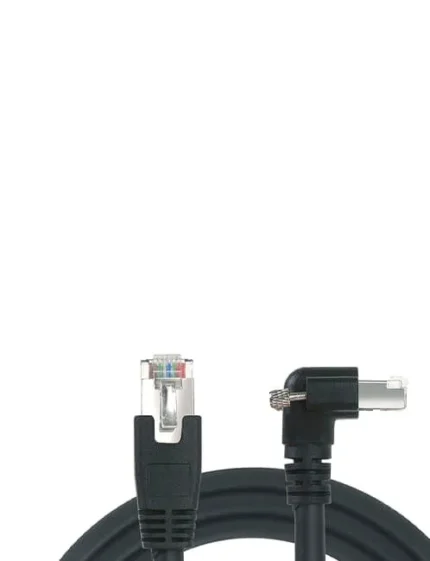
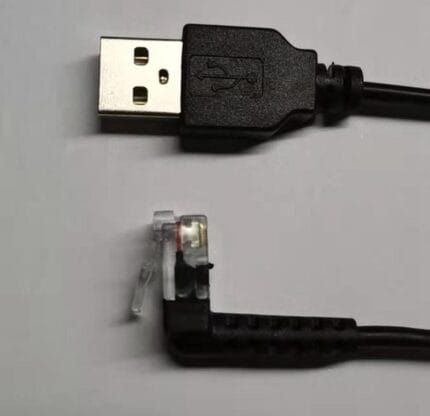
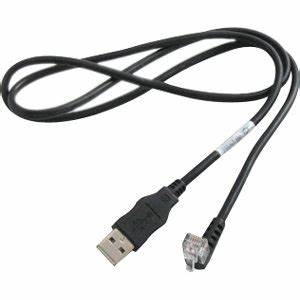
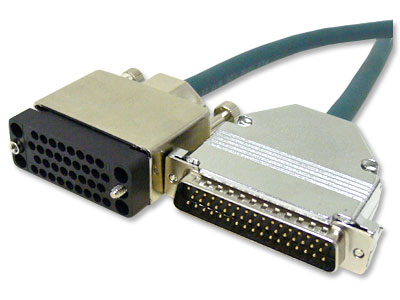
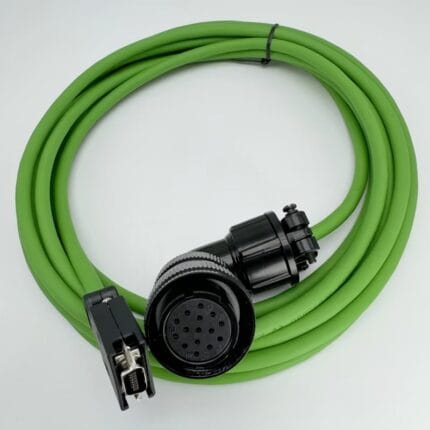
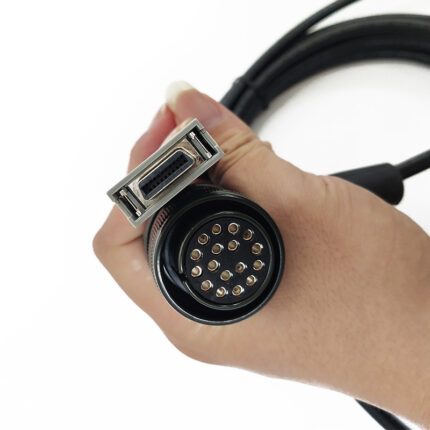
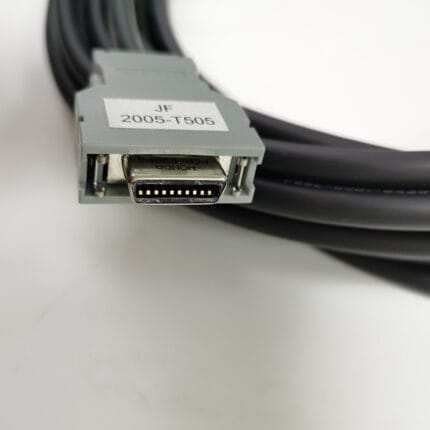
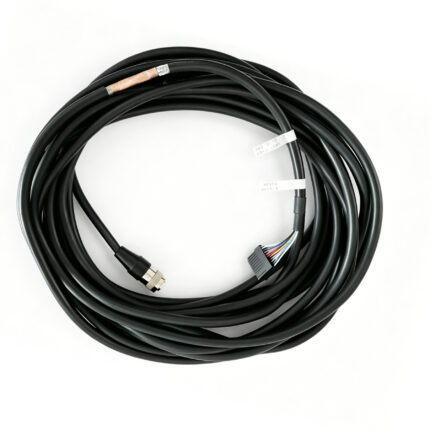
Specification table
This category exists because most projects start from a host port rather than a cable: the connector is decided by the equipment, and the build has to meet the signal requirement around it. Tell us the interface, the reach and what the cable moves through, and we specify conductor, shields and pitch from there.
| Parameter | Standard build | Available on request |
|---|---|---|
| Interface | USB-C, USB4, USB3 Vision, Micro-B, RJ45 | Mixed ends, panel-mount versions, legacy DIN |
| Protocol | RS-485 / RS-422 Modbus RTU, CAN | 10GBASE-T, Camera Link HS style builds |
| Data rate | 480 Mbit to 20 Gbit depending on the interface | Full-rate verification on request |
| Conductor | 22-28 AWG stranded copper | Silver-plated copper, fine-strand high-flex classes |
| Shielding | Foil plus braid over the signal pairs | Individual pair shields plus overall screen |
| Flex class | Static routing | Continuous flex, torsion, cleanroom-rated constructions |
| Jacket | PVC (indoor), PUR (oil and coolant) | TPE, halogen-free, low-outgas cleanroom grades |
| Sealing | IP65 to IP68 mated with the right hardware | IP69K where the run is washed down |
| Length | 0.3 m to 30 m | Longer runs quoted against the interface loss budget |
| Build | Overmolded strain relief on both ends | Backshells, potting, labeled harness branches |
USB builds follow the USB4 and USB specification set published by the USB Implementers Forum; vision interfaces are specified against the AIA vision standards and, for camera-side behavior, EMVA guidance.
Typical applications
- Machine vision USB3 Vision and GigE Vision leads that hold lock even when the cable flexes with a moving camera.
- Motion control Encoder and feedback lines kept separate from motor power to avoid encoder noise.
- Fieldbus runs RS-485 and CAN trunks built to the characteristic impedance the network expects.
- Drag chain Continuous-flex constructions with specified bend radius and cycle life.
- Semiconductor and cleanroom Low-outgas jackets and documented packing.
- Test and measurement Short-run precision leads with stated capacitance and return loss.
Related reading
- GigE Vision Cable SelectionPower over Ethernet, locking plugs and flex life for cameras mounted on moving equipment.
- Shielded vs Unshielded CableWhen a shield fixes EMC and when it makes things worse through ground loops and antenna effects.
- How to Prepare a Custom Cable Assembly RFQThe fields a supplier needs before quoting: interface, length, environment, quantity and drawing.
Questions buyers ask
How do I choose between foil and braid shielding?
Foil gives 100 percent coverage and handles high frequency noise; braid is stronger mechanically and carries low frequency return current better. Most motion and vision builds use both. There is a case where a shield makes EMC worse, and we cover it in shielded vs unshielded cable.
What decides the usable length of a GigE Vision run?
Insertion loss across the pairs, followed by the return loss of the plug terminations. Screw-lock and high-flex constructions change the answer, so we work from the camera and switch distances rather than a fixed maximum. See GigE Vision cable selection.
Can you hold a torsion rating?
Yes for robot-mounted builds. We need the twist angle per meter and the cycle count, then select the stranding and shield construction to match instead of quoting a generic flex number.
Have one built to your drawing
Send the connector part numbers, lengths and environment. We review manufacturability in writing before any tooling spend, and we tell you up front what we cannot do.