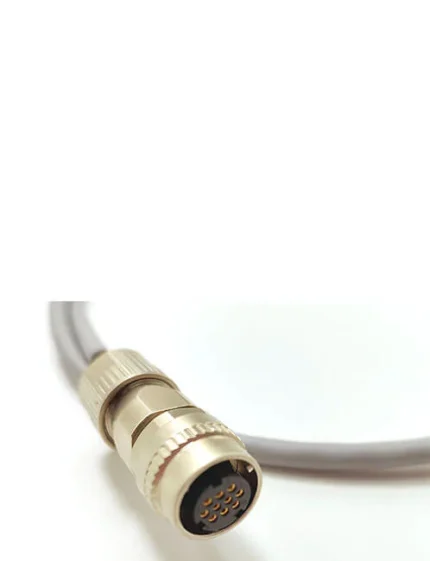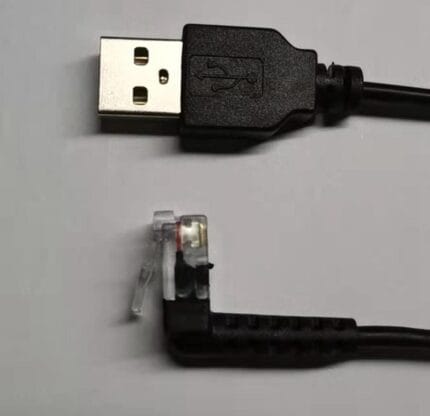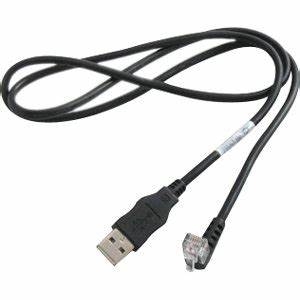
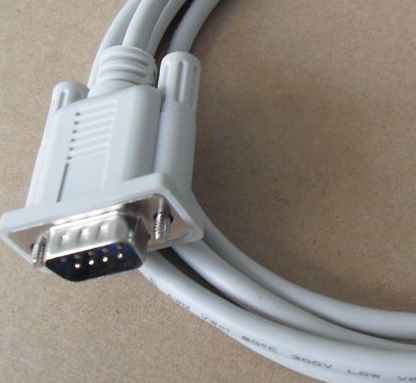
DB9 to RJ45 Serial / Console Cable
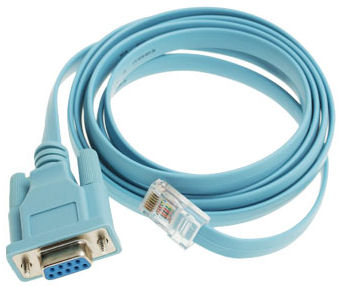
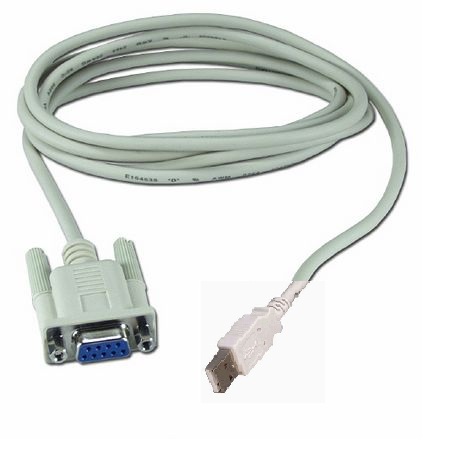
This sub db9 cable is wired for one of four jobs: Cisco console, RS-232 DTE, RS-232 DCE, or RS-422 / RS-485 – with a DB9 to USB bridge variant for modern hosts. 28 AWG shielded pairs, metal-hooded shell, built to your pinout, gender and length.
Overview
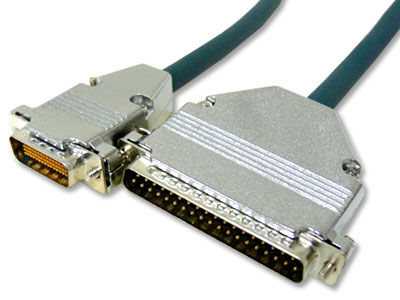
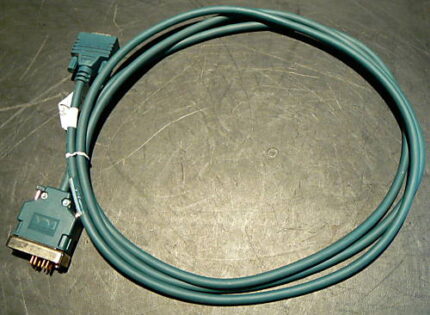
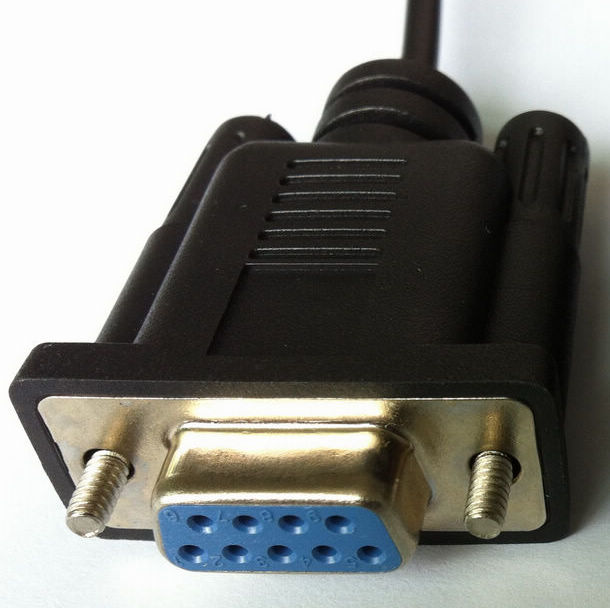
A sub db9 cable to RJ45 is the two most common legacy-serial jobs in one assembly: the console lead you plug into a network switch, and the RS-232 data lead you run to an instrument or a drive. There is also a DB9 to USB bridge variant for putting a serial device onto a modern host. Ours is twisted pairs of 28 AWG stranded tinned copper under an overall foil shield with a drain wire, in a PVC jacket, with a metal-hooded DB9 shell with thumbscrews at one end and an RJ45 or USB-A plug at the other, wired to the pin-out you name.
Key Specifications
| Connector A | DB9 male or female, metal hood with thumbscrews |
|---|---|
| Connector B | RJ45 male (8P8C) or USB-A male, per variant |
| Pin-out | RS-232 DTE, DCE, Cisco console, or RS-422 / RS-485 per inquiry |
| Conductor | 28 AWG stranded tinned copper |
| Shielding | Overall foil shield with drain wire |
| Jacket | PVC, black or beige, 5 mm to 8 mm OD |
| Length | 1 m to 5 m standard; OEM on request |
| Build | Pin-out verified to your drawing |
Which pinout does this sub db9 cable need?
Four wirings account for almost every order, and they are not interchangeable. A straight-through RS-232 cable and a Cisco console cable can look identical on the bench and behave completely differently in the rack. Name the job rather than the connector: what is at each end, and whether the device is DTE or DCE.
| Pin-out | Use it for | What it does | Common mistake |
|---|---|---|---|
| Cisco console | Switch and router console ports | Maps the DB9 to the RJ45 console pinout | Ordering a straight-through serial cable instead |
| RS-232 DTE | Connecting a DTE device to a modem or DCE port | Straight-through on the data pairs | Using it between two DTE devices |
| RS-232 DCE | Two DTE devices back to back | Crosses transmit and receive | Assuming a null modem adapter is fitted |
| RS-422 / RS-485 | Industrial sensors, drives and long runs | Differential pairs, not single-ended | Wiring it as RS-232 and losing the differential benefit |
Console cable or data cable: they are not the same thing
A console cable is a convenience wiring: it lets a laptop with a serial port talk to a device that presents its console on an RJ45. It is not a general-purpose serial cable, and it will not work as one – the pin mapping is specific to the console port. A data cable carries real RS-232 signal levels between two devices that both speak it. The confusion is understandable because both are “a DB9 to RJ45 cable”, and it is why we ask what the cable is for before we quote. If you are standardizing a rack build, buy console cables labeled as such and keep them separate from your data leads.
DB9 to USB: what is actually inside the cable
This variant is not a passive wiring. Converting serial to USB needs active electronics – a bridge device – and that changes what you should expect from the assembly. The bridge presents a virtual serial port to the host, so the operating system driver matters as much as the wiring, and the cable has a maximum reliable length set by USB rather than by RS-232. It is the right answer for getting one legacy instrument onto a modern laptop, and the wrong answer for a permanent industrial link, where a real serial port or a proper serial-to-Ethernet device server will behave better over years.
Shielding and length on an RS-232 run
RS-232 is a single-ended interface with large voltage swings and modest speed, which makes it forgiving over a couple of meters and progressively less forgiving after that. The foil shield with a drain wire is there to keep the return path clean in a rack alongside power, and the metal hood at the DB9 end bonds the screen to the shell rather than leaving a pigtail. Standard range is 1 m to 5 m. If you need materially more than that, RS-422 or RS-485 on the same DB9 shell is usually the better answer – differential signaling tolerates distance that single-ended RS-232 does not, and we build both on the same platform.
Typical applications for this sub db9 cable
- Cisco console cable to network switches and routers
- RS-232 serial connection to industrial and scientific instruments
- RS-422 / RS-485 data link to industrial sensors and motor drives
- DB9 to USB bridge cable for legacy serial to USB hosts
- Panel and cabinet builds where the far end is a standard RJ45 jack
How to specify your build
- Job – console, RS-232 data, or RS-422 / RS-485.
- DTE or DCE, or the equipment at each end.
- DB9 gender and hood style.
- Length, measured along the run.
- USB variant, if the host has no serial port.
- Quantity, and whether this is a sample or a production order.
Workmanship and testing
IPC/WHMA-A-620 Class 3 is the workmanship bar for DB9 builds, and ISO 9001 is the system behind the line, from 32 to 12 AWG. No DB9 assembly is boxed before 100% continuity and pinout are confirmed, and seal checking is quoted whenever an ingress rating is on the drawing.
Material declarations against RoHS and REACH are issued per project, alongside the dimensional and electrical reports agreed at quotation; see certifications, compliance and material declarations. Where your drawing names a UL style or another approval, the build follows your drawing and ships with the supporting document rather than a claim of our own. Where this build needs an overmold, the tool is designed, cut and maintained in our own shop under in-house mold making and overmold tooling, and it is never used for another customer’s program. More background: cable assemblies for test and measurement.
Custom builds and ordering
Five pieces is the prototype minimum for DB9 builds, shipping in 3 working days; the production minimum is 500 pcs, delivered 14 working days after approval. Tooling not already held adds around 10 working days. DB9 orders ship as OEM or ODM under your part number and labeling material certificates and first-article reports come with them on request.
Related D-Sub and serial assemblies
- DB50 to DB25 DTE Serial Cable
- LFH60 to DB37 RS-449 / V.35 DCE Serial Cable
- 2V2 / 3W3 / 5W5 Mixed-Contact D-Sub Cable
- 13W3 to VGA (HD15) Mixed-Contact D-Sub Cable
- Custom Shielded Ethernet Data Cable
- IP68 Industrial Data Cable for Serial, USB and Ethernet
Full range: signal and data cable assemblies.
Frequently Asked Questions
Will a Cisco console cable work as a serial data cable?
No. The console pinout is specific to the console port. Tell us the job and we will wire the right one.
Can I run RS-485 over this DB9 shell?
Yes. RS-422 and RS-485 are differential and are built on the same DB9 platform, which suits longer runs better than RS-232.
Is the USB version a passive cable?
No. It contains an active bridge device and presents a virtual serial port to the host, so driver support matters.
How long can I go?
1 m to 5 m as standard for RS-232. For longer runs, use the RS-422 or RS-485 build.
| Connector A | DB9 male or female, metal hood with thumbscrews |
|---|---|
| Connector B | RJ45 male (8P8C) or USB-A male, per variant |
| Pin-out | RS-232 DTE, DCE, Cisco console, or RS-422 / RS-485 per inquiry |
| Conductor | 28 AWG stranded tinned copper |
| Jacket | PVC, black or beige, 5 mm to 8 mm OD |
| Length | 1 m to 5 m standard; OEM on request |