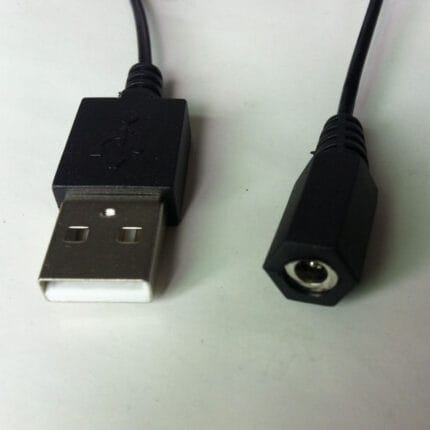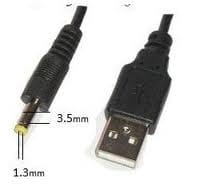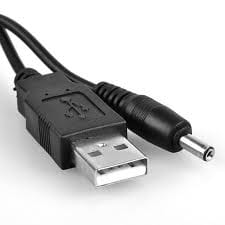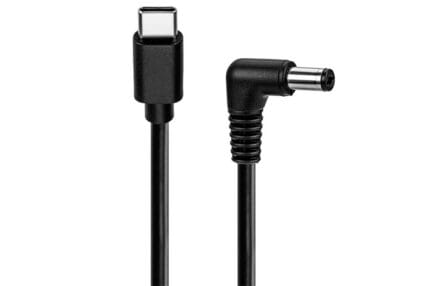
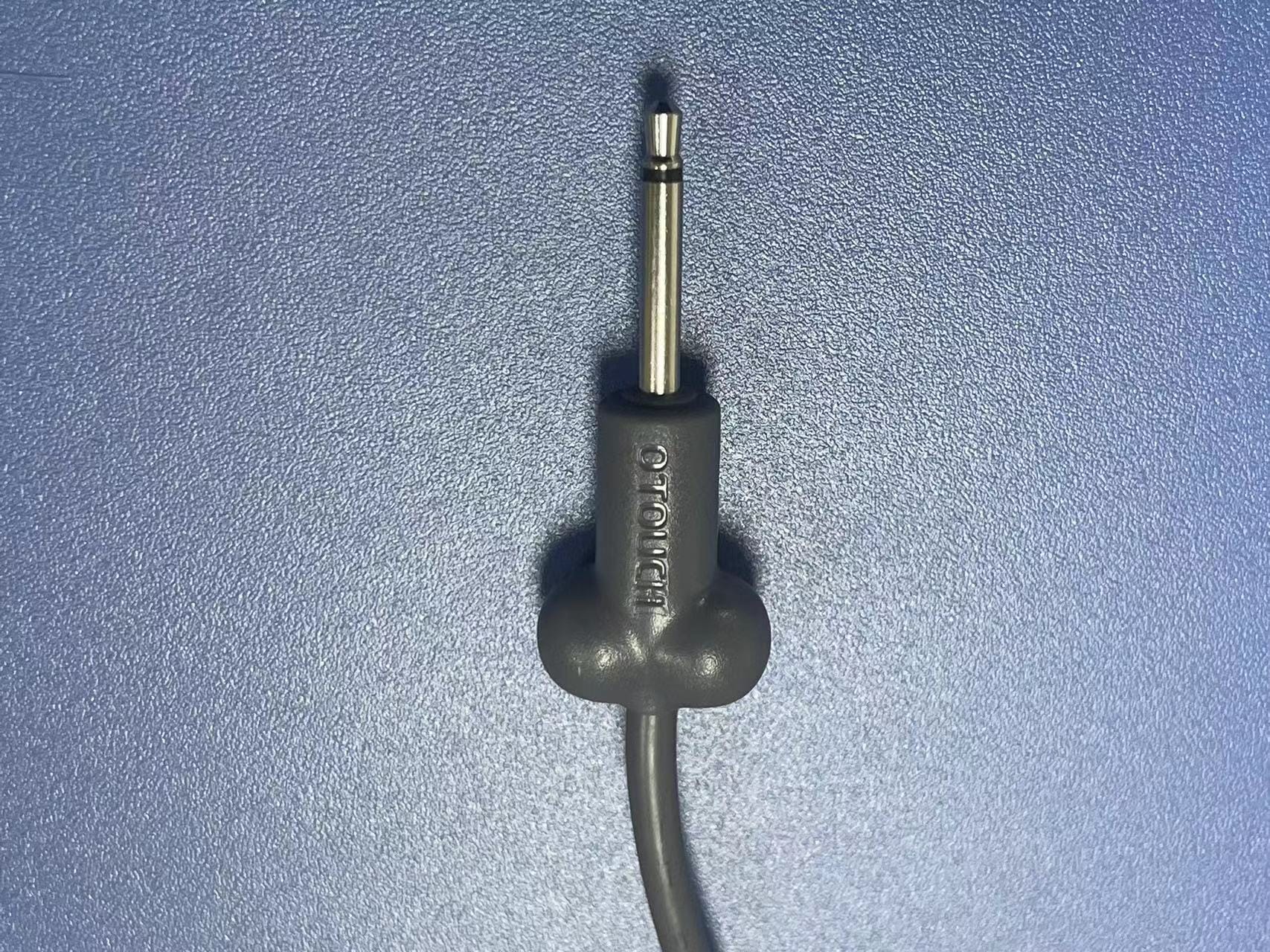
DC 5.5 x 2.1 mm Magnetic Charging Cable
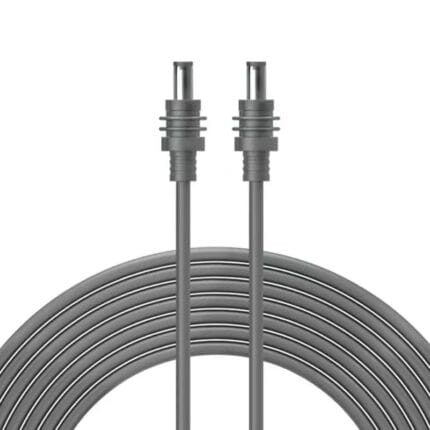
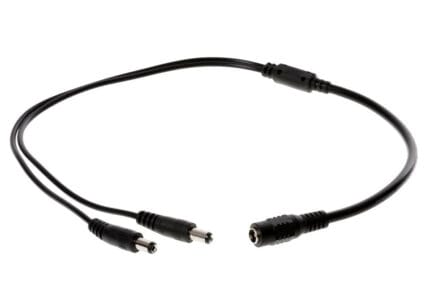
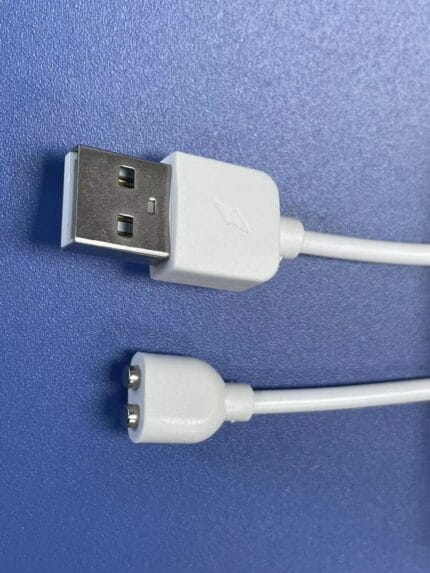
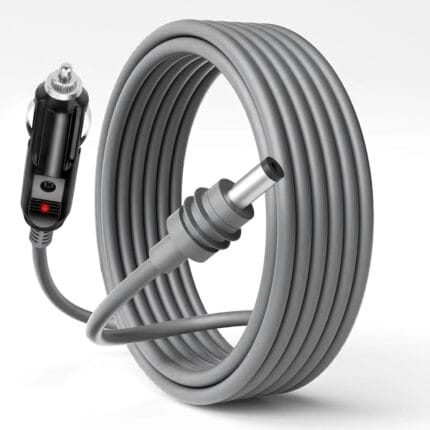
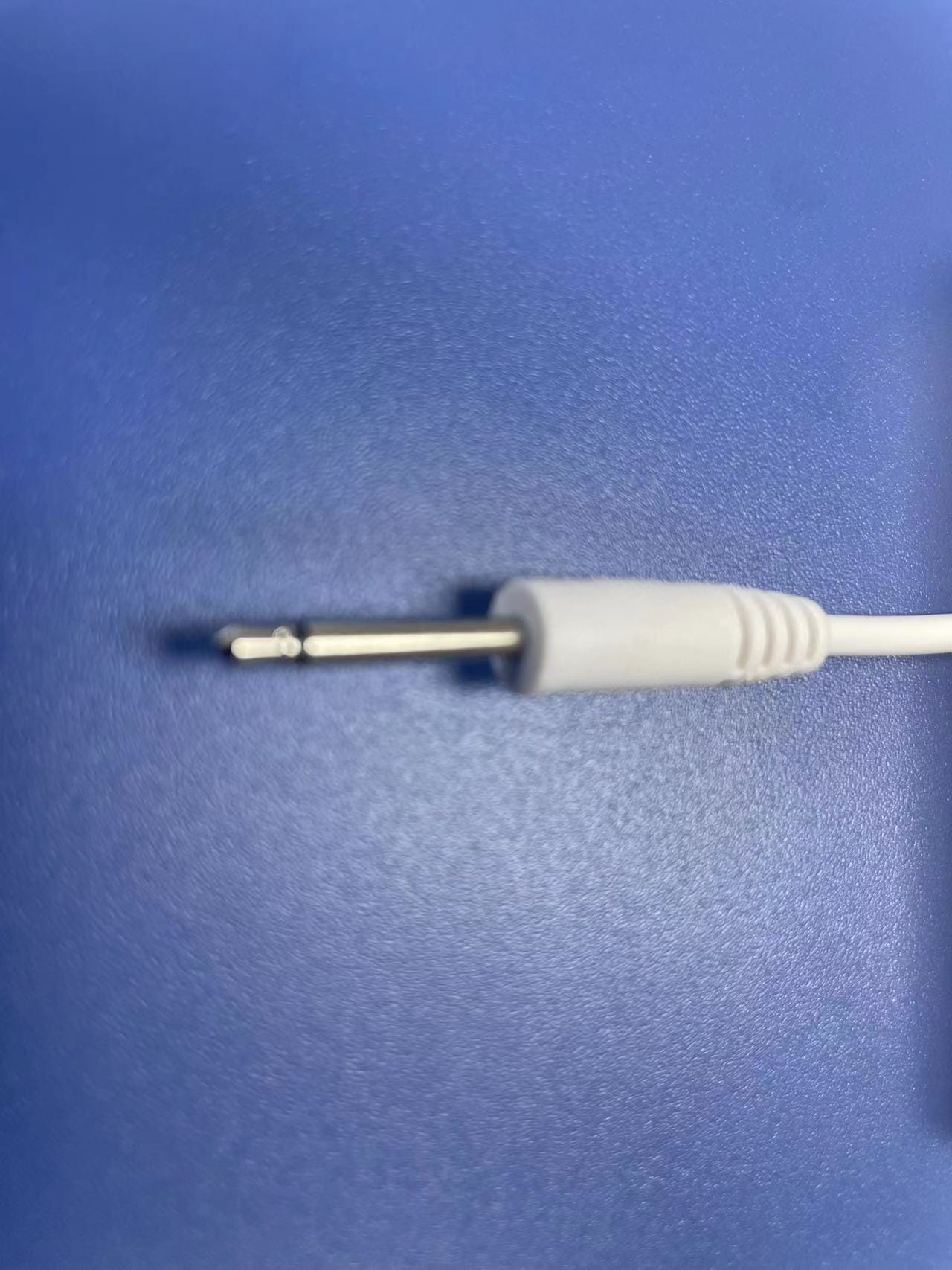
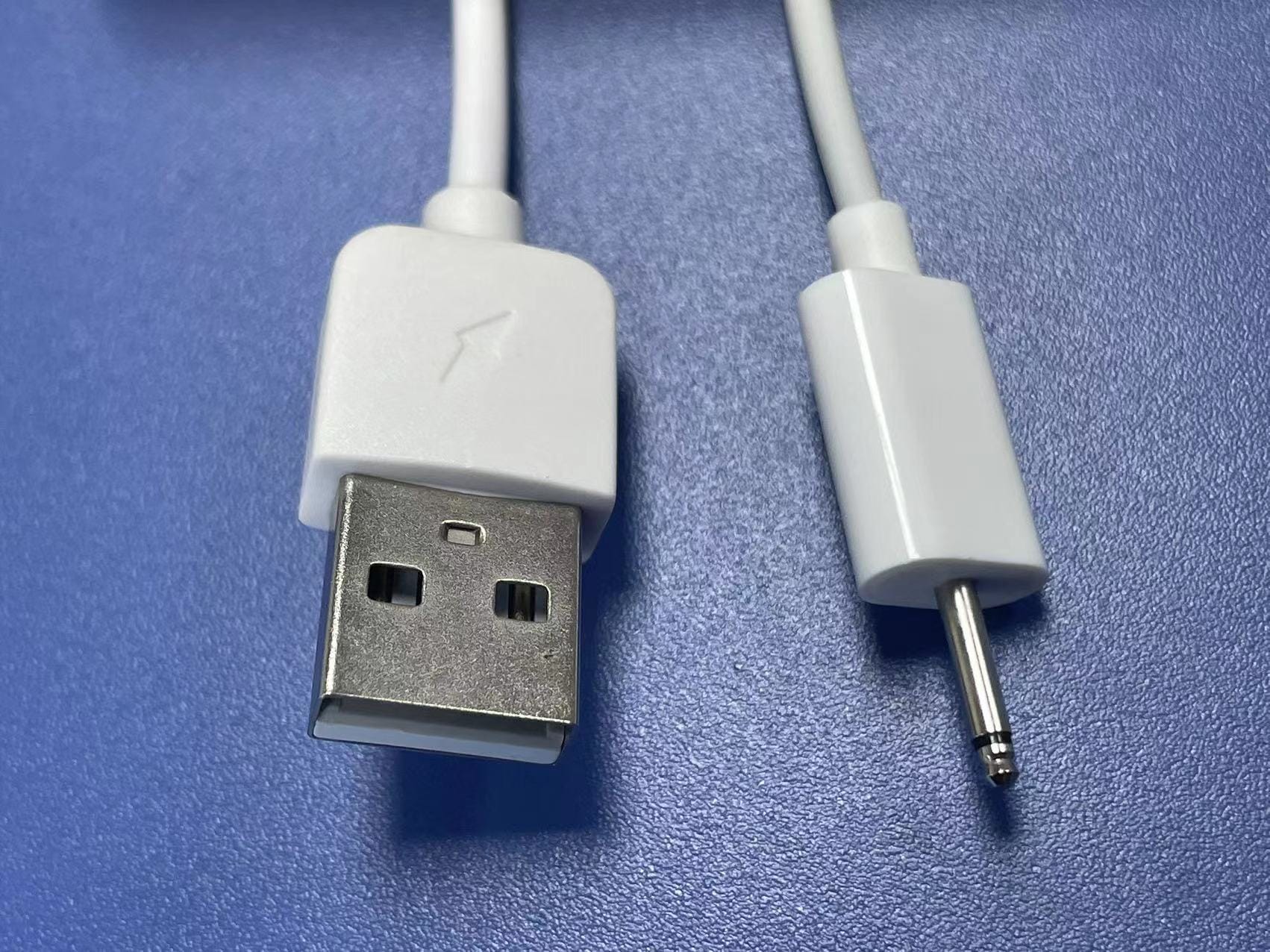
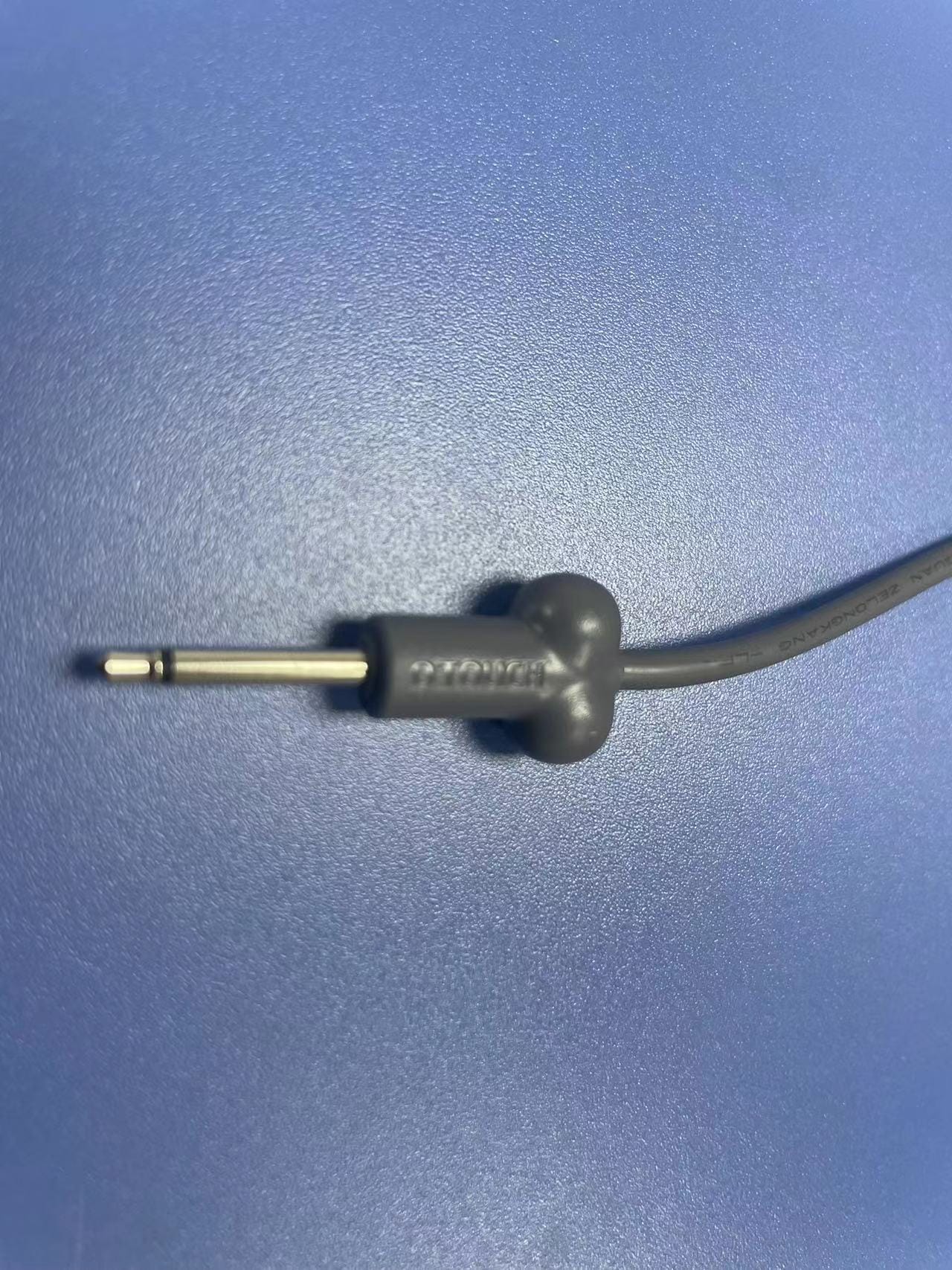
This magnetic charging dc 20 cable ends in a 5.5 x 2.1 mm coaxial DC jack held by magnet retention, so a snagged lead releases instead of pulling the device off its mount.
5 to 24 V DC, center positive by default, reversible on request.
Overview
A magnetic charging dc 20 cable ends in a 5.5 x 2.1 mm coaxial DC jack held on by a magnet instead of friction. 5.5 x 2.1 mm is the most common low-voltage barrel in the field – CCTV cameras, LED strip drivers, routers, small appliances – and that is exactly why the breakaway matters: those are the devices mounted on walls and ceilings where a caught cable pulls the whole unit off its bracket. The magnet releases first.
Key Specifications
| Connector A | USB-A or DC jack host plug, per inquiry |
|---|---|
| Connector B | 5.5 x 2.1 mm coaxial DC jack, magnetic retention |
| Rated voltage | 5 V to 24 V DC |
| Rated current | 3 A at 5 V, 2 A at 12 V, 1.5 A at 24 V |
| Polarity | Center positive by default; reversible on request |
| Conductor | 2 x 20 AWG tinned copper |
| Cable jacket | PVC, 3.5 mm OD typical |
| Length | 1 m to 3 m standard; OEM on request |
| Mating cycles | 10,000 insertions, cycle tested |
The current rating is a curve, not a number
Note that the rating falls as voltage rises. That is not a quirk of the magnet – it is the heat budget. What the joint has to dissipate is power, and the table below shows how the same assembly is rated differently depending on where it sits in the voltage range.
| Supply voltage | Stated rated current | Power through the joint |
|---|---|---|
| 5 V | 3 A | 15 W |
| 12 V | 2 A | 24 W |
| 24 V | 1.5 A | 36 W |
Read that table the way an installer should: at 24 V you can deliver more power, but not more current, because the current is what heats the contacts. If your 24 V load needs 3 A, this is not the part – and no magnet change will make it the part.
Why the magnetic joint is the warmest point in the run
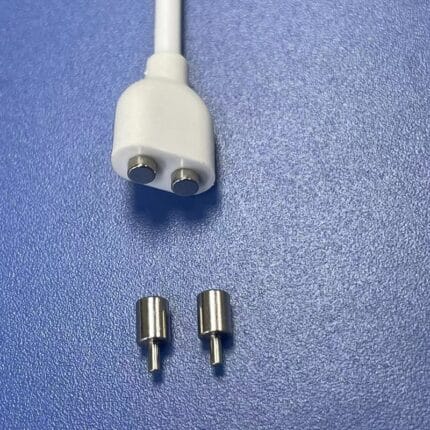
A solid barrel plug grips the jack sleeve along its whole circumference. A magnetic head meets it with pogo pins – a spring, a plunger and a flat contact face – and each of those interfaces adds resistance. Add the current and you get heat, concentrated in the head where the cable meets the device. Two neodymium-based retention systems of the same pull force can differ markedly in contact area, which is why we size the contact to the load rather than to the magnet.
- Measure the voltage at the device, not at the supply, then compare.
- A head that is warm to the touch after an hour is telling you the contact area is too small for the current.
- Dust and oxidation on the device jack face raise contact resistance; wipe it before blaming the cable.
- Do not enclose the head in a sealed cavity – it needs somewhere to shed heat.
What breakaway really buys you
The headline benefit is protecting the device port, but the second benefit is bigger in practice: it protects the mounting. A camera on a bracket will usually tear out of drywall before its barrel jack fails, and replacing a camera costs more than replacing a lead. On a ceiling-mounted access point the same applies to the cable tray and the patch lead behind it.
The trade-off is that the joint can release when you did not intend it to. Where the cable hangs free and can swing, specify a shorter lead so the weight does not lever on the head, or route the cable so it is supported within a short distance of the device.
Polarity: the one thing that will destroy the device
This assembly ships center positive by default, because that is the convention on most 5.5 x 2.1 mm gear. Some equipment – a minority, but a real one – is wired center negative, and connecting a center-positive supply to it can destroy the input stage in the time it takes to push the plug home. The magnet and pin geometry can be flipped without changing the mold, so the fix is a build note, not a new tool. Check the polarity symbol on the device before you order.
Typical applications for this magnetic charging dc 20 cable
- CCTV cameras, DVR and NVR power adapters, where a breakaway saves the mount
- LED strip drivers and small DC fans in ceiling voids
- Routers, set-top boxes and small network gear on a shelf
- Bench supplies and hobby builds where leads get swapped constantly
- Retail and exhibition fixtures that get re-rigged between shows
How to specify your build
- Host plug type – USB-A, DC jack, or bare leads.
- Supply voltage and load current, measured or from the label.
- Barrel size – 5.5 x 2.1, 5.5 x 2.5, 4.0 x 1.7 or 3.5 x 1.35.
- Polarity – center positive default, state if reversed.
- Length, jacket color and head color.
- Mounting – is the cable supported, or does it hang?
- Quantity.
Workmanship and testing
IPC/WHMA-A-620 Class 3 is the workmanship bar for DC 5.5 x 2.1 builds, and ISO 9001 is the system behind the line, from 32 to 12 AWG. Each DC unit passes a continuity and pinout check before it ships, and seal checking is quoted whenever an ingress rating is on the drawing.
RoHS and REACH declarations are provided per project together with the agreed test reports; the documentation scope is listed under certifications and compliance. If your drawing specifies a UL style, we build to that drawing and supply the UL reference with the shipment instead of substituting an equivalent. Injection parameters for this part are developed against the jacket material using the approach documented under how we run the overmold press. Related reading: our marine and outdoor work. Any tooling we cut for this part stays yours, maintained in our own tool room under your part reference.
Custom builds and ordering
Five pieces is the prototype minimum for DC 5.5 x 2.1 builds, shipping in 3 working days; the production minimum is 500 pcs, delivered 14 working days after sample sign-off. Tooling not already held adds around 10 working days. DC orders ship as OEM or ODM under your part number and labeling material certificates plus first-article reports are available.
Related magnetic and DC power assemblies
- Square-Shape 2-Pin Magnetic Charging Cable
- Heart-Shape 2-Pin Magnetic Charging Cable
- Magnetic Pogo Pin Cable USB-C for Medical and Wearable Devices
- USB Type-C Magnetic Charging Cable
- DC 5521 Power Splitter, 1 Female 2 Way
- Mini UPS Splitter Cable DC 5.5×2.1mm
- IP65 Waterproof DC 5521 Extension Cable
Full range: DC plug power cable assemblies.
Frequently Asked Questions
Can I use it above 24 V?
The assembly is rated 5 V to 24 V DC as listed. Above that, tell us the application and we will quote a different build; do not assume the rating extends.
Why is the current lower at 24 V than at 5 V?
Because heat in the joint scales with current, while the power you can deliver scales with voltage. The rating is set by what the contacts can dissipate, not by the magnet.
My device is center negative. Is that a problem?
No, but you must say so at the order. The magnet and pin geometry can be flipped without changing the mold.
Will the magnet fall off a ceiling-mounted camera?
Not under the weight of the cable alone, but a long unsupported lead that swings will lever on the head. Support the cable near the device, or specify a shorter lead.
| Connector A | USB-A or DC jack host plug, per inquiry |
|---|---|
| Connector B | 5.5 x 2.1 mm coaxial DC jack, magnetic retention |
| Polarity | Center positive by default; reversible on request |
| Rated Voltage | 5 V to 24 V DC |
| Rated Current | 3 A at 5 V, 2 A at 12 V, 1.5 A at 24 V |
| Cable Jacket | PVC, 3.5 mm OD typical |
| Length | 1 m to 3 m standard; OEM on request |
| Mating Cycles | 10,000 insertions, cycle tested |