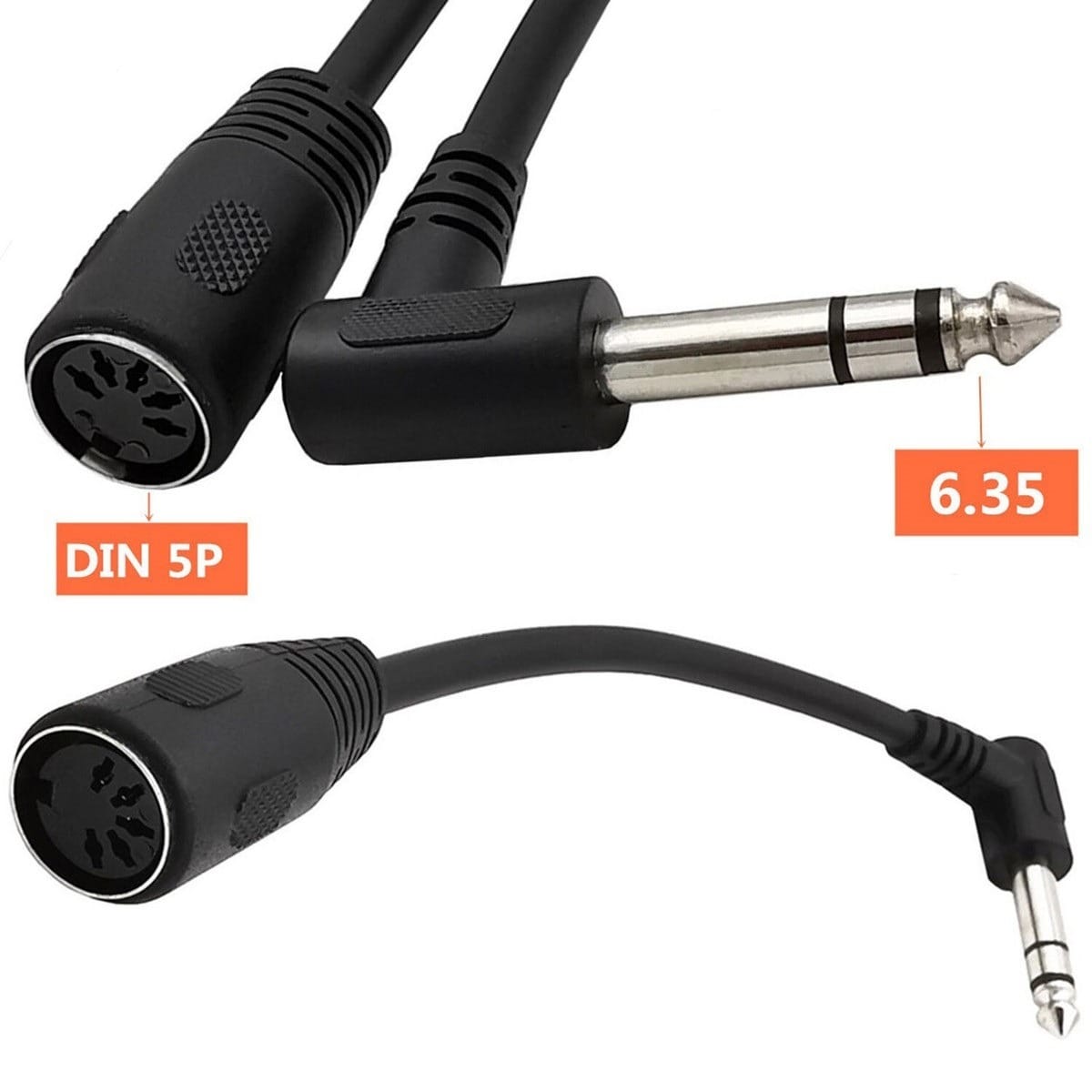
6.35mm (1/4″) to MIDI 5-Pin DIN Female Cable
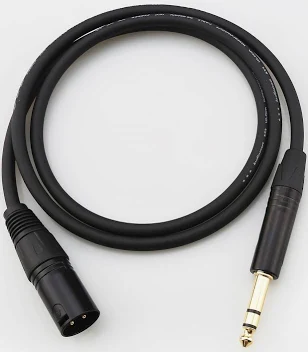
A 5 pin DIN MIDI female cable with a 6.35 mm plug on the other end: a connector adapter for gear that carries MIDI on a quarter inch jack.
Last updated: 13 September 2026
Overview
A 5 pin DIN MIDI female cable with a 6.35 mm plug on the other end is a connector adapter, and it is worth saying plainly what that means: there is no electronics in it. It works where the equipment genuinely presents MIDI on a quarter-inch jack, which a number of manufacturers did before the five-pin socket became standard, and where that jack is also used for footswitch, sync or control duties. It does not convert an audio output into MIDI data.
Key Specifications
| Connector A | 6.35mm (1/4 inch) male |
|---|---|
| Connector B | 5-pin DIN female |
| Wiring | Built to the pinout you send; no active conversion |
| Cable | Shielded multi-core |
| Jacket | PVC |
| Strain Relief | Molded at both ends |
| Function | Connector adapter for equipment carrying MIDI on a 1/4 inch jack |
| Build standard | Built and verified to your pinout and drawing |
The three pins that carry MIDI
On the five-pin shell only three pins are used. The interface is a current loop, not a voltage signal, which is why MIDI survives long runs and ugly wiring better than most people expect:
| Pin | Role | Note |
|---|---|---|
| 1 | Not used in the standard | Sometimes borrowed by a manufacturer for phantom power |
| 2 | Shield | Grounded at the source end; left open at the input to avoid a ground loop |
| 3 | Not used in the standard | Sometimes borrowed the same way |
| 4 | Current source | One side of the opto-isolated loop |
| 5 | Current sink | The return side of the loop |
Those assignments are the industry-standard MIDI 1.0 definitions, not our own invention. Your cable is built to the pinout you send and verified to it.
What happens if you wire it backwards
This is the question that comes up most, and the answer is reassuring. Because MIDI is a current loop driving an opto-isolator, the usual result of a miswired cable is that nothing happens at all: no notes, no clock, no damage. The failures you will actually see are:
- Input to input. Two MIDI inputs connected together pass nothing, because neither end sources current.
- Pins 4 and 5 swapped. The loop is reversed, the opto-isolator never lights, and the link is silent.
- Shield grounded at both ends. This one is real: it creates a ground loop, and the symptom is hum or intermittent data rather than silence.
- A quarter-inch audio output plugged into a MIDI input. Audio is not a current loop, so nothing is transmitted and no harm is done.
The phone connector on the other end is the same jack used for audio, which is exactly why the two get confused.
Identifying what your 1/4 inch jack actually carries
- Read the silk screen next to the jack. MIDI, sync, footswitch and CV are all printed differently on the panel.
- Check the manual or the rear panel legend. If it says MIDI, the jack carries the same signals as the five-pin socket.
- Note whether the jack is mono or stereo. A three-conductor jack can carry more than a two-conductor one, and the wiring differs.
- Confirm the direction. Is it an input or an output? That decides which pin goes where on the DIN end.
- Send us the pinout or the model and we will build to it rather than guess.
Fitting and verifying the link
- Connect the DIN end first, with both devices powered down.
- Seat the quarter-inch plug fully. A plug that is half out on a stereo jack can short contacts that are meant to be separate.
- Send a note from the source and watch for activity on the receiving device, not just a connection light.
- If nothing arrives, swap pins 4 and 5 before you suspect a fault. That is the single most common wiring error on this adapter.
- Check for hum with the shield as wired, then with it lifted at one end, if the link is noisy.
Typical Applications for This 5 Pin DIN MIDI Female Cable
- Vintage synths and drum machines that put MIDI on a quarter-inch jack
- Connecting older gear to a modern MIDI interface or patch bay
- Studio racks where a DIN socket is inaccessible and the run needs a jack end
- Footswitch and sync connections where the same shell is reused
- Replacement leads for equipment whose original cable is no longer available
How to specify your build
- Device model and what the jack carries.
- Pinout from jack to DIN, if you have it.
- Mono or stereo jack.
- Direction: which end is the source.
- DIN gender: female socket or male plug.
- Length.
- Quantity, and whether this is a prototype or a production order.
Workmanship and testing
Assembly and inspection follow IPC/WHMA-A-620 Class 3 workmanship criteria under our ISO 9001 quality management system, and every unit passes 100% continuity and pinout testing before it is packed. Conductor range is 32 to 12 AWG. Where the shield is specified as lifted at one end, that is built and verified as stated rather than assumed. MIDI pin functions quoted above are the industry-standard definitions; your assembly is built and verified to your drawing.
Custom builds and ordering
Prototype builds start from 5 pcs and ship in 3 working days; production orders start at MOQ 500 pcs and ship 14 working days after approval. New overmold tooling adds about 10 working days. OEM and ODM builds ship under your part number and labeling, with material certificates and first-article reports available on request.
Related MIDI and audio assemblies
MIDI setups usually need more than one of these:
- 5-Pin DIN Dual Right-Angle MIDI Audio Cable
- 4-Pin MIDI DIN Male to Female Extension Cable
- 6-Pin DIN Male to Male Dual Right-Angle Cable
- 3.5mm to MIDI 6-Pin DIN Audio Cable
- 6.35mm TRS 90 Degree Audio Cable
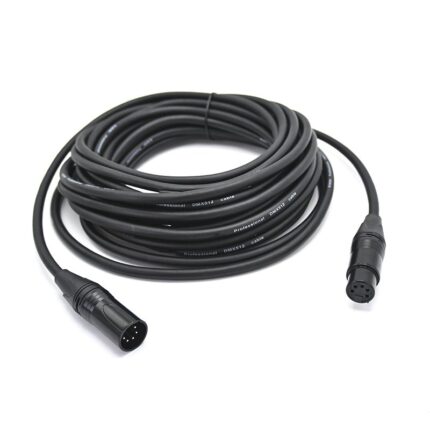
- DMX512 Lighting Cable with 3-Pin or 5-Pin XLR
- Turntable Tonearm Cable with DIN and Dual RCA Options
Full range: audio and video cable assemblies.
Questions Before You Order
Will this turn an audio output into MIDI?
No. It is a passive adapter with no electronics. It works only where the equipment already presents MIDI on the quarter-inch jack.
What happens if pins 4 and 5 are the wrong way round?
Nothing, and nothing is damaged. The opto-isolated current loop simply does not conduct, so the link is silent until you swap them.
Can you wire the shield lifted at one end?
Yes, and that is often the right call. Tell us on the order and we build and test it that way.
Male or female on the DIN end?
Either. This page is the female socket version; the male plug version is built the same way.
What is the minimum order?
Prototypes start from 5 pcs and ship in 3 working days. Production runs start at 500 pcs and ship 14 working days after approval.
| Connector A | 6.35mm (1/4 inch) male |
|---|---|
| Connector B | 5-pin DIN female |
| Jacket | PVC |
| Wiring | Built to the pinout you send; no active conversion |
| Cable | Shielded multi-core |
| Strain Relief | Molded at both ends |
| Function | Connector adapter for equipment carrying MIDI on a 1/4 inch jack |
| Build standard | Built and verified to your pinout and drawing |
Related products
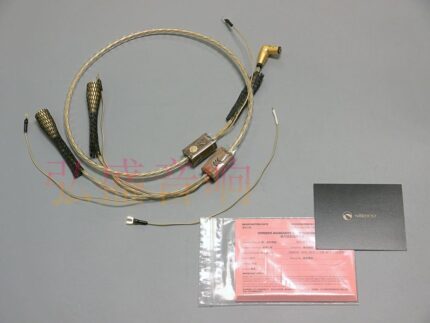
Turntable Tonearm Cable with DIN and Dual RCA Options
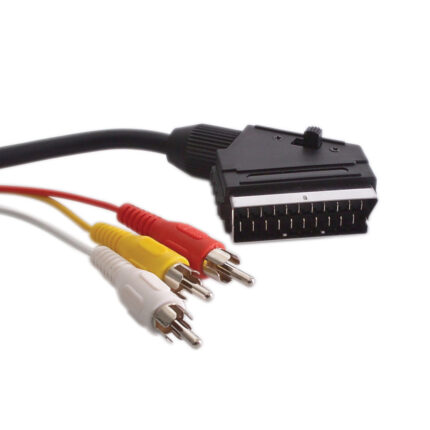
A turntable tonearm cable is the one link in a vinyl system where the wiring, the screening and the ground path are all audible. Built with DIN 5-pin or dual RCA ends, a separate ground spade and two shielding layers, to the pinout on your drawing. Send a photo of the back of the deck and we will match it.