Kenwood Vehicle Radio Power Cable, PG-2N / PG-3N / PG-4N
A replacement Kenwood radio power cable in the PG-2N, PG-3N or PG-4N connector style: 12 V DC, in-line fuse holder, polarity verified on every lead.
Overview
A kenwood radio power cable is a deceptively simple part: two conductors, a fuse and the right connector on the radio end. It also carries the full transmit current of the radio, so an undersized lead or a corroded fuse holder will cost you output power and, in the worst case, a melted cable. The PG-2N, PG-3N and PG-4N variants exist because the radios they fit use different DC connectors, so the first job is identifying which one your radio takes.
Key Specifications
| Cable Type | Radio Power Cable |
|---|---|
| Voltage | 12 V DC |
| Variant | PG-2N, PG-3N, PG-4N |
| Application | Kenwood Mobile / Amateur Radio |
| Polarity | Red positive, black negative, marked on the lead |
| Protection | In-line blade fuse holder on the positive run |
| Termination | Ring terminals, or bare tinned ends to order |
| Jacket | PVC standard; higher temperature jacket to order |
Which PG variant fits your radio
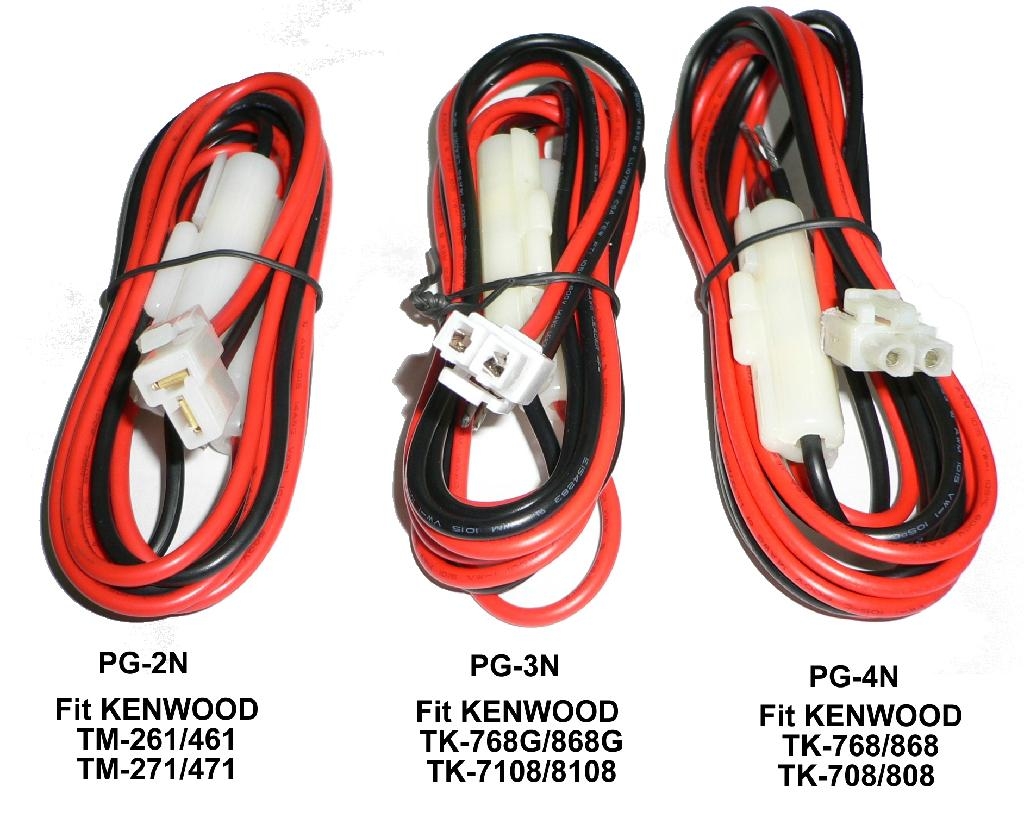
The three variants are mechanically different connectors, not different ratings. The families they are commonly used with are:
| Variant | Connector style | Commonly used with | Check |
|---|---|---|---|
| PG-2N | T-style two-pin DC connector | TM-261, TM-461, TM-271, TM-471 and similar | Fused on both leads on many builds |
| PG-3N | Later two-pin DC connector | TK-768G, TK-868G, TK-7108, TK-8108 and the G series | G series and non-G series differ |
| PG-4N | Earlier two-pin DC connector | TK-768, TK-868, TK-708, TK-808 and similar | Non-G series; confirm before ordering |
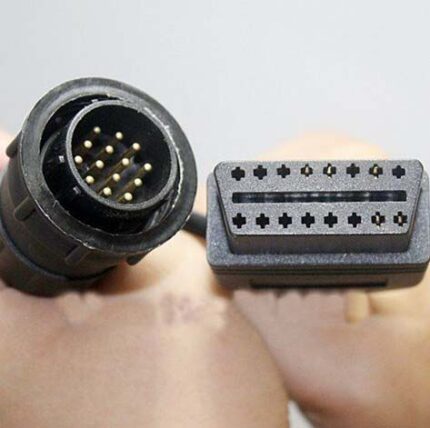
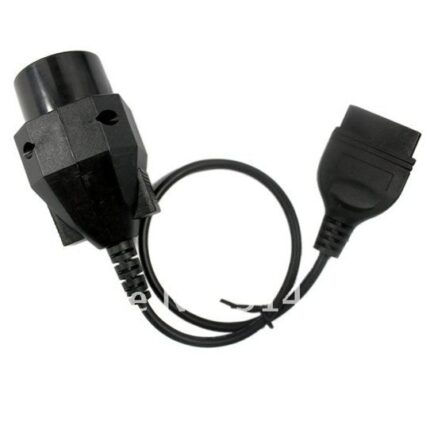
Those are the families these parts are commonly supplied for, not a guarantee from us about any particular radio. Confirm the connector on your unit against a photo before you order, and we build to the connector and pinout you name.
Polarity, fusing and conductor size
- Polarity. Red is positive and black is negative on these leads, and the radio end is keyed. Reverse polarity at the battery end will destroy the radio, so mark the leads before you disconnect anything.
- The fuse protects the cable, not the radio. That is why it sits near the battery end of the run. A fuse at the radio end leaves the whole length unprotected.
- Some builds fuse both leads. That is normal on certain mobile installations and worth keeping if the original had it.
- Conductor size matters more than people expect. A transmit current of 20 A over several meters needs a conductor that does not drop the supply voltage. State the radio and the run length and we will size it.
- Route away from the antenna feed. A DC lead running alongside coax is a well known source of noise on receive.
The amateur radio and mobile radio community has standard practice on all of this, and it is worth following rather than improvising.
Why the original lead fails
- Corroded fuse holder. Under-bonnet installations get damp and the blade fuse contact oxidizes, adding resistance and heat.
- Undersized ring terminals that were crimped rather than soldered, working loose at the battery.
- Chafing at the firewall grommet until the insulation wears through and the run shorts to the body.
- Voltage drop. The radio works but output power is down, and the cause is a lead that is too thin or too long.
- Heat. An engine bay run needs a jacket rated for it; standard PVC goes hard and cracks.
Fitting and verifying a replacement
- Disconnect the battery before you touch the existing lead.
- Identify the connector on the radio and confirm the variant before ordering.
- Measure the run, including the route through the firewall, and state it when you order.
- Fit the fused end at the battery first, so nothing is live until the radio end is connected.
- Reconnect and check the supply voltage at the radio while transmitting, not just on receive.
- Secure the lead along the route so it cannot chafe.
Typical Applications for This Kenwood Radio Power Cable
- Replacement DC lead for mobile and amateur radio installations
- Second lead so a radio can move between a vehicle and a bench supply
- Fleet and taxi radio installations where the lead is replaced at service intervals
- Rebuilding an installation where the original lead has been cut or extended
- OEM builds for equipment that uses the same DC connector style
How to specify your build
- Variant: PG-2N, PG-3N or PG-4N, confirmed against your radio.
- Length of the run, including the route through the bulkhead.
- Conductor size, or the radio model and current draw.
- Fusing: positive lead only, or both leads.
- Termination: ring terminals or bare tinned ends.
- Jacket: standard PVC, or a higher temperature jacket for engine bay runs.
- Quantity, and whether this is a prototype or a production order.
Workmanship and testing
Assembly and inspection follow IPC/WHMA-A-620 Class 3 workmanship criteria under our ISO 9001 quality management system, and every unit passes 100% continuity and pinout testing before it is packed. Conductor range is 32 to 12 AWG. Polarity is verified on every lead, because on a DC power cable a reversed build is not an inconvenience. Any rating quoted for the connector is the industry-standard value; your assembly is built and verified to the values on your drawing.
Every production run can ship with RoHS and REACH declarations and the electrical report agreed at quotation; see certifications and material declarations. UL styles and other named approvals are built to drawing: we source to the style you specify and document it, rather than asserting a listing we do not hold. This assembly is built on the four lines covered under cable assembly and wire harness production, with nothing in the build handed to an undisclosed subcontractor. More background: cable assemblies for automotive and EV. Tooling is quoted separately, cut in-house rather than brokered out, and owned by you.
Custom builds and ordering
Quote Kenwood Vehicle Radio Power builds from 1 to 50 pcs and they ship in 3 working days; at volume the minimum is 500 pcs with 14 working days after approval. Tooling not already held adds around 10 working days. OEM and ODM Kenwood runs go out under your part number and labeling and material certificates and first-article reports are on offer.
Related automotive power assemblies
A DC install usually needs one of these alongside the lead:
- Heavy-Duty Battery Power Cable with Ring Terminals
- Heavy-Duty Ring Terminal Battery Lead Cable
- Battery Cable Installation Kit with Terminal Clamps and Lugs
- 12V/24V Cigarette Lighter Power Cable
- OBD2 Dashcam Power Cable with Low-Voltage Cutoff
- DT Connector Pigtail Harness, 2/3/4-Pin Sealed Leads
- J1939 9-Pin Y Splitter Cable for ELD and GPS Trackers
Full range: automotive cable and wire harnesses.
Frequently Asked Questions
Which variant do I need?
PG-2N is commonly used with the TM-261, TM-461, TM-271 and TM-471 families; PG-3N with the G series TK-768G and TK-868G; PG-4N with the earlier non-G TK-768 and TK-868. Check the connector on your radio before ordering.
Is the red lead positive?
Yes, red is positive and black is negative. Check twice before connecting: reverse polarity will destroy the radio.
Where should the fuse go?
Near the battery end. The fuse protects the cable run, and a fuse at the radio end leaves the whole length unprotected.
Can I have a longer lead?
Yes, but say so when you order. Length increases voltage drop, and the conductor size may need to go up with it.
What is the minimum order?
Quote Kenwood Vehicle Radio Power builds from 1 to 50 pcs and they ship in 3 working days; at volume the minimum is 500 pcs with 14 working days after approval.
| Cable Type | Radio Power Cable |
|---|---|
| Voltage | 12 V DC |
| Variant | PG-2N, PG-3N, PG-4N |
| Application | Kenwood Mobile / Amateur Radio |
| Polarity | Red positive, black negative, marked on the lead |
| Protection | In-line blade fuse holder on the positive run |
| Termination | Ring terminals, or bare tinned ends to order |
| Jacket | PVC standard; higher temperature jacket to order |