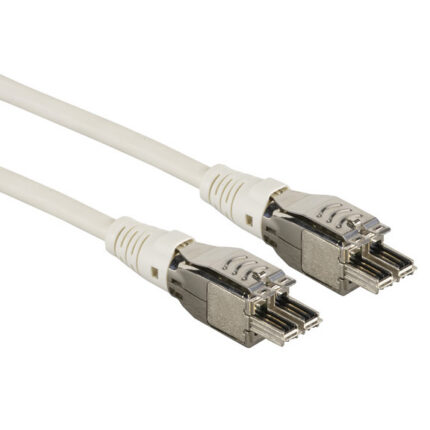
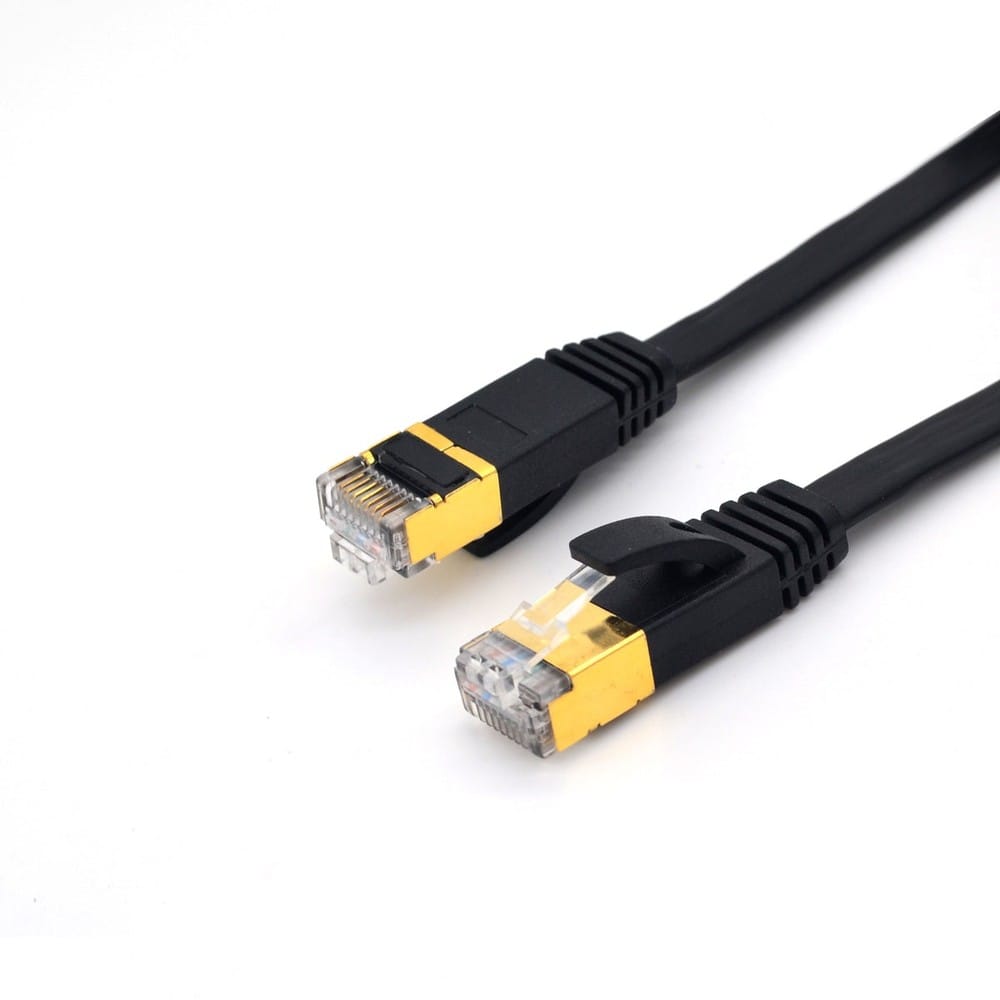
Cat7 SSTP Patch Cord
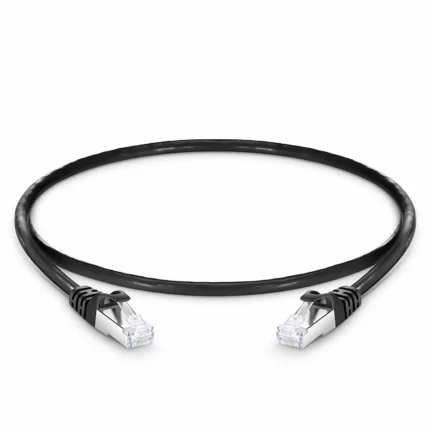
A cat7 sstp cord is the double-screened choice for industrial cells, broadcast racks and data centers: foil on every pair plus an overall tinned copper braid, 23 AWG solid copper, FR-LSZH jacket.
Overview
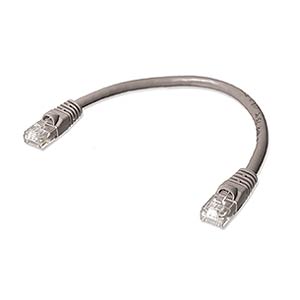
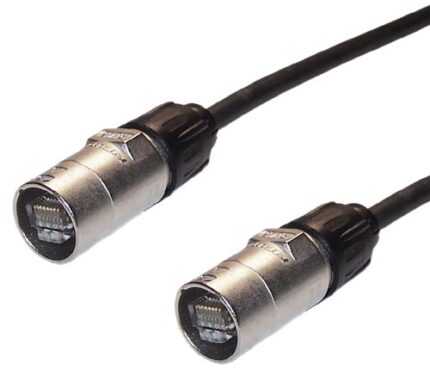
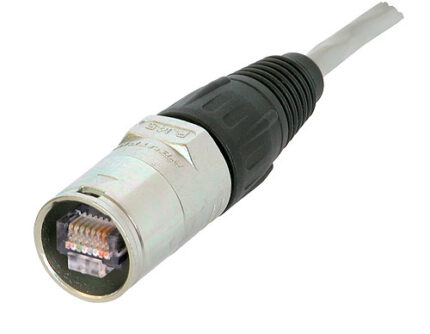
A cat7 sstp cord is what you reach for when a channel has to survive two things at once: high bandwidth and a hostile electromagnetic environment. Every pair carries its own foil screen, so the pairs stop interfering with each other as frequency climbs, and an overall tinned copper braid wraps the whole bundle at 60 percent minimum coverage, so outside interference stops getting in. A tinned copper drain wire runs the length of the cable to make the screen practical to terminate. Conductors are 23 AWG solid bare copper and the jacket is flame retardant low smoke zero halogen, which is the compound you want wherever the run shares a route with occupied space.
Key Specifications
| Cable Category | Category 7 (600 MHz) |
|---|---|
| Shielding | SSTP – foil per pair plus overall tinned copper braid |
| Conductor | 23 AWG solid bare copper |
| Pairs | 4 separately foil screened pairs |
| Braid Coverage | 60 percent minimum |
| Drain Wire | Tinned copper, 24 AWG |
| Jacket | FR-LSZH |
| Outer Diameter | 8.0 mm nominal |
| Insulated Conductor Diameter | 1.34 mm nominal |
| Minimum Bend Radius | 120 mm |
| Pulling Strength | 140 N maximum |
| Operating Temperature | -40 deg C to +70 deg C |
Reading the shielding code before you order
Shielding names in the trade are inconsistent, and the same cable gets sold under three different abbreviations. The ISO/IEC 11801 form is the one worth learning, because it states what is screened and how in two letters and a separator: the first position describes the overall screen, the second describes the screen on each pair.
| Code | Overall screen | Screen per pair | What it is good at |
|---|---|---|---|
| U/UTP | None | None | Office drops and benign environments; cheapest and easiest to terminate |
| F/UTP | Foil | None | Blocking external interference; widely sold as FTP |
| S/FTP | Braid | Foil | Both external interference and pair-to-pair crosstalk; the heavy-duty option |
| SF/UTP | Braid plus foil | None | Harsh external environments where pairs are not the problem |
By that convention the construction described here – foil on each pair plus an overall braid – is an S/FTP type, which is the same thing most vendors call SSTP. The important point is not the label but whether the screening is continuous through the plug, the cord and the panel. A screen that stops at one component is a screen that does nothing.
What Category 7 is, and what it is not
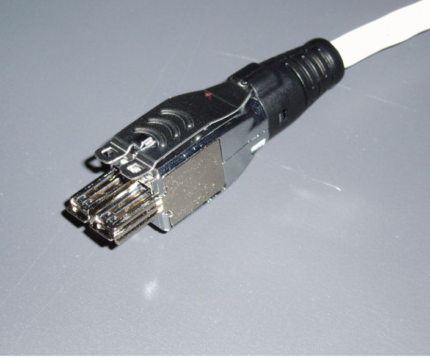
Category 7 is defined in ISO/IEC 11801 as Class F, with the channel specified to 600 MHz. Two points matter to buyers and both are routinely missed. The first is that the TIA side of the industry never adopted a Category 7: if your specification is written against ANSI/TIA-568, the categories it names stop at 6A. The second is that the Class F channel in the standard is defined with a non-RJ45 interface, while the cords actually sold and used in the trade are RJ45 terminated. Neither point makes the cable a bad choice; both mean you should write down what you are buying and what it has to interoperate with.
- Write the requirement as a channel performance target, not as a category name.
- Confirm the connector family on both ends before ordering.
- Confirm the acceptance test – permanent link or channel – before the install starts.
What is listed here for Cat7 SSTP builds is the industry-standard definition, not a measurement we took on a finished part. What your assembly is built and verified to is what your drawing states.
Bend radius and pulling tension: the two numbers installers ignore
Double screening makes a cable stiffer and heavier, and that has two consequences on site. The minimum bend radius of 120 mm is larger than an unshielded cord needs, and pulling tension is capped at 140 N. Exceed the bend radius and you deform the pair geometry at a point, which shows up as a return-loss fault that will not re-terminate away. Exceed the tension and you can stretch the conductors and change the impedance along the length.
- Use the bend radius as a routing constraint when you plan the tray, not as a warning on the box.
- Never pull on the plug or on the drain wire; pull on the cable body and support it along the route.
- Leave a service loop at the panel rather than pulling the run tight.
Where a cat7 sstp cord earns its cost
- Industrial Ethernet cells beside drives, inverters and switching equipment
- Broadcast, stage and pro AV racks with dense RF sources
- Data center runs where the cord shares a tray with power
- Machine vision and inspection cells with several GigE cameras on one switch
- Rail and rolling stock installations withmixed interference sources
- Any noisy plant where our Cat8 Ethernet Patch Cord is the next step up for short high-rate links
How to specify the build
- Length of each cord, and whether they are all the same.
- Connector family on both ends – RJ45 standard, others on request.
- Jacket compound – FR-LSZH as standard, or another for the environment.
- Color, and whether you need color coding per service.
- Acceptance test – channel or permanent link, and to which class.
- Quantity, and whether this is a prototype or a production order.
Workmanship and testing
Cat7 SSTP builds are assembled and inspected to IPC/WHMA-A-620 Class 3 criteria, with ISO 9001 as the quality system over 32 to 12 AWG work. 100% continuity and pinout are checked on every Cat7 unit before packing, and seal checking is quoted whenever an ingress rating is on the drawing.
Material declarations against RoHS and REACH are issued per project, alongside the dimensional and electrical reports agreed at quotation; see certifications, compliance and material declarations. Where your drawing names a UL style or another approval, the build follows your drawing and ships with the supporting document rather than a claim of our own. The strain relief and molded body are produced on tooling we cut ourselves see overmold tooling cut in our own tool room so the tool is quoted separately, owned by you, and available for repeat runs years later. The wider context is covered under our industrial automation work.
Custom builds and ordering
Cat7 SSTP prototype builds start from 1 to 50 pcs and are out in 3 working days. Production is quoted from 500 pcs at 14 working days after approval. Tooling not already held adds around 10 working days. Private-label Cat7 runs ship under your part number and labeling, and material certificates and first-article reports are available on request.
What is listed here for Cat7 SSTP builds is the industry-standard definition, not a measurement we took on a finished part. What your assembly is built and verified to is what your drawing states, confirmed against the supplier datasheet before a quote goes out.
Related Ethernet patch cords
- Cat7 S/FTP Patch Cord, 600 MHz, TERA / GG45
- Cat8 Ethernet Patch Cord, S/FTP 22 AWG
- Cat6A Shielded Patch Cord, S/FTP 26 AWG, 500 MHz
- Cat6 S/FTP Shielded RJ45 Patch Cord
- Cat6A M12 X-Coded Patch Cord, 8-Pin M12 to RJ45
- ix Industrial Cat6A Patch Cord
Full ranges: Ethernet patch cords and signal and data cables.
Frequently Asked Questions
Do I need shielded patch panels as well?
Yes, if you want the screen to do anything. The shield has to be continuous from plug to plug, so the cord, the panel and the equipment leads all need to be shielded and the installation needs a ground path.
Is Cat7 backward compatible with Cat6A gear?
Physically yes, at the RJ45 interface. The performance you get is set by the weakest component in the channel, so a Cat7 cord in a Cat6A channel performs as Cat6A.
Why is the cord so stiff?
Two screens and 23 AWG conductors. That is the price of the performance; plan the bend radius into the routing rather than fighting it at install time.
Can I get it in another jacket compound?
Yes. FR-LSZH is standard here, and other compounds are available where the environment or the local code calls for them.
| Cable Category | Category 7 (600 MHz) |
|---|---|
| Shielding | SSTP – foil per pair plus overall tinned copper braid |
| Conductor | 23 AWG solid bare copper |
| Pairs | 4 separately foil screened pairs |
| Braid Coverage | 60 percent minimum |
| Drain Wire | Tinned copper, 24 AWG |
| Jacket | FR-LSZH |
| Outer Diameter | 8.0 mm nominal |
| Insulated Conductor Diameter | 1.34 mm nominal |
| Minimum Bend Radius | 120 mm |
| Pulling Strength | 140 N maximum |
| Operating Temperature | -40 deg C to +70 deg C |