A custom cable assembly RFQ is only as good as the detail in it. Two buyers can ask for the “same” harness and get quotes that differ by 40% — not because one supplier is padding the number, but because each one filled the silence with a different set of assumptions about wire gauge, shielding, test scope and quantity. The cheapest way to a price you can plan around is to remove the assumptions before the cable assembly RFQ goes out.
This is the checklist we work from when a first inquiry lands. It is written for engineers and purchasers who may not have a drawing yet: a sample, a photo and a part number are usually enough to start a real conversation.
Start with the interfaces
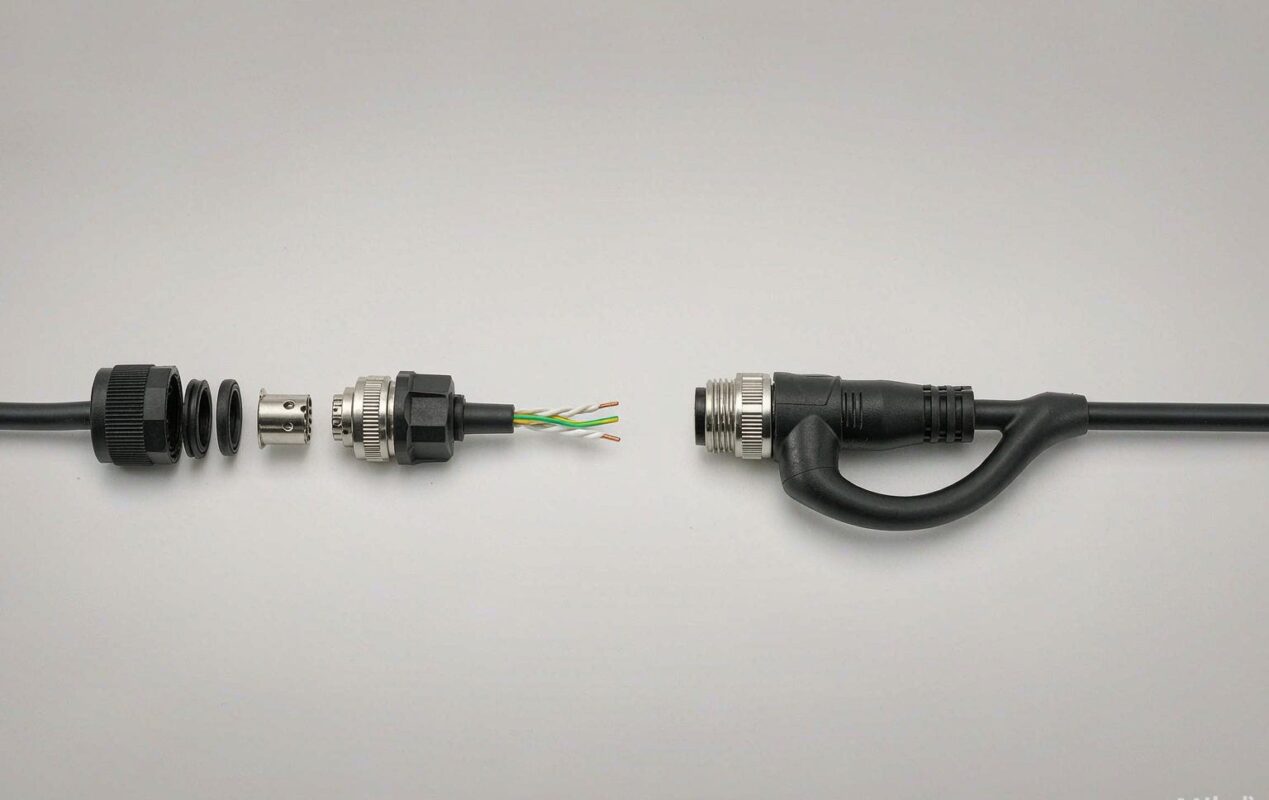
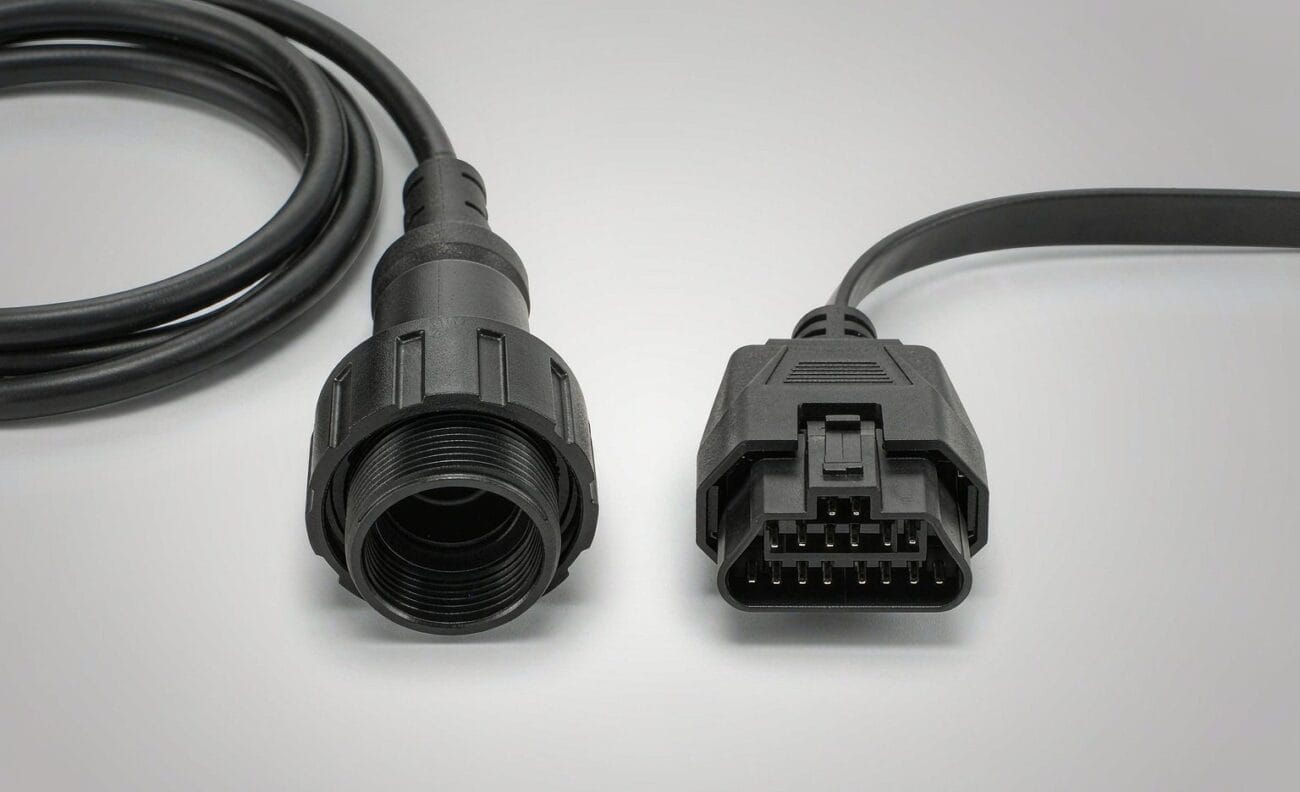
Identify both ends of the assembly, the mating parts, keying and any panel geometry. A sample or manufacturer part number is useful when a formal drawing is not available.
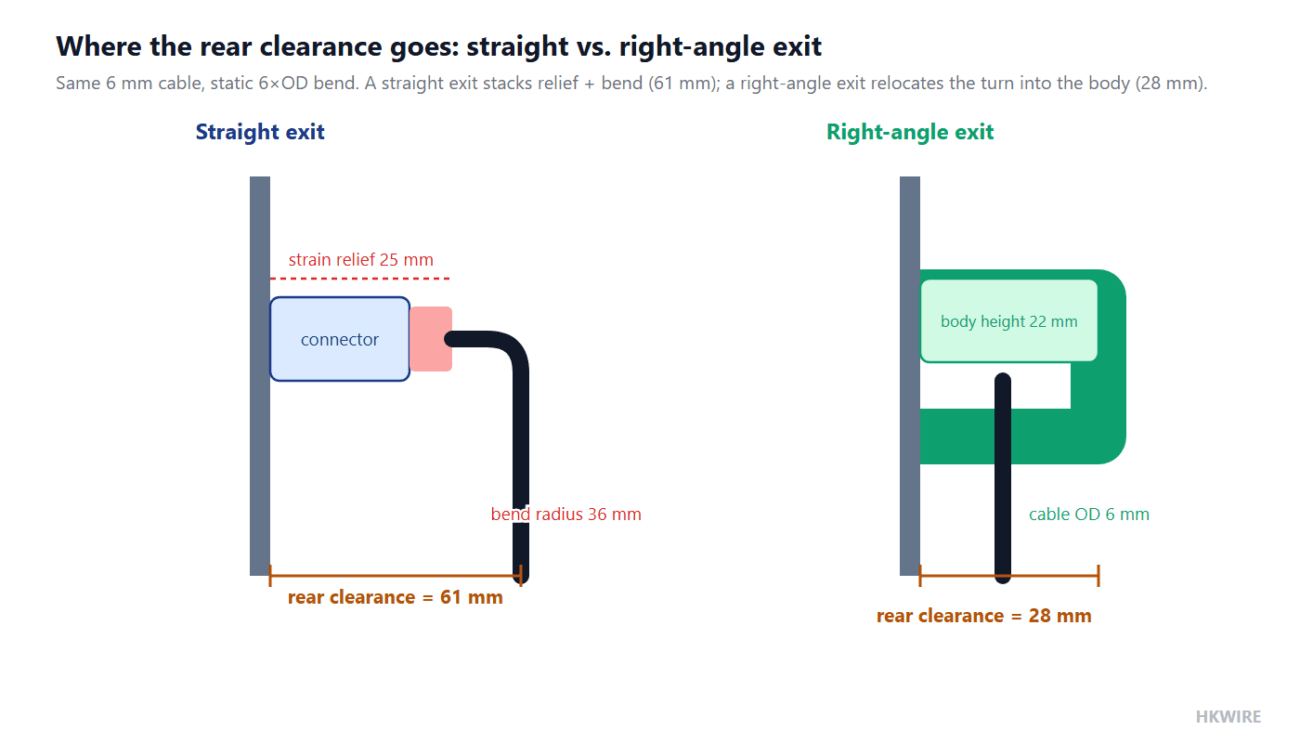
Work from the ends inward. Panel geometry is the detail most often skipped, and the one that causes the most rework: a right-angle overmold that clears everything in free air can foul a bracket once the panel thickness and the neighboring connectors are taken into account. If the assembly replaces something that already exists, a photograph of it installed is worth more than a paragraph of description.
Both ends. Connector part numbers, mating halves, keying and orientation.
Retention. Latch, screw-lock, bayonet, or friction fit only.
Existing evidence. A sample, an installation photo, or the previous supplier’s part number.
Define the circuit
Provide pinout, conductor count, wire gauge, current or signal requirement, shielding need and cable length. Mark any detail that is still provisional.
The circuit is where ambiguity hides. “4-pin cable” tells a supplier almost nothing. “4 × 24 AWG, straight through, pins 1–2 power at 2 A, pins 3–4 signal, overall foil shield with drain terminated to the shell” tells them everything. If a detail is still under discussion, flag it as provisional rather than leaving it out — a flagged unknown starts a conversation, a missing one starts an assumption.
Pinout or netlist, including which pins carry power and which carry signal.
Conductor count and AWG; conductor material too, if tinned versus bare copper matters.
Voltage and current per circuit, or bandwidth for data pairs.
Shielding: none, foil, braid, or both — and where the drain terminates.
Overall length, and how much variation is acceptable.
Describe the application
Explain motion, routing, bend, temperature, ingress, chemicals and expected duty cycle. These conditions can change jacket, overmold and strain-relief decisions.
Environment drives material selection more than anything else on the drawing. A harness that sits inside a control cabinet and one that runs across a robot arm are not the same product, even with an identical pinout. Tell us what the cable will touch, how often it will move, and what happens if it fails in service.
Motion. Static, occasional flexing, continuous drag chain, or torsion.
Temperature. The peaks, not just the average — including cold-start and nearby heat sources.
Ingress. Dust, washdown, temporary immersion, or a specified IP rating.
Regulatory. UL or CSA, RoHS and REACH, LSZH, plenum or riser rating.
State acceptance and quantity
Include prototype quantity, forecast volume, test needs, required documents and packaging expectations. This gives suppliers a consistent quotation basis.
Quantity and acceptance belong in the same breath, because the sensible test scope changes with volume. A five-piece prototype run is normally verified with a continuity and pinout check plus visual inspection. A fifty-thousand-piece program justifies a dedicated test fixture and 100% electrical verification on every unit. Give both numbers and the test scope can be quoted to match each.
Prototype quantity now, and expected annual volume.
Test requirements: 100% continuity and pinout, insulation resistance or hipot, crimp pull force.
Documents: first article report, material certificates, RoHS statement, certificate of conformance.
Packaging: bulk, individually bagged, labeled, or retail-ready.
Target delivery date and preferred Incoterm.
Cable assembly RFQ completeness checker
Tick what your inquiry already covers. It takes about 30 seconds and tells you whether the first reply you get will carry a price or another round of questions.
0 of 10 covered Tick the items your inquiry already answers.
Nothing is uploaded or sent from this page. Your ticks are stored only in this browser.
A copy-paste cable assembly RFQ template
If you would rather not write prose, paste this into an email and fill in what you know. Anything marked optional can wait until we ask.
Both ends: connector part numbers, mating parts, or photos.
Pinout or netlist (optional — we can map it from a sample).
We reply within one working day. The first reply is usually not a price — it is the list of engineering questions that would otherwise become assumptions: the cable exit angle, the strain-relief length, whether a specified connector is available on a lead time that threatens your schedule. Once those are settled, the quote comes back with the build definition we will manufacture to, the test scope we recommend, and a lead time we can hold.
Prototypes are built on production tooling by production operators, in 3 working days. Production follows in 14 working days after sample approval, and a new overmold tool adds about 10 working days. Minimum order quantity is 500 pcs per part number for production runs; prototypes and engineering samples are built from 1 to 50 pcs, whatever the program actually needs. Workmanship is held to IPC/WHMA-A-620 Class 3 criteria unless your drawing says otherwise.
Cable assembly RFQ FAQ
Do I need a formal drawing to get a quote?
No. A physical sample, a photo of the installed part, or the previous supplier’s part number is enough to start. We measure the interface, map the pinout and send it back for you to confirm before anything is quoted — see sample reverse engineering.
What is the minimum order quantity?
500 pcs per part number for production runs. Prototypes and engineering samples are built from 1 to 50 pcs, sized to what the program actually needs; prototyping and first article explains what you receive with them.
How quickly will I get a price?
One working day for the first response. If every detail on the checklist above is present, that first response is normally the quote as well.
Will you sign an NDA before I send files?
Yes. Send the NDA with the inquiry, or ask for ours. Drawings stay on our servers, and tooling cut for your program is never used for another customer’s build.
Next step: send a drawing, a BOM or one sample and we will come back with the questions, the test scope and a lead time. See how a build-to-print inquiry runs from start to finish, or request a production review.
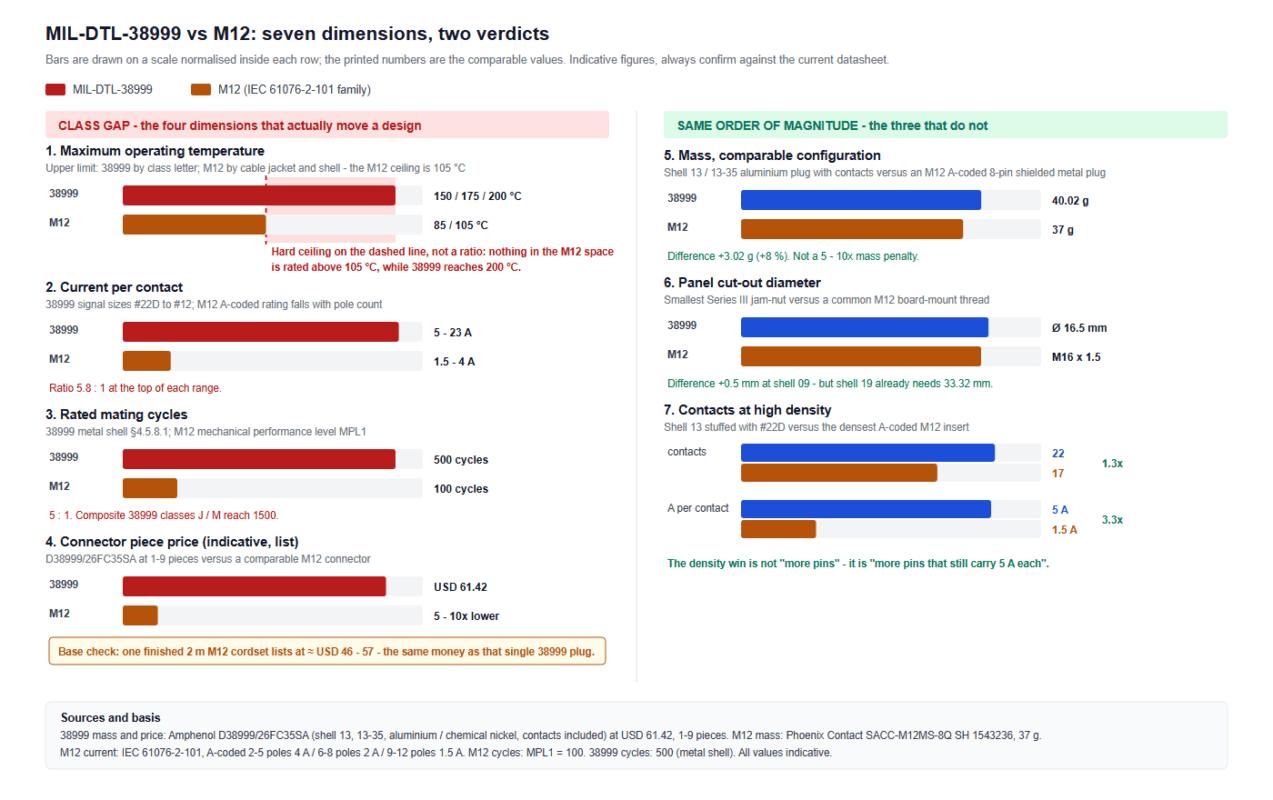
MIL-DTL-38999 vs M12 compared across seven dimensions: only four are separated by a class. Current ratings, temperature, mating cycles, mass and the base trap in price comparisons.
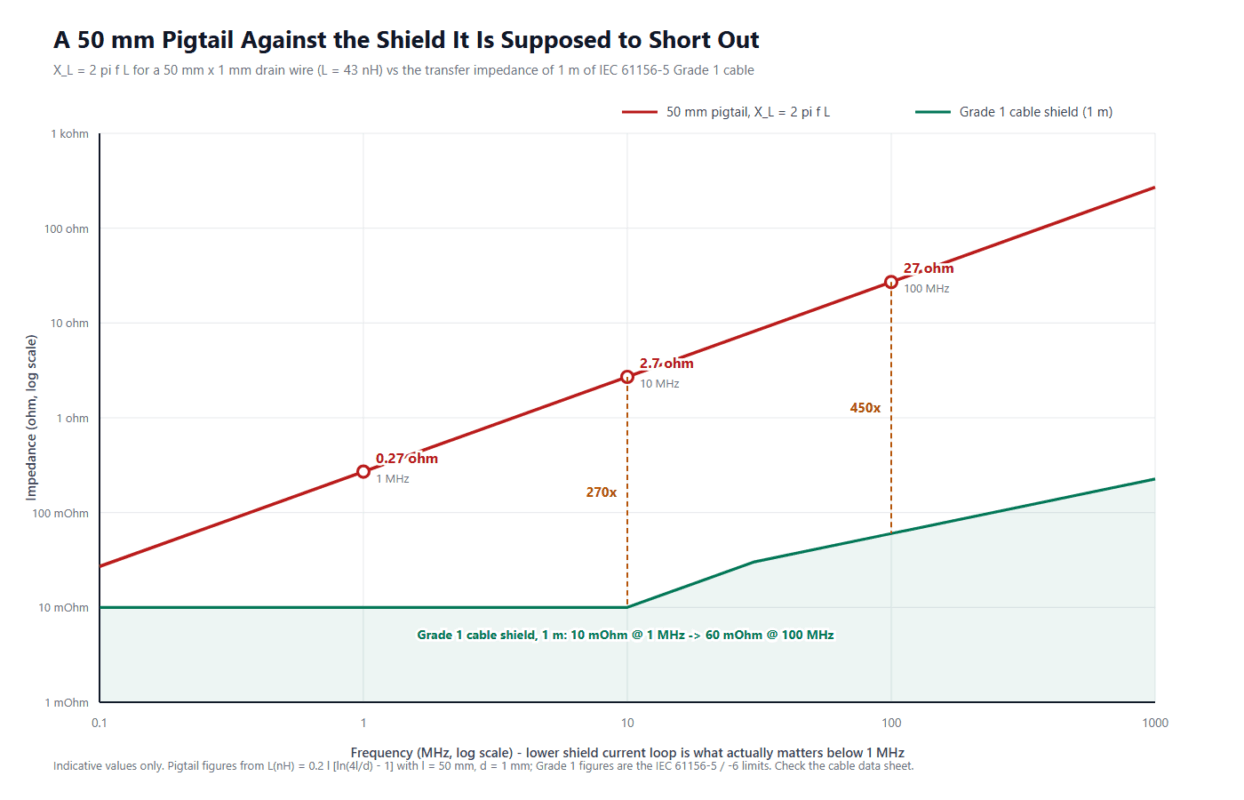
Shielded vs unshielded cable: a 50 mm pigtail adds 43 nH and 27 ohms at 100 MHz, while a Grade 1 cable shield is under 60 milliohms per metre. NASA measured 30 dB.
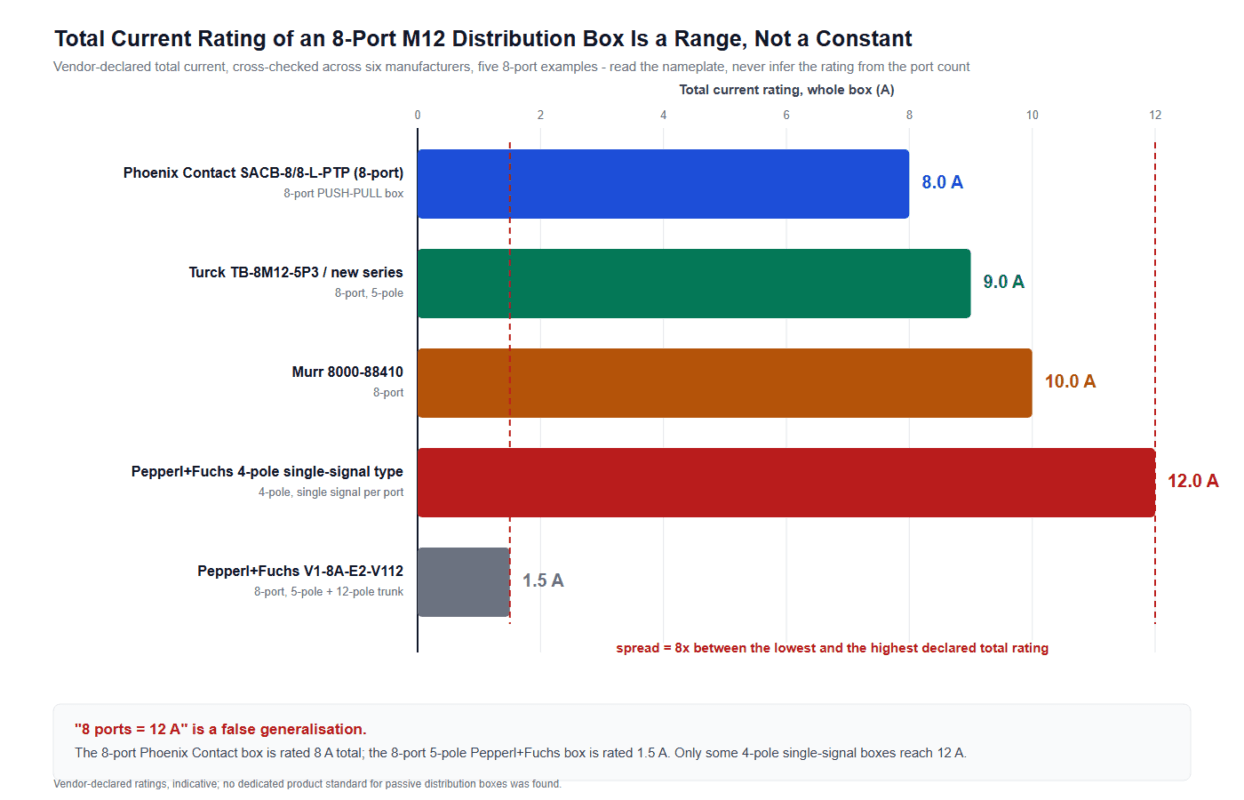
M12 distribution box selection: total ratings range from 8 A to 12 A across six vendors, and a 10 m trunk on 0.75 mm2 drops 4.16 V at 8 A, below the 20.4 V floor.