Leak Detection Harness for Data Center CDU and Rack Manifolds
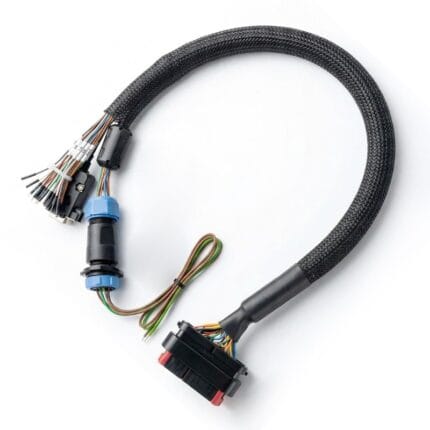
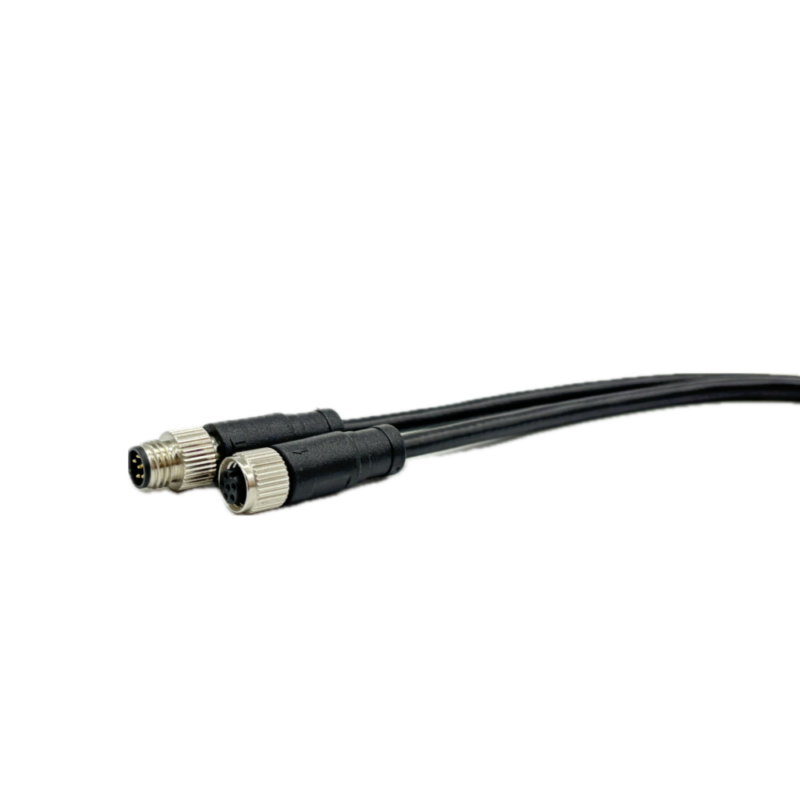
A leak detection harness for data center CDU units, rack manifolds and underfloor loops, built to your pinout and zone numbering. Small outer diameter for pipe-side routing, jacket selected against the fluid in your loop, and markers at both ends.
Last updated: 13 September 2026
Overview
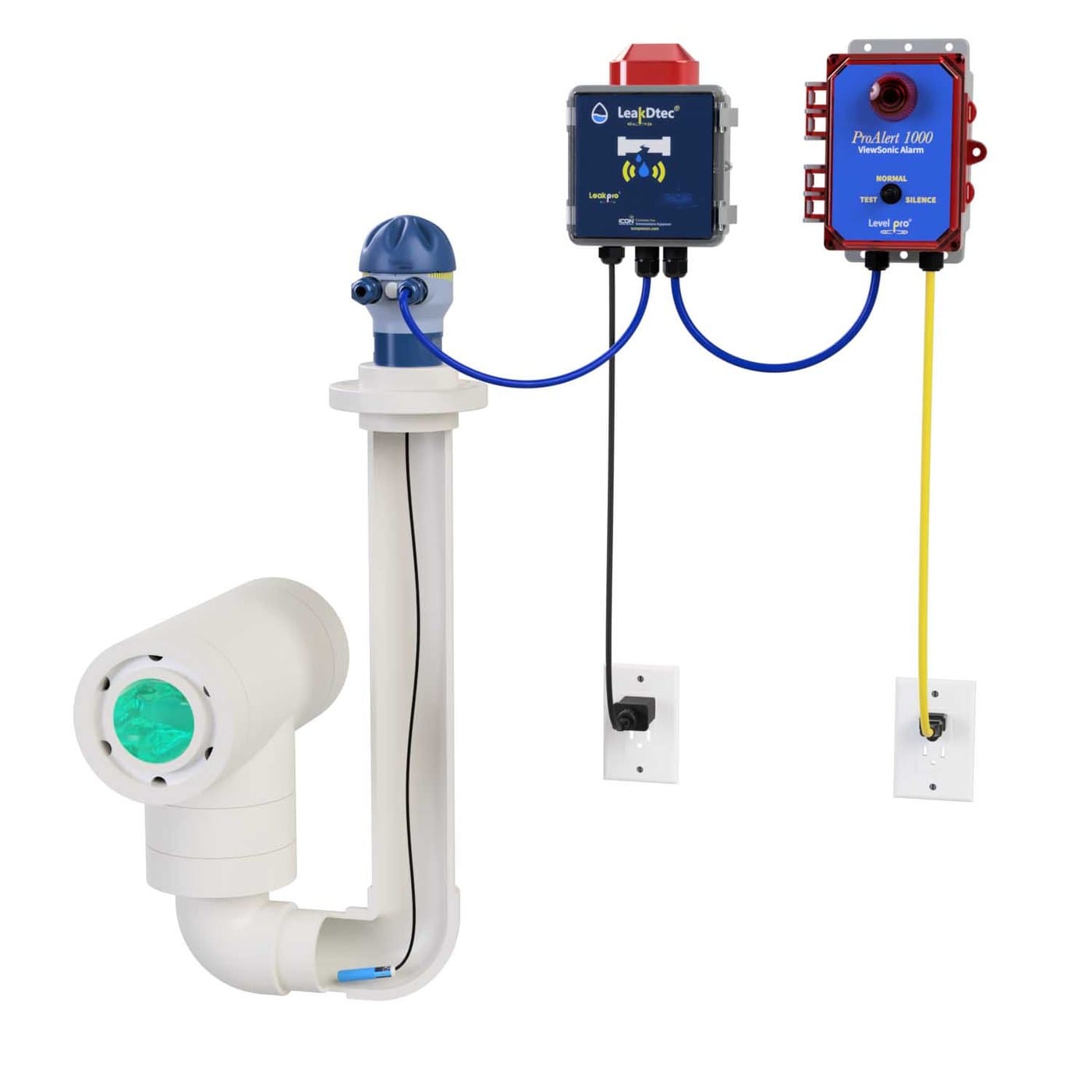
Liquid cooling moved the risk on a data hall floor from the power bus to the pipework. A coolant distribution unit, a rack manifold, a quick disconnect at the cold plate and an underfloor loop all need sensing wiring that is small enough to route along a pipe, robust enough to survive a service aisle, and chemically compatible with the fluid actually in the system. A leak detection harness is built to your pinout for exactly that job, and the thing that decides whether it is useful is not the cable at all, it is where the sensing points sit.
Key Specifications
| Build Type | Build to drawing or build to sample |
|---|---|
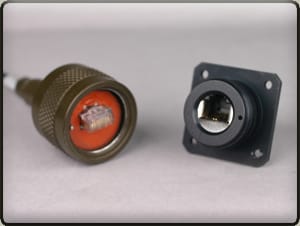
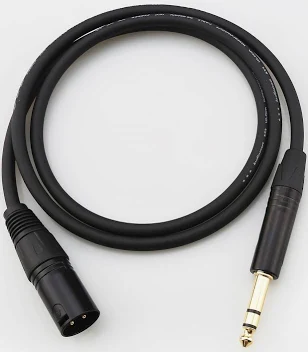
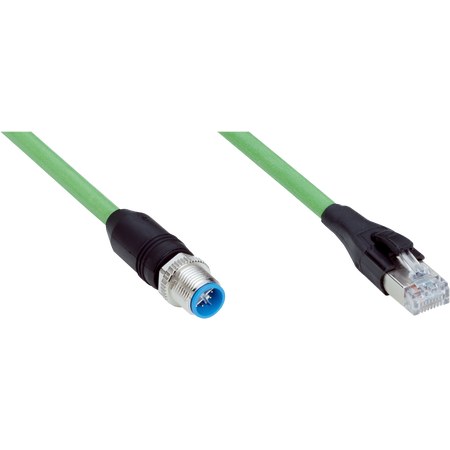
| Connector Options | Two-pin, M8 or M12, to a flying lead |
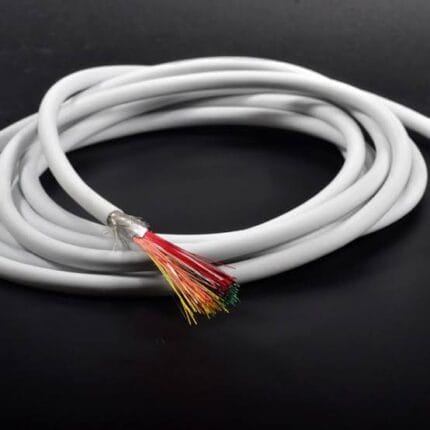
| Cable Diameter | Small outer diameter for pipe-side routing, per drawing |
| Bend Radius | Minimum radius stated per drawing |
| Coolant Compatibility | Glycol mixes and dielectric fluids, material per your specification |
| Lengths | 1, 2, 5, 10 and 20 m, or cut to the route length |
| Identification | Printed markers matched to rack and zone numbering |
| Testing | 100% continuity, insulation resistance, dimensional check |
A sensing lead is only as good as the place it is laid. These are the positions that come up on almost every liquid cooled hall:
| Location | Why it is monitored | What to watch when building |
|---|---|---|
| CDU floor and drip tray | The first place a fitting weeps | Keep the lead out of standing fluid unless the material is rated for it |
| Rack manifold inlet and outlet | The most handled connection in the hall | Route so pulling a rack does not snag the lead |
| Under the cold plate quick disconnect | A coupling that is made and broken repeatedly | Short service loop so the lead is never the strain member |
| Underfloor loop low points | Fluid collects at the low point, not at the leak | Exact length matters; a lead that hangs gets walked on |
| Room perimeter and door thresholds | Catches fluid migrating out of the zone | Marking matters more here than anywhere else |
A cable placed at the wrong end of a drip tray gives a correct alarm from the wrong place, which during an incident is worse than no alarm at all.
Location accuracy is usually blamed on the controller. In practice it is set by five much more ordinary things:
| What the accuracy depends on | Effect on the alarm | Practical note |
|---|---|---|
| Zone numbering on the lead | How far a technician has to walk to find it | Print the rack and zone at both ends; it costs nothing |
| How many zones one controller covers | Fewer zones means a larger area to search | A layout decision, but the harness has to match it |
| Sensing element length per zone | Longer zones give coarser location | Stated per your design, not chosen by us |
| Marker spacing along the run | Whether the location can be read without a printout | We print to your numbering scheme |
| Lead routing against the pipe | A lead routed away from the fluid path reports late | Route with the pipe, not merely near it |
We can build any of these, but we will not pick them for you. Give us the zone plan and we build the loom that matches it.
Coolant compatibility
The fluid in the loop decides the jacket, and it is rarely plain water. Glycol mixes and dielectric fluids behave differently against jacket and overmold materials, and the concentration in your loop is not the concentration in everyone else is. Tell us what is actually in the system, including any inhibitor package, and we will select against it and put the material on the drawing. Where you already have a qualified material, name it and we source to it. In a dense data center hall this matters more than it sounds, because one hall usually ends up with two or three different loops over its life.
Routing and bend radius
These leads normally run alongside a hose or a pipe, so the minimum bend radius matters more than on a straight tray run. Give us the tightest bend on the route and we will select a construction that holds it without kinking, and we will put the figure on the drawing rather than leaving it to whoever installs the rack. A small outer diameter helps here, but a cable too small to be seen is a cable that gets cut during service, so there is a practical floor.
Terminations and labeling
Connector style follows the sensing system you have already selected; send the mating part number and we terminate to it. Every lead carries a printed marker at both ends matched to your rack and zone numbering, so a triggered alarm can be traced to a location without a multimeter and without a spreadsheet.
Typical applications for this leak detection harness
- Coolant distribution unit floors and drip trays
- Rack manifold inlet and outlet sensing
- Cold plate quick disconnect monitoring
- Underfloor and perimeter detection loops
- Retrofit sensing leads in an existing hall, built from a sample
Testing and documentation
- Continuity check on every conductor, 100% of harnesses
- Insulation resistance measured and recorded against the serial number
- Dimensional check of length and breakout positions
- Material declarations supplied with the shipment for your compliance file
Workmanship and ordering
The line works to IPC/WHMA-A-620 Class 3 under ISO 9001, terminating 32 to 12 AWG. Every unit gets a continuity and pinout test before it is packed. Seal checking on the production batch is available when an ingress rating is in the specification.
Prototype quantity starts at 5 pcs with a 3 working day turnaround, and production starts at MOQ 500 pcs shipping 14 working days after approval. Where a new tool is needed, allow about 10 working days. We ship OEM and ODM builds under your part number and labeling, and can provide material certificates and first-article reports.
Frequently Asked Questions
How accurate is the leak location?
It depends on your zone layout and the sensing element length per zone, both of which come from your design. What we control is the marking, so the alarm can be traced to a rack without a printout.
Can you build to our existing sensing system?
Yes. Send the mating part number, or a photograph of the connector, and we terminate to it.
Is the jacket compatible with dielectric fluid?
Tell us which fluid and which inhibitor package and we will select against it, or build with a material you have already qualified.
What is the prototype quantity?
5 pcs minimum for prototypes, shipping in 3 working days. Production runs of 500 pcs and up ship 14 working days after approval.
Related assemblies
- Liquid Leak Sensing Cable Pigtail for CDU and Rack Manifolds
- M8 Leak Detection Pigtail for CDU and Manifold Sensing
- BMS Communication Harness for CAN and RS-485 Battery Rack Links
- IP67 2-Pin Waterproof Connector Cable
- M8 3-Pin A-Coded Circular Connector Sensor / Actuator Cable
- Energy Storage Cabinet Wiring Harness
Full range: Custom Wire Harnesses.
| Build Type | Build to drawing or build to sample |
|---|---|
| Connector Options | Two-pin, M8 or M12, to a flying lead |
| Cable Diameter | Small outer diameter for pipe-side routing, per drawing |
| Bend Radius | Minimum radius stated per drawing |
| Coolant Compatibility | Glycol mixes and dielectric fluids, material per your specification |
| Lengths | 1, 2, 5, 10 and 20 m, or cut to the route length |
| Identification | Printed markers matched to rack and zone numbering |
| Testing | 100% continuity, insulation resistance, dimensional check |