Hydrogen Electrolyzer Cable Harness with HVIL for High-Temperature Stacks
A hydrogen electrolyzer cable harness with the interlock loop routed as its own circuit, built to your drawing for stacks, compressors, dryers and hydrogen station support wiring. Silicone in the hot zones and two-shot overmolded transitions at every exit. Send a drawing or a sample.
Last updated: 13 September 2026
Overview
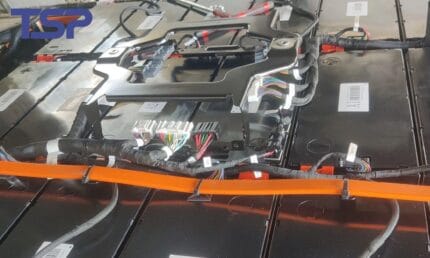
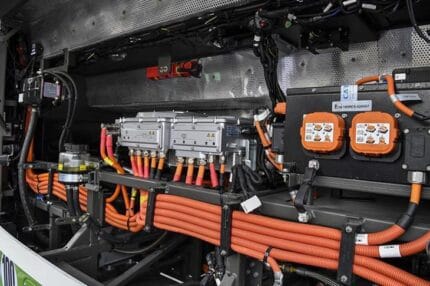
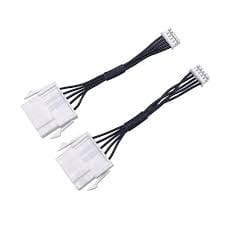
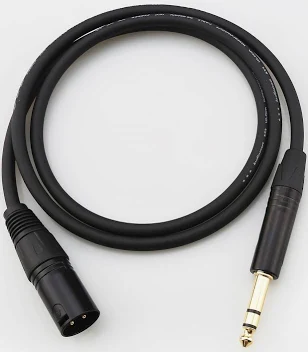
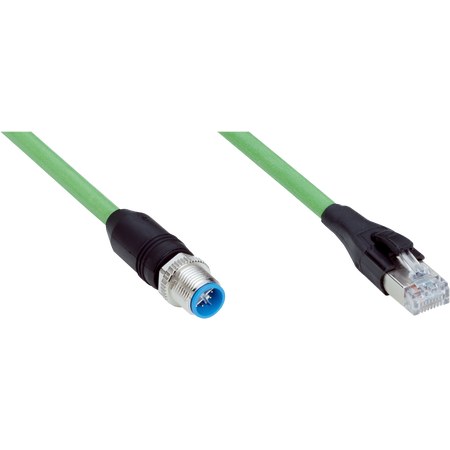
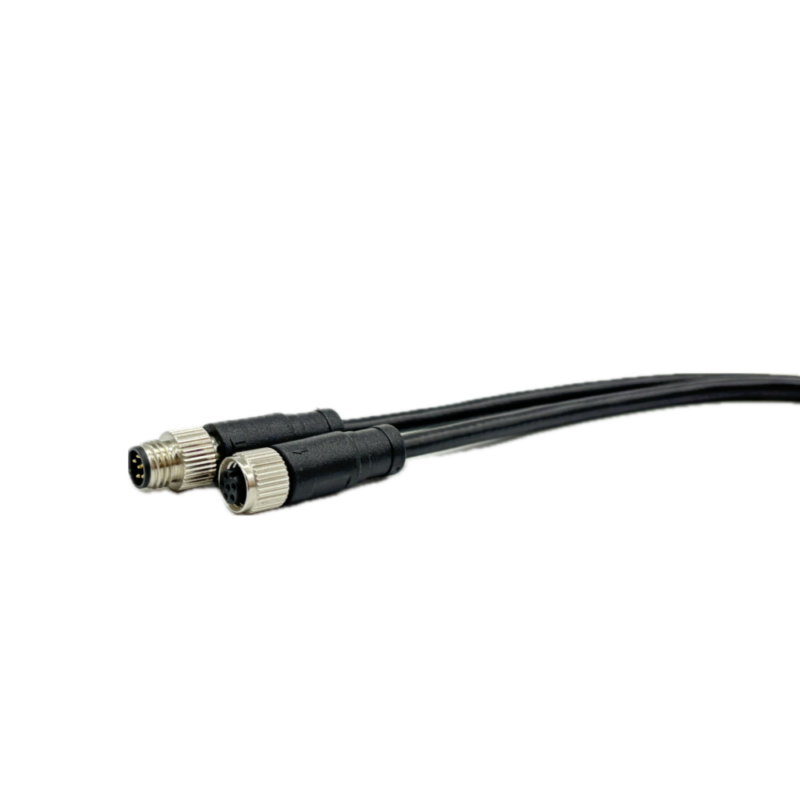
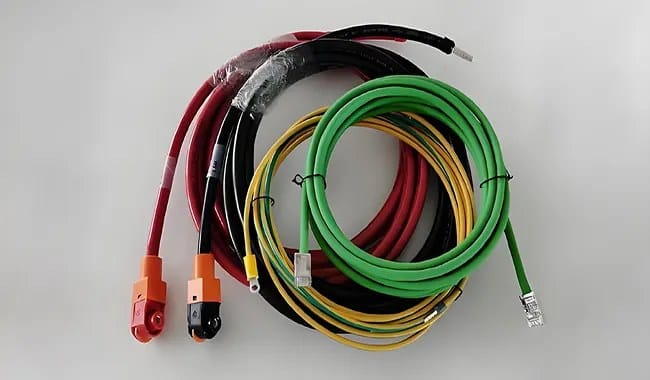
An electrolyzer stack asks a cable assembly to survive three things at the same time: high direct current, elevated temperature, and water that is either caustic or deionized, in a plant where part of the route may sit in a hydrogen enriched atmosphere. A hydrogen electrolyzer cable harness built for that has to be designed around the environment first and the current second. We build stack power feeds, cell voltage monitoring, compressor and dryer auxiliary circuits, and hydrogen station support wiring to your drawing, and we route the high voltage interlock loop as its own circuit rather than splicing it into a power leg.
Key Specifications
| Build Type | Build to drawing or build to sample |
|---|---|
| Voltage Class | Stated per your drawing; we do not publish a rating of our own |
| Insulation and Jacket | Silicone for hot zones; alternatives where the route leaves them |
| Conductor | Class 5 flexible tinned copper |
| Interlock | HVIL loop routed as its own circuit |
| Protection | Optional corrugated armor or conduit |
| Sealing | Two-shot overmolded transitions |
| Testing | Continuity, dielectric withstand, insulation resistance, pull test |
Hot, wet and carrying current
This is not a standard industrial environment. Water electrolysis plant runs hot and wet at the same time as it runs at power, and the two ends of a single route can sit in very different conditions: a hot zone against the stack, then an ambient zone across a skid and into a cabinet. The mistake we see most often is one material specified for the whole run. We map the route zone by zone against the temperature and the chemistry and put the change point on the drawing, so the expensive material goes where it is needed and nowhere else.
The interlock loop is the part of the harness that has to fail safe, so it gets treated differently from everything else in the loom:
| How the loop is built | Why | How it is verified |
|---|---|---|
| Routed as a separate circuit | A fault in a power leg must not silently disable the interlock | Continuity on the loop, recorded per serial number |
| Its own connector positions | The loop has to open first and close last | Mate and unmate sequence checked on the first article |
| Not spliced into a power leg | Keeps the interlock independent of the power conductor condition | Visual and electrical inspection at every joint |
| Marked and identified distinctly | Service technicians need to find it without a printout | Marker check against the drawing before release |
| Topology stated on the drawing | Series or parallel is a system design decision | Built as stated, not chosen on the line |
We do not decide the topology. Series or parallel, and how the controller detects the break, belong to your system design and go on the drawing.
Materials and sealing along the route
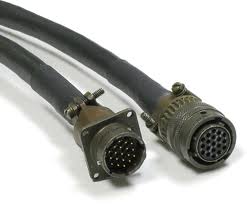
Silicone insulation and jacket suit the hot part of the route. Where the run leaves the hot area we switch to a material that costs less and handles abrasion better, and we put the change point on the drawing rather than leaving it to whoever builds the skid. Connector transitions are overmolded in two shots so the strain relief and the seal are separate functions doing separate jobs. Where the plant uses vapor phase cleaning, ozone treatment or an aggressive cleaning agent, that is a material conversation we have before quoting rather than after delivery.
Mechanical protection
Where the loom crosses a walkway or leaves a cabinet we add corrugated conduit or armor. Where it runs against a frame edge we sleeve locally rather than armoring the whole loom, because protection you do not need is weight and cost you still carry. Clamp spacing and the support method come from your drawing, and if the route has a section with nothing to clamp to, we flag it before the build rather than shipping it and hoping.
An important boundary
Whether an assembly may be installed in a hazardous area is decided by the complete installation, not by the cable alone. Any explosive atmosphere approval depends on the enclosure, the termination method, the associated apparatus and the scope of the assessment carried out on the finished machine. We will supply the construction data, the material declarations and the test results you need for that assessment, and we will not state an approval our part has not been assessed for. The same applies to a temperature class or a gas group: those are properties of the installation, and we quote to the requirements you name.
Typical applications for this hydrogen electrolyzer cable harness
- Stack power feeds and cell voltage monitoring
- Compressor, dryer and purification skid auxiliary circuits
- Fuel cell vehicle high voltage links
- Hydrogen refueling station support wiring
- Pilot plant and test rig looms built to the same drawing
Testing
- Continuity and polarity on every power and interlock circuit
- Dielectric withstand test at the voltage stated on the drawing
- Insulation resistance recorded against the serial number
- Pull test on terminations and overmold retention checks
Workmanship and ordering
Every build is assembled and inspected to IPC/WHMA-A-620 Class 3 workmanship under our ISO 9001 system. We terminate conductors from 32 to 12 AWG. Each unit is checked for continuity and pinout before packing, and where the build carries an ingress rating we can add seal checking on the production run.
Prototypes run from 5 pcs with a 3 working day turnaround; volume orders start at MOQ 500 pcs and ship 14 working days after sample sign-off. If the build needs tooling we do not already hold, add roughly 10 working days. OEM and ODM orders ship under your part number and labeling, and material certificates and first-article reports are available on request.
Frequently Asked Questions
Can you build the HVIL loop in series or in parallel?
Either, as long as the drawing states which. We do not choose the topology, because how the controller detects a break is part of your system design.
Do you claim a hazardous area approval?
No. Approval depends on the complete installation and the assessment carried out on it. We supply the construction data, material declarations and test results that assessment needs.
Where do you change material along the route?
At the point where the hot zone ends, and we put that change point on the drawing so it is built the same way on every unit.
What is the prototype quantity?
Five pieces is the prototype minimum and those ship in 3 working days. Production quantities start at 500 pcs, 14 working days after sample approval.
Related assemblies
- EV High Voltage Harness Built to Print for 800 V Battery Packs
- BESS Battery Wiring Harness Built to Drawing for 1000-1500 V DC Storage Racks
- Energy Storage Cabinet Wiring Harness
- 38999 High Speed Harness with Overmolded Strain Relief for 10GbE Links
- M12 Power T-Code or L-Code DC Power Cable, 63 V DC
- Cat6A PUR High-Flex Patch Cord, S/FTP 26AWG, RJ45 to RJ45
Full range: Custom Wire Harnesses.
| Build Type | Build to drawing or build to sample |
|---|---|
| Insulation and Jacket | Silicone for hot zones; alternatives where the route leaves them |
| Conductor | Class 5 flexible tinned copper |
| Interlock | HVIL loop routed as its own circuit |
| Protection | Optional corrugated armor or conduit |
| Sealing | Two-shot overmolded transitions |
| Testing | Continuity, dielectric withstand, insulation resistance, pull test |
| Voltage Class | Stated per your drawing; we do not publish a rating of our own |