Water Leak Detection Cable Assembly for Buildings
A water leak detection cable assembly carries and protects the sensing element that watches your raised floors, condensate lines and plant rooms. Built to your route and pinout, with sealed connectors and cut-to-length runs.
Overview
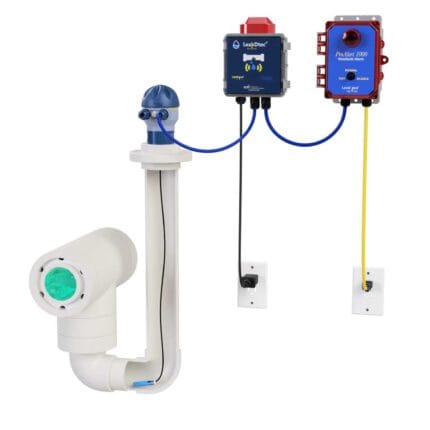
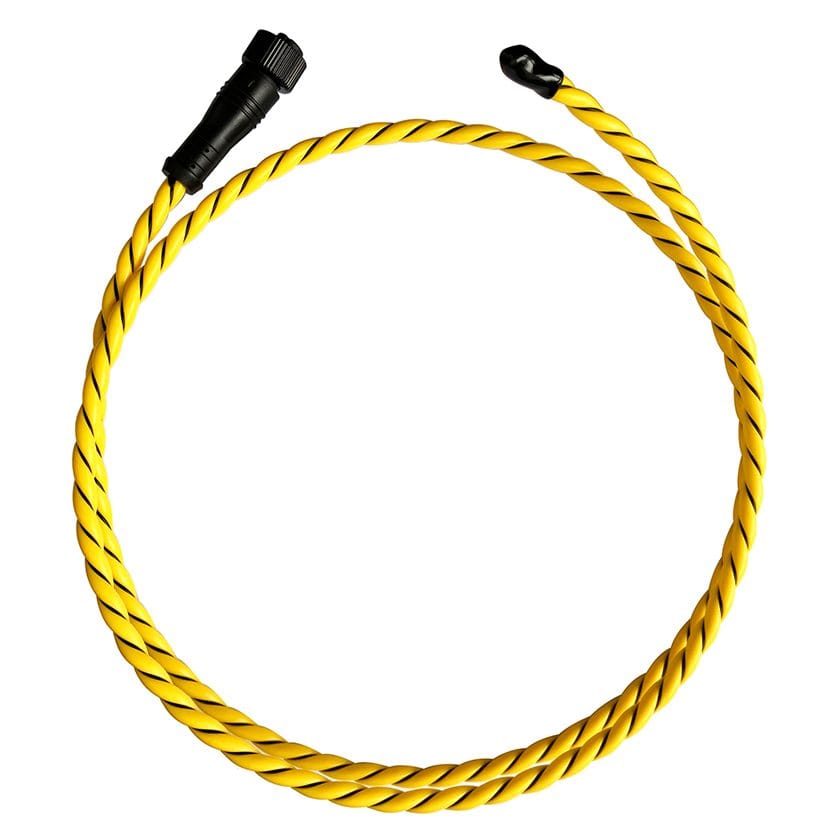
A water leak detection cable assembly is the part that decides whether anyone finds out about a burst pipe before it reaches the switchgear. The sensing element and the detection electronics are specified by your system designer or supplied by others; what this product is, is the cable assembly that carries that sensing element along the run and presents a clean, sealed connection to the monitoring input. It has to route under a raised floor, along a condensate line and into a plant room, and still deliver the resistance signature the controller expects.
What This Assembly Is, and What It Is Not
We build the cable assembly and the interconnect. We do not manufacture the sensing element that reacts to water, and we do not supply the alarm panel. If you already have a sensing cable or a controller, this is the piece that joins them, routes them and keeps the joint sealed and serviceable. That boundary keeps projects honest: you own the detection performance, we own the physical run that makes it dependable.
How a Water Leak Detection Cable Assembly Fits Your Loop
Water conducts, which makes detection straightforward in principle: two conductors separated by insulation are bridged by the liquid, resistance drops, and the controller reads that as a leak. Note that this is the opposite of oil, which is non-conductive and needs a polymer sensing layer instead. Our assembly carries those conductors, the continuity wiring and the connector that brings the sensing element back to the panel without adding drift of its own.
How the Assembly Fits the Sensing Loop
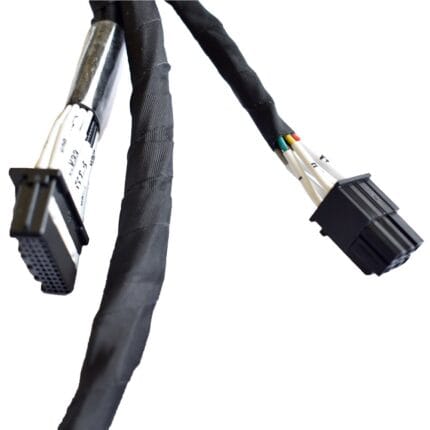
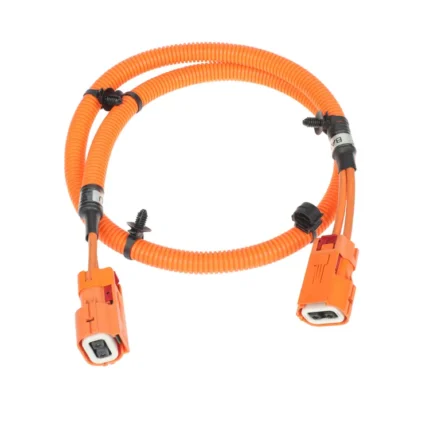
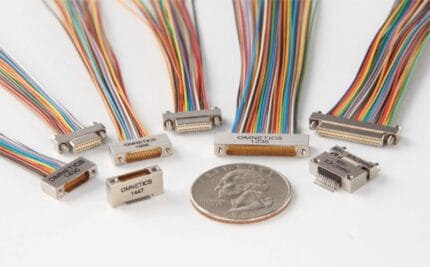
A loop typically runs a leader cable from the controller to the first sensing section, then the sensing sections, then an end termination that closes the circuit so the controller can distinguish a real leak from a cable break. Our scope covers the leader assembly, jumper and connector sections between sensing runs, end-termination leads and the breakout to the panel, each built to the length and connector pair you specify.
Locating Capability
Whether the loop can tell you where the water is depends on the sensing element and controller you choose, not on the interconnect. Simple two-wire systems alarm without locating; resistance-distributed and addressable systems report distance from the panel. Our assembly preserves that capability through consistent conductor resistance, correct continuity wiring and sealed terminations. If you need locating, tell us the resolution and we build to it.
Key Specifications
| Assembly type | Water leak detection cable assembly / sensing loop interconnect |
|---|---|
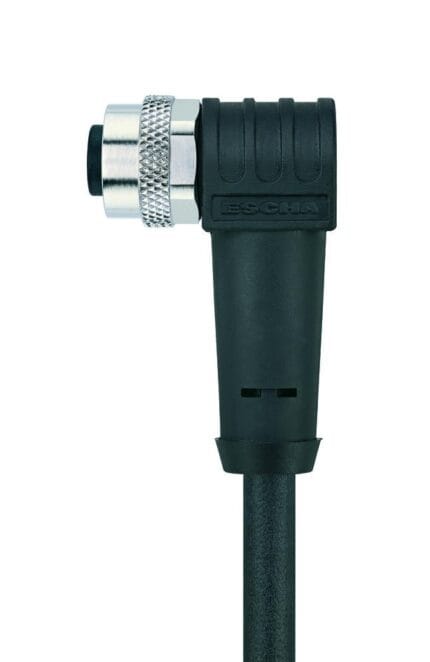
| Connector options | 2-pin, M8 or M12, or flying leads, to your pinout |
| Cable length | 1 m to 20 m standard, cut to your route |
| Jacket material | Specified per build (PVC, HDPE or FEP options) |
| Outside diameter | Per your drawing; 6 mm nominal on the reference build |
| Minimum bend radius | 30 mm (reference design) |
| Connector ingress protection | IP68 (IEC 60529) — reference design level |
| Operating temperature | -20°C to 80°C (reference design) |
Connectors and Sealing
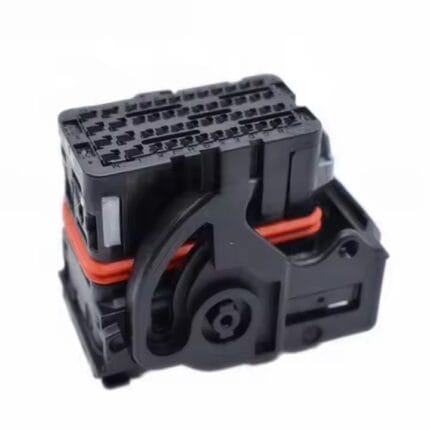
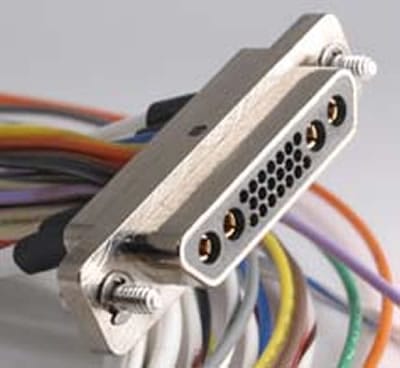
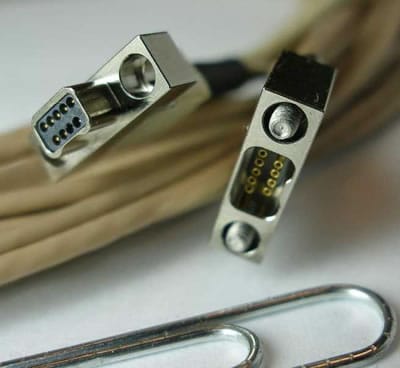
A sensing loop fails at the joint more often than along the cable. A connector that takes on moisture will drift, and drift reads as a leak. We overmold to the connector body you specify and seal the transition, targeting IP68 per the ingress-protection standard published by the IEC 60529. These are reference design figures; confirm the issued rating for your build.
Typical Applications
Raised floors and data halls, where the assembly routes under the floor tiles and along the aisle to catch condensate and chilled-water leaks before they reach power equipment.
Precision air conditioning and HVAC, below condensate drain pans, around humidifier connections and along chilled-water supply runs.
Plant rooms, basements and service voids that sit below the water line and only get inspected occasionally.
Pipe runs, valves and fire sprinkler connections where a slow joint weep is easy to miss for weeks.
Roof voids, window and door reveals and below downspouts, where wind-driven rain and blocked drains show up first.
Laboratories, hospitals and archives protecting imaging equipment, records and clean utility spaces from water ingress.
Lift pits, pump rooms and tank bases that collect water at the lowest point of a building.
Installation and Handling Notes
Do not secure the assembly with bare metal ties or run it against unpainted metal, which can bridge the conductors and cause false alarms; use insulated clips or a dedicated base. Avoid laying it directly in an air-conditioning discharge or on a surface that condenses. Keep it flat and do not overlap runs, since trapped moisture between laps reads as a leak. Clean dust and debris periodically, and test the loop end to end after installation, recording the cable map so an alarm can be located quickly.
Ordering a Water Leak Detection Cable Assembly
Every assembly is built to your drawing or to a sample. We support custom jacket colors, connector configurations, zone numbering and private-label builds. Prototypes run from 1–50 units and production from 500 units. Lengths are cut to your route so you are not coiling surplus under a floor.
Water vs Oil Leak Detection — Know the Difference
The two are not interchangeable, and the reason is physical. Water conducts, so a water sensing element detects by two conductors being bridged by liquid. Oil and fuel are non-conductive, so a hydrocarbon system needs a polymer sensing layer that reacts to fuel directly. If your risk is diesel, gasoline or aviation fuel rather than water, the assembly you want is the oil leak detection cable assembly. For liquid-cooled data hall work around coolant distribution units and rack manifolds, see our liquid leak sensing cable.
Frequently Asked Questions
Do you supply the sensing element and the controller? No. We build the cable assembly and interconnect; you specify or supply the sensing element and detection electronics.
Can the loop locate the leak? That depends on your sensing element and controller. We preserve the resolution they offer through consistent conductors, correct continuity and sealed terminations.
What lengths do you build? Cut to your route, typically 1 m to 20 m, with leader and jumper sections matched to the layout.
How do I avoid false alarms? Keep the run off bare metal and out of condensation paths, do not overlap laps, support connectors so their weight is off the seal, and clean the run periodically.
Related Cable Ranges
More built-to-spec work sits in our Custom Wire Harnesses range, our Signal and Data Cables range for sensing and instrumentation runs, and our Automotive Cable and Wire Harness range for vehicle and plant harnesses.
| Assembly Type | Sensing loop interconnect / cable assembly |
|---|---|
| Compatible With | Water and conductive-fluid sensing elements, Point sensors, Customer-specified controllers |
| Connector Options | 2-pin, M8, M12, Flying leads, To your pinout |
| Cable Length | 1 m to 20 m, Cut to your route |
| Jacket Material | Specified per build, PVC / HDPE / FEP options |
| Outside Diameter | Per your drawing, 6 mm nominal reference |
| Min Bend Radius | 30 mm (reference design) |
| Connector Ingress | IP68 (IEC 60529) – reference design |
| Operating Temperature | -20C to 80C (reference design) |