Oil Leak Detection Cable Assembly for Fuel Systems
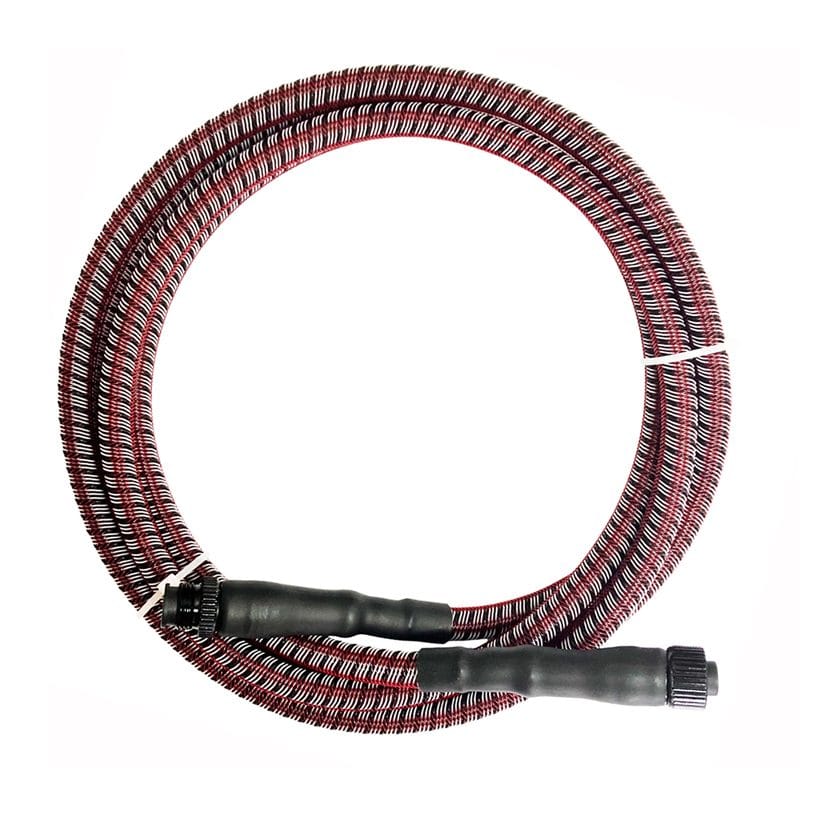
An oil leak detection cable assembly carries and protects the sensing element that watches your fuel lines, tanks and generator rooms. Built to your route and pinout, with sealed connectors and cut-to-length runs.
Overview
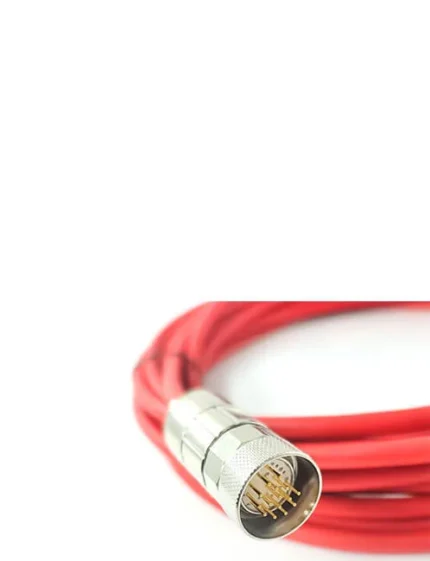
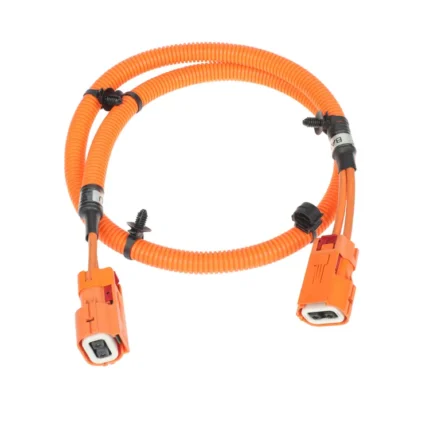
An oil leak detection cable assembly is rarely the part anyone thinks about until a tank farm or a generator room has already flooded. The hydrocarbon sensing element and the detection electronics are specified by your system designer or supplied by others; what this product is, is the cable assembly that carries that sensing element along your run and presents a clean, sealed connection to the monitoring input. It has to survive the route along a pipe, under a tank and past quick connects, and still deliver the right electrical signature the controller expects.
What This Assembly Is, and What It Is Not
We build the cable assembly and the interconnect. We do not manufacture the sensing chemistry that reacts to fuel, and we do not supply the alarm panel. If you already have a sensing element or a controller, this is the piece that joins them, routes them where they need to go, and keeps the joint sealed and serviceable. Being explicit about that boundary is the fastest way to get a working loop: you own the detection performance, we own the physical run that makes it reliable.
How an Oil Leak Detection Cable Assembly Fits Your Loop
It helps to know what the assembly is connecting. Water leak detection is easy because water conducts: two conductors separated by insulation are bridged by the liquid, resistance drops, and the controller sees a short. Oil, diesel and fuel are non-conductive, so that trick does not work. Hydrocarbon systems instead use a polymer sensing layer that reacts physically when it contacts fuel, changing its impedance or triggering a sensor switch. Our assembly carries the conductors, the continuity wiring and the connector that brings that sensing element back to the panel.
How the Assembly Fits the Sensing Loop
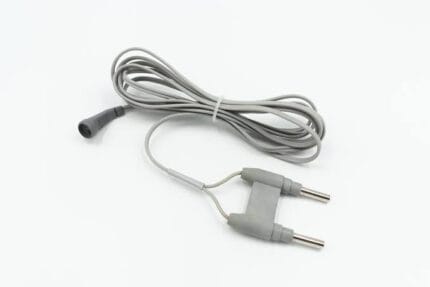
A typical loop runs a leader cable from the controller to the first sensing section, then the sensing sections themselves, then an end termination that closes the circuit so the controller can tell a real alarm from a broken cable. Our scope covers the leader assembly, the jumper and connector sections between sensing runs, the end-termination leads and the breakout to the panel. Each is built to the length you specify, with the connector pair your equipment uses.
Locating Capability
Whether a loop can tell you where the leak is depends on the sensing element and the controller you specify, not on the interconnect. Two-wire systems alarm but do not locate; addressable and resistance-distributed systems report distance from the panel. What our assembly has to do is preserve that: consistent conductor resistance, correct continuity wiring and a sealed termination, so whatever resolution your system offers is not degraded by the cabling. If locating matters, tell us the resolution you need and we build to it.
Key Specifications
| Assembly type | Oil leak detection cable assembly / sensing loop interconnect |
|---|---|
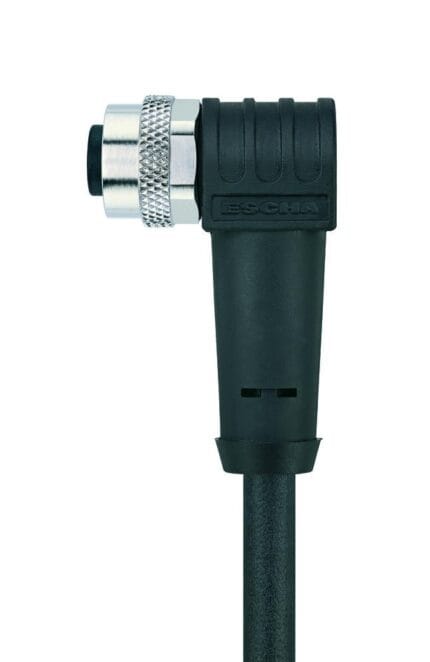
| Connector options | 2-pin, M8 or M12, or flying leads, to your pinout |
| Cable length | 1 m to 20 m standard, cut to your route |
| Jacket material | Specified per build (HDPE, PVC or FEP options) |
| Outside diameter | Per your drawing; 10 mm nominal on the reference build |
| Minimum bend radius | 50 mm (reference design) |
| Maximum tensile | 40 kg with connector (reference design) |
| Connector ingress protection | IP68 (IEC 60529) — reference design level |
| Operating temperature | -30°C to 100°C (reference design) |
Connectors and Sealing
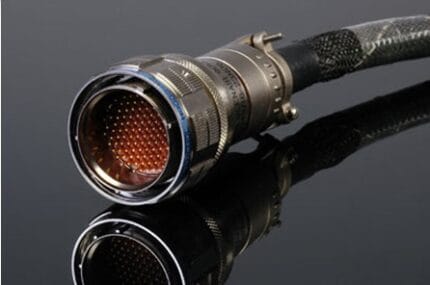
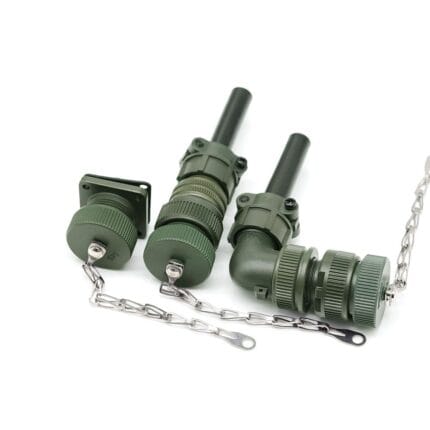
The joint is where leak loops fail. A connector that wicks fuel or takes on water will drift, and drift looks exactly like a leak to the controller. We overmold to the connector body you specify and seal the transition, targeting IP68 per the ingress-protection standard published by the IEC 60529. Ratings quoted here are reference design figures; confirm the issued rating for your build.
Typical Applications
Fuel storage tanks and day tanks at refineries, terminals, fleet depots and backup-power sites, where the run has to reach a bund or a base seam and stay serviceable.
Diesel generator and engine rooms, where a crankcase or fuel-line seep behind the skid is invisible during a walkthrough but still lands on electrical equipment below.
Pump skids, transfer stations and bunded areas that need coverage along the whole pipe run rather than at one point.
Data centers, telecom exchanges and switchgear rooms that keep on-site generator fuel and need the sensing loop routed alongside it.
Aircraft hangars, maintenance bays and aviation fuel handling, where jet-fuel and avgas drips must be caught before they reach drains.
Marine, offshore and remote backup-power installations with stored diesel that run unattended between inspections.
Industrial plants, laboratories and warehouses storing oils, lubricants or solvents, with runs under racking and along sumps.
Installation and Handling Notes
Route the assembly along the low points where liquid collects. Avoid sharp bends, pinching or pulling it taut against a fitting, and keep it clear of bare metal and high-voltage runs to avoid noise on the sensing circuit. Use insulated clips at regular intervals and at every change of direction, and support the connector bodies so their weight does not hang off the seal. After installation, test the loop end to end and record the cable map so a future alarm can be found quickly.
Hazardous Areas
An assembly on its own does not carry a hazardous-area rating. Whether a loop may be installed in a classified area depends on the sensing element you specify, the intrinsic-safety barrier and the controller, and that has to be assessed for your site and jurisdiction. Tell us the zone and the barrier arrangement and we will build the assembly to suit, but the rating itself comes from the certified components in your system, not from the cable.
Ordering an Oil Leak Detection Cable Assembly
Every assembly is built to your drawing or to a sample you send. We support custom jacket colors, connector configurations, zone numbering and private-label builds. Prototypes run from 1–50 units and production from 500 units. Lengths are cut to your route rather than sold in fixed steps, so you are not coiling up surplus under a tank.
Oil vs Water Leak Detection — Know the Difference
The two are not interchangeable, and the reason is physical. Water conducts, so a water sensing element detects by two conductors being bridged by the liquid. Oil and fuel are non-conductive, so a hydrocarbon system needs a polymer sensing layer that reacts to fuel directly. If your risk is condensate, cooling water or a sump overflow rather than fuel, the assembly you want is the water version; see our water leak detection cable assembly. For liquid-cooled data hall work around coolant distribution units and rack manifolds, see our liquid leak sensing cable.
Frequently Asked Questions
Do you supply the sensing element and the controller? No. We build the cable assembly and interconnect. You specify or supply the sensing element and the detection electronics, and we make the physical run that connects them.
Can the loop locate the leak? That depends on the sensing element and controller you choose. Our job is to preserve the resolution they offer through consistent conductors, correct continuity and sealed terminations.
What lengths do you build? Cut to your route, typically 1 m to 20 m, with jumper and leader sections made to match.
Can it be used in a hazardous area? The rating comes from your certified sensing element, barrier and controller. Tell us the zone and we build the assembly to suit.
Related Cable Ranges
More built-to-spec work sits in our Custom Wire Harnesses range, our Signal and Data Cables range for sensing and instrumentation runs, and our Automotive Cable and Wire Harness range for vehicle and plant harnesses.
| Cable Length | 1 m to 20 m, Cut to your route |
|---|---|
| Operating Temperature | -30C to 100C (reference design) |
| Min Bend Radius | 50 mm (reference design) |
| Max Tensile | 40 kg with connector (reference design) |
| Assembly Type | Sensing loop interconnect / cable assembly |
| Compatible With | Hydrocarbon and oil sensing elements, Point sensors, Customer-specified controllers |
| Connector Options | 2-pin, M8, M12, Flying leads, To your pinout |
| Jacket Material | Specified per build, HDPE / PVC / FEP options |
| Outside Diameter | Per your drawing, 10 mm nominal reference |
| Connector Ingress | IP68 (IEC 60529) – reference design |