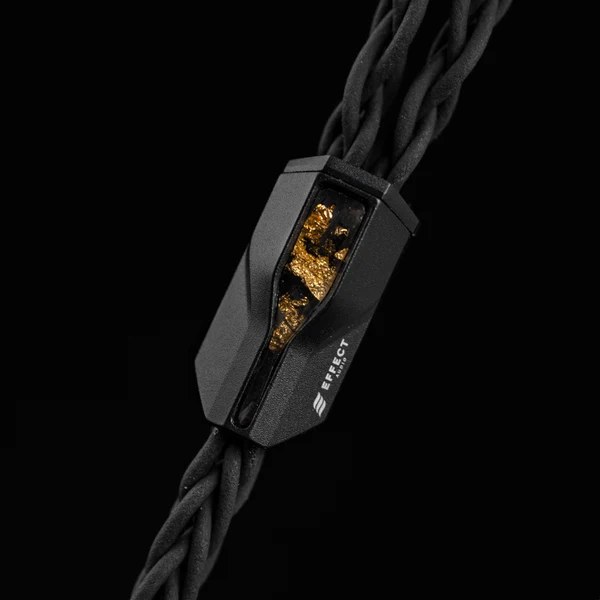
Balanced IEM Cable with Detachable Two-Pin and MMCX
A balanced IEM cable is usually bought for one of two reasons: the player has a balanced output and the owner wants to use it, or the original lead has failed at the plug and needs replacing. Both are common enough that this is a steady replacement item rather than a one-off purchase. The assembly runs a separate return for each channel end to end, which is what a balanced output needs, and it terminates in whatever the earphones and the source actually take.
Balanced outputs, briefly
A single ended lead shares one return conductor between both channels. A balanced output drives each channel with its own pair, which needs four conductors plus the ground rather than three. The practical result is more output into a given load and no shared return path between the channels. It only works if both ends are balanced: the player has to present a balanced socket and the cable has to be wired for it. Plugging a balanced cable into a single ended output is the usual cause of a channel that sounds thin or phasey.
Connector options
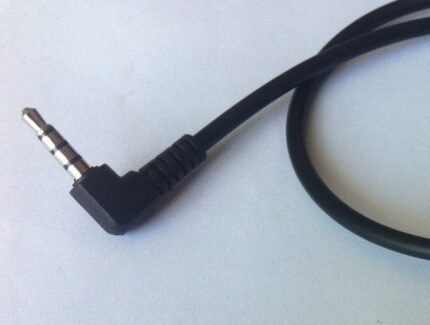
- Source end: 4.4 mm pentaconn, 2.5 mm or 3.5 mm plug
- Earphone end: recessed two-pin, MMCX or QDC, matching what the shell accepts
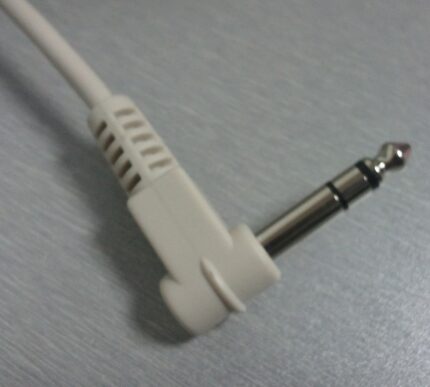
- Straight or angled source plug, depending on how the player is carried
- Gold plated contacts on the detachable connectors
Comfort and behaviour on stage
A lead that crackles when it rubs against a shirt collar is unusable for monitoring, whatever its construction. The jacket here is a soft, low memory compound that drapes rather than springing back, and there is a shaped memory wire section at the ear hook so the cable holds its position behind the ear without a heat gun. For performers the lead is also a consumable: it gets replaced, so we keep the range in stock rather than building to order only.
Strand counts and what they change
These cables are sold in several strand configurations, and the difference is real but often oversold. More strands in parallel lower the resistance of each leg and change how the lead drapes, but the audible difference from a given strand count is small next to the fit of the ear tips. Copper grade and plating are quoted heavily in this market and are difficult for a buyer to verify; ask for the material statement rather than the marketing number.
Fitment and what needs confirming
Two-pin connectors come in more than one pin spacing and with a recessed or flush socket, and the wrong one will not seat. Check the shell before ordering, or send us the model and we will match it. Copper purity, strand counts and plating claims for this range come from competitor listings and need a supplier material statement before we publish them as our own.
Related Cable Ranges
Signal and Data Cables • Panel Mount Cable • Ethernet Cable Patch Cord
| Source connector | 4.4 mm pentaconn, 2.5 mm or 3.5 mm plug |
|---|---|
| Earphone connector | Recessed two-pin, MMCX or QDC |
| Wiring | Balanced, separate return per channel |
| Nominal length | 1.2 m |
| Strand options | 8 / 16 / 24 strand builds (pending confirmation) |
| Jacket | Soft, low memory compound |
| Ear hook | Shaped memory wire section |
| Contact finish | Gold plated, pending supplier confirmation |