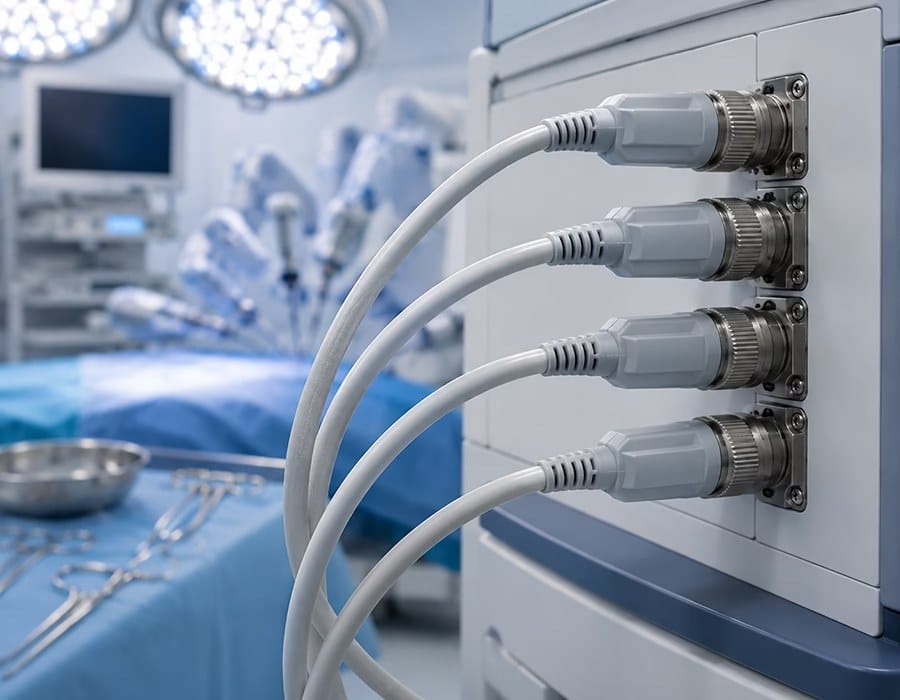
Surgical Robot Cable Harness with Overmolded Strain Relief and Sealed Joints
A surgical robot cable harness with overmolded strain relief and sealed joints, built to drawing for joint arms, handpieces and camera umbilicals. Materials are selected against the sterilization method you state. We make the cable assembly, not the finished device.
Last updated: 13 September 2026
Overview
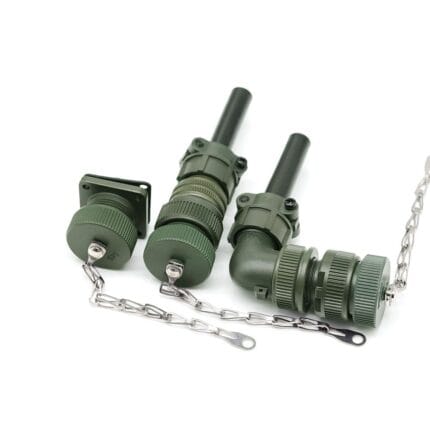
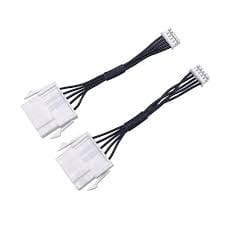
A surgical robot arm packs motor power, encoder feedback, instrument power and video into a joint that moves thousands of times a day, and then the whole assembly is expected to survive repeated reprocessing. A surgical robot cable harness for that duty is designed around the reprocessing method and the moving section before anything else is decided. We build joint looms, electrosurgical leads, camera umbilicals, handpiece cables and monitor lead sets to your drawing, and we manufacture the cable and connector assembly only. We do not manufacture a finished medical device.
Key Specifications
| Build Type | Build to drawing or build to sample |
|---|---|
| Conductor Range | Fine signal gauges up to 12 AWG power cores |
| Jacket Materials | TPU, silicone, or a material nominated on the drawing |
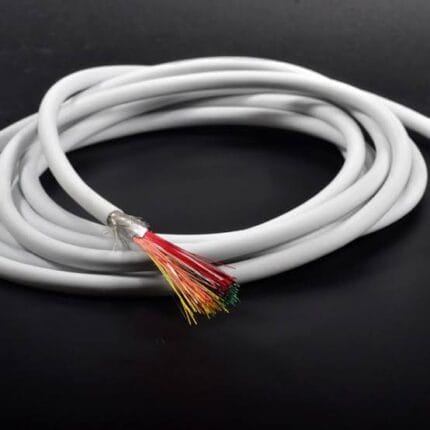
| Screening | Foil plus braid with drain, full coverage termination |
| Sealing | Overmolded strain relief and sealed joints |
| Workmanship | IPC/WHMA-A-620 criteria, class per drawing |
| Traceability | Serial number with build record and test results |
| Testing | Continuity, dielectric withstand, shield continuity, pull test |
These assemblies are not failed by electricity. They are failed by repetition, and the duty cycle has four separate parts:
| Stress | What it does to the assembly | How the build answers it |
|---|---|---|
| Repeated sterilization cycles | Jacket and overmold materials age, harden and crack | Material selected against your stated method and cycle count, not against a generic figure |
| Continuous joint articulation | Conductors work-harden at the same bend point | Fine-strand conductor, bend radius stated on the drawing, strain relief at every exit |
| Cleaning fluids and bodily fluids | Sealed joints leak once the material degrades | Overmolded strain relief and sealed joints at every housing exit |
| Electrosurgical generator nearby | Noise couples into encoder and video circuits | Foil plus braid with a drain, full circumferential coverage at the connector |
| Handling between cases | The assembly gets pulled by the connector, not by the cable | Load path carried by the overmold rather than by the crimp |
Materials chosen against your sterilization method
The sterilization method decides the material and there is no universal answer. Steam, low temperature hydrogen peroxide and chemical immersion age different compounds in different ways, and the number of cycles the device is rated for belongs to your design rather than to ours. Tell us the method and the cycle target on your drawing and we will select jacket and overmold materials against it, instead of quoting a cycle count we have not tested. The same goes for the cleaning agents used between cases. In robotic surgery programs the reprocessing protocol is normally fixed long before the cable is chosen, which is the right order: the cable has to fit the protocol, not the other way round.
The moving section
The moving section is where these assemblies actually die, and the fix is almost always mechanical rather than electrical. We build to the bend radius and cycle target on your drawing, keep the articulation point supported so the cable bends where it is meant to bend, and terminate with an overmold that carries the load path instead of leaving it on the crimp. Where a joint moves on more than one axis we route so the cable twists rather than bending in two planes at once, and we note that on the drawing so it is built the same way every time.
Sealing at the housing exit
Sealing where a cable leaves a housing is a separate function from strain relief, and it is worth treating the two that way. We overmold so the seal and the bend relief are two features of one part, and we confirm the sealing level by test on the finished assembly rather than copying a figure from a cable data sheet. Tell us what the joint has to survive and we will propose a test method for your review.
What we make, and what we do not
We manufacture cable and connector assemblies. We do not manufacture finished medical devices, and we do not hold a medical device quality system certification. Biocompatibility, sterilization validation, electrical safety, and any regulatory clearance or approval for the finished instrument are the responsibility of the device manufacturer, because they depend on the complete device, its intended use and its labeling. What we provide is the part we can stand behind: the construction, the material traceability, the workmanship standard and the test results on the assembly we built, documented against a serial number so your device file has something concrete to reference.
Documentation
Each harness carries a serial number with a build record covering materials, terminations and test results. Material declarations from our suppliers are passed through with the lot; we do not originate them, and we do not make declarations on behalf of a supplier beyond what that supplier has told us in writing.
Typical applications for this surgical robot cable harness
- Robot arm joint looms for motor power and encoder feedback
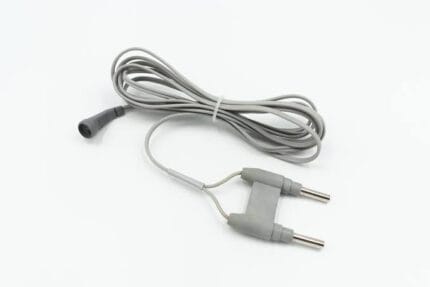
- Monopolar and bipolar electrosurgical leads
- Endoscope camera umbilicals
- Phaco and orthopaedic handpiece cables
- Patient monitor lead sets
Testing
- Continuity and polarity on every circuit
- Dielectric withstand test at the voltage stated on the drawing
- Shield continuity and coverage inspection at each termination
- Pull test on terminations and overmold retention on sampled units
Workmanship and ordering
Cable assemblies here are built to IPC/WHMA-A-620 Class 3 workmanship inside an ISO 9001 system, across a 32 to 12 AWG range. Continuity and pinout are verified on every unit before packing. Seal checking on the batch can be quoted when an ingress rating is specified.
A prototype lot of 5 pcs ships in 3 working days; series orders start at 500 pcs and ship 14 working days after sample approval. We hold 100 sets of mold tooling in house, so a standard body needs no tooling time and a new one adds about 10 working days. OEM and ODM builds go out under your part number and label, with material certificates and first-article reports on request.
Frequently Asked Questions
Do you hold a medical device quality system certification?
No. We manufacture cable and connector assemblies under an ISO 9001 quality management system and build to the workmanship criteria on your drawing. Regulatory compliance for the finished device is the device manufacturer’s responsibility.
Can you validate the sterilization cycle?
No. We select materials against the method and cycle target you state and build to it. Validation of the finished device belongs to your regulatory process.
How many sterilization cycles will the cable survive?
Whatever your method and target require, verified by test on the finished assembly rather than quoted from a data sheet. Give us the method and the number on the drawing.
What is the prototype quantity?
A prototype lot can be as small as 5 pcs and leaves in 3 working days. Series production starts at 500 pcs, shipping 14 working days after the sample is signed off.
Related assemblies
- Surgical Handpiece Cable with Silicone Jacket
- Ultrasound Probe Cable Assembly, Multi-Coax Build
- Patient Monitor ECG Lead Set, 5-Lead AHA
- Wafer Handling Robot Harness for EFEM and Vacuum Transfer Modules
- Custom Industrial Robot Wire Harness
- 38999 High Speed Harness with Overmolded Strain Relief for 10GbE Links
Full range: Custom Wire Harnesses.
| Build Type | Build to drawing or build to sample |
|---|---|
| Conductor Range | Fine signal gauges up to 12 AWG power cores |
| Jacket Materials | TPU, silicone, or a material nominated on the drawing |
| Screening | Foil plus braid with drain, full coverage termination |
| Sealing | Overmolded strain relief and sealed joints |
| Workmanship | IPC/WHMA-A-620 criteria, class per drawing |
| Traceability | Serial number with build record and test results |
| Testing | Continuity, dielectric withstand, shield continuity, pull test |